Call the Midwife Star Teases Sister Julienne's Uncertain Future Amid NHS Changes
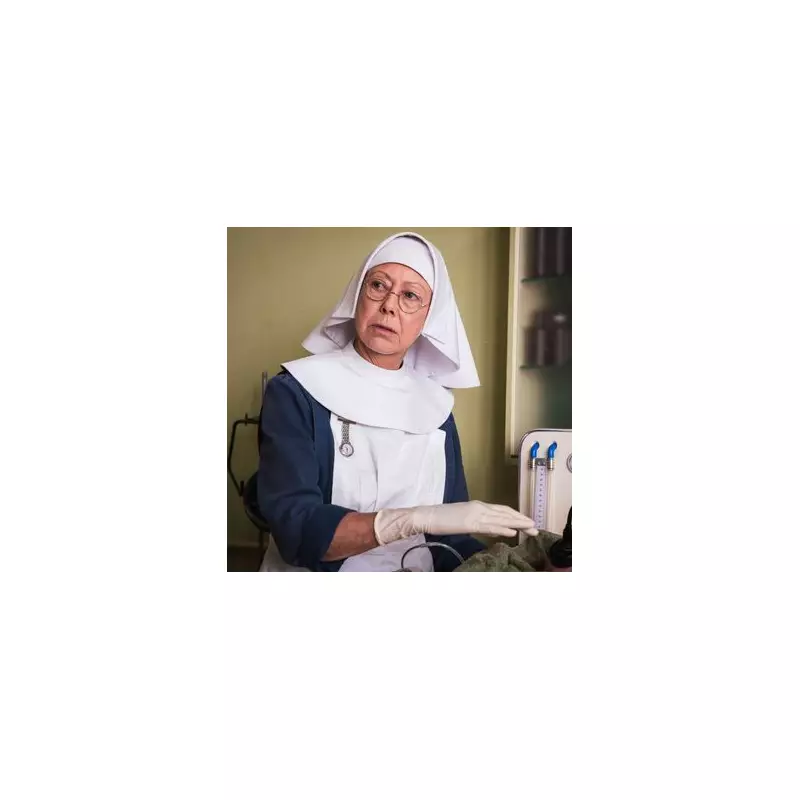
Jenny Agutter, who portrays the beloved Sister Julienne in the long-running BBC period drama Call the Midwife, has offered intriguing insights into her character's forthcoming challenges as the show returns for its fifteenth series. The actress appeared on BBC's Morning Live to discuss the profound shifts facing Nonnatus House and its dedicated nursing nuns.
A Period of Profound Social and Medical Transformation
The new series, set in 1971, arrives at a pivotal moment in British social history. The narrative captures the burgeoning Women's Liberation Movement, with several characters embracing its ideals. Simultaneously, the medical landscape is undergoing seismic changes that directly threaten the traditional role of Nonnatus House within the Poplar community.
Showrunner Heidi Thomas has confirmed that a major storyline involves the impending complete reorganisation of the National Health Service. "More and more babies are being born in hospital," Thomas noted, highlighting the central tension. This institutional shift forces Sister Julienne and her colleagues to confront whether their community-focused mission remains viable.

Sister Julienne's Personal and Professional Conundrum
For Sister Julienne, the changes manifest in deeply personal ways. Agutter, 73, explained that local council demands, including a request for the nuns to abandon their traditional habits in favour of standard uniforms, symbolise a much larger conflict. "It's actually a bigger question," Agutter stated. "Sister Julienne sees the nuns as being missionaries in the East End, serving a community. And she, as a nun, is very much aware of the fact that the first service they have is to God, a higher order than the council."
The habit, she elaborated, is not merely about identification but represents their sacred vocation and role within the community. The potential closure of Nonnatus House presents an existential crisis, as Agutter described it: "It's a conundrum because if Nonnatus House goes, then a lot of the services that are a part of it go too."
Medical Advancements and Social Issues Take Centre Stage
The series continues its tradition of tackling hard-hitting medical and social topics. Agutter revealed that viewers will witness groundbreaking developments, including the first use of ultrasound and the introduction of epidurals, marking a stark contrast from earlier seasons' reliance on gas and air. A storyline involving an extreme premature birth will test the team's capabilities.
Social issues remain at the forefront, with plots addressing male breast cancer and the shocking discovery of modern slavery within a seemingly gentle family. "There's a mass of different stories," Agutter confirmed, emphasising the show's commitment to reflecting the complexities of the era.
Finding Strength in Faith and Purpose
Despite the overwhelming challenges, Agutter hinted at a journey of resilience for her character. "She's very sort of, there's lots of hard decisions," the actress said, referencing the loss of autonomy facing Nonnatus House. However, Sister Julienne discovers "a huge strength in her faith and just the realisation that they have a place. It just seems to be a changing place."
Thomas echoed this sentiment of enduring purpose, suggesting that adversity brings out the best in the characters: "This brings out the best in them, fuelling not just our drama but their own sense of mission, purpose and vocation. I believe that in many ways, this year sees their finest hour."
Call the Midwife continues its broadcast on Sundays at 8pm on BBC One and is available for streaming on BBC iPlayer.