Saturday Night Live's UK Spin-Off Confronts Legacy of Misogyny Ahead of Launch
As the longest-running sketch show in America, Saturday Night Live has captivated a global audience since its debut in 1975. Now, the iconic series is set to cross the Atlantic with SNL: UK, reportedly launching on Sky in March. This adaptation promises to bring British humour to the format, but it also raises pressing questions about whether the show's problematic history with misogynistic content will follow suit.
Recent Scandals Highlight Ongoing Issues
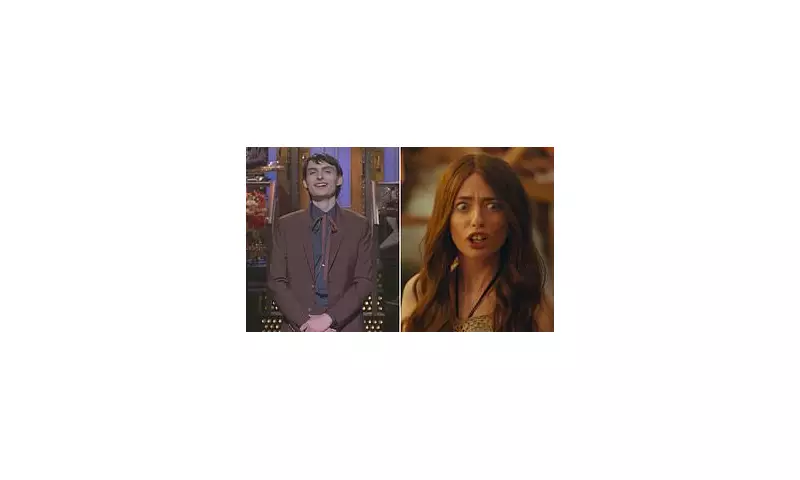
Last week, SNL viewers expressed outrage after Finn Wolfhard, star of Stranger Things, made a vulgar joke during his opening monologue. Reflecting on growing up on camera, he stated: 'My voice changed on camera, my first kiss was on camera, and I can't actually believe I'm admitting this, but the first time I learned what a woman looks like down there - was on camera as well.' The broadcast then cut to a clip of a young Wolfhard staring in shock at the Demogorgon, a monster from the sci-fi series, drawing a crude comparison that many labelled as sexist and lazy.
This incident is far from isolated. Over its 50-year history, SNL has faced repeated criticism for targeting women in its humour. Statistics reveal that men have hosted nearly 70 percent of episodes, underscoring a gender imbalance that has persisted for decades.

Past Controversies and Apologies
In 2024, the show was forced to apologise to British actress Aimee Lou Wood after she criticised a 'mean' sketch that mocked her teeth. In a parody titled The White Potus, comedian Sarah Sherman wore exaggerated prosthetic teeth while imitating Wood's character from The White Lotus. Wood responded by calling out the 'cheap' joke, urging for more nuanced humour, and shared fan support that described the skit as descending into '1970's misogyny.'
Other high-profile cases include:
- Scarlett Johansson was visibly shocked when her husband, Colin Jost, made a vulgar joke about her during the 2024 Christmas special, though she later admitted finding it funny despite its crudeness.
- Jennifer Aniston declined a cast role in the 1990s, citing the show as a 'boys club' and expressing concerns over how women were treated, harkening back to the era of Gilda Radner for a more inclusive environment.
- Carol Burnett questioned if show creator Lorne Michaels avoided inviting her due to misogyny, though Michaels has defended the show's diversity efforts, stating it seeks the best talent annually.
Historical Context and Evolution
Original cast member Jane Curtin, who was famously called an 'ignorant slut' in a 1979 skit with Dan Aykroyd, reflected that such sexism was pervasive at the time, noting it mirrored broader societal attitudes before the Equal Rights Amendment. Similarly, Julia Louis-Dreyfus described her early SNL experience in the 1980s as a 'very sexist environment,' though she observed improvements upon returning to host in later years.
Despite these claims of progress, the upcoming SNL: UK launch faces scrutiny. With the cast and hosts yet to be announced, there is intense speculation on whether the British version can avoid similar accusations and adapt the humour responsibly for a new audience.
As SNL expands its brand internationally, the challenge lies in balancing comedic tradition with modern sensibilities, ensuring that the show's legacy does not overshadow its potential for innovation in the UK market.