The Godfather vs Goodfellas: A First-Time Viewer's Definitive Verdict
Gangster cinema has captivated audiences for generations, offering a compelling window into worlds of power, danger, and moral complexity. This enduring genre combines dramatic tension with multifaceted anti-heroes, creating stories that resonate deeply with viewers. The appeal originated during the Great Depression, when tales of defying the establishment and pursuing rapid wealth captured public imagination—a fascination that persists to this day.
As someone who typically prefers crime thrillers and whodunnits that invite audience participation, I approached the gangster genre with measured interest. However, with a background in film and television studies, I must confess an embarrassing gap in my cinematic education: I had never watched the two most celebrated gangster classics, The Godfather (1972) and Goodfellas (1990). Determined to settle the long-standing debate about which film reigns supreme, I dedicated six hours to experiencing both masterpieces back-to-back.
Examining the Core Narratives
The Godfather, adapted from Mario Puzo's acclaimed novel, follows the transformation of Michael Corleone, the youngest son of powerful New York crime patriarch Don Vito Corleone. Vito operates according to a strict moral code: he rewards loyalty with generosity but demonstrates ruthless brutality toward enemies. When a rival seeks his support to expand narcotics operations, Vito's refusal triggers a violent turf war among the city's Mafia families.

As traditional values clash with ruthless new ambitions, and Vito becomes the target of an assassination attempt, Michael finds himself drawn into the criminal underworld he had tried to escape. Compelled to protect his family, he descends into a spiral of violence, betrayal, and organized crime that ultimately transforms him from a reluctant outsider into the central figure of the Corleone criminal empire.
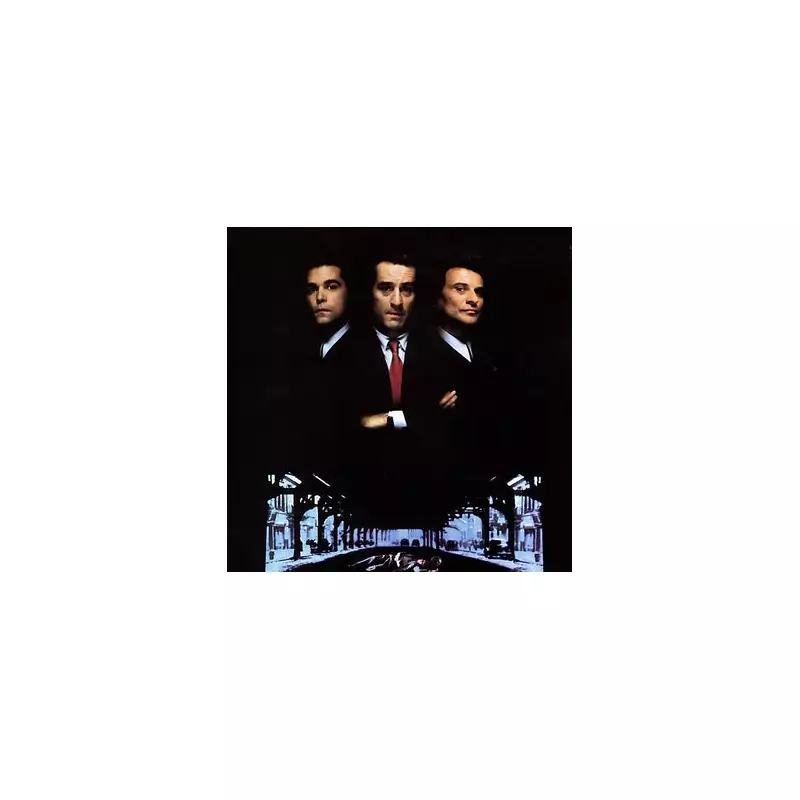
Goodfellas, based on actual events, chronicles the rise and fall of anti-hero Henry Hill, who narrates his journey through New York's organized crime landscape. Beginning as an impoverished Irish-Italian youth in 1950s Brooklyn, Henry becomes fascinated by the allure and power of the criminal underworld. He builds a life of wealth, status, and violence alongside his volatile associates Jimmy Conway and Tommy DeVito.
While loyalty and determination fuel his ascent, treachery, paranoia, and indulgence ultimately lead to his downfall. The film concludes with Henry in exile under FBI witness protection, having betrayed the very world that once defined him.
The Superior Opening Sequence
There's something profoundly captivating about the opening trumpet notes in The Godfather. Those simple, isolated tones establish a sorrowful, haunting atmosphere immediately. The abrupt, tight shot of Amerigo Bonasera perfectly sets the film's tone as he declares, "I believe in America."
The cinematography establishes its brilliance from this first scene, employing deep, low-angled lighting that casts dramatic shadows across the room and over characters' faces. The gradual fade-out before we finally see Vito's face demonstrates his commanding authority with masterful subtlety. Amerigo's heartbreaking story about his daughter and his plea for vengeance, combined with Vito's measured response, reveals the immense influence of the Corleone dynasty in a scene that is both surprising and completely gripping.
That said, Goodfellas offers an equally compelling opening that delivers immediate entertainment value. Viewers are introduced through dim lighting and instant suspense as Henry, Jimmy, and Tommy sit quietly in a car, appearing weary and anxious. When they hear a sudden thud, they initially suspect a flat tire, but the camera shifts to reveal the trunk's grisly contents.
The moment they open it while brandishing weapons, they discover a bloodied man begging for mercy—whom Tommy then savagely stabs to death with a lengthy blade. All this occurs within the film's first two minutes, establishing the chaos and brutality of gangster life with shocking efficiency.

For me, The Godfather claims victory in this category because of how legendary its opening scene has become; it doesn't need dramatic action to convey the overwhelming authority present in that space. However, if you prefer rapid-fire storytelling that hooks you with immediate shock value, Goodfellas undoubtedly delivers the more arresting beginning.
The Superior Character Journey
An unexpected aspect of The Godfather is its substantial focus on Michael's gradual descent into the family enterprise. Beginning as a principled war veteran who wanted no involvement with his family's criminal operations, Michael contrasts sharply with his hot-headed brother Sonny through his composed, methodical nature.
Following his father's shooting, Michael pledges himself to the Mafia by eliminating Virgil Sollozzo and escapes to Sicily, where he marries Apollonia Vitelli. While abroad, Sonny is slain after being betrayed by his brother-in-law, and Apollonia is subsequently killed in a car explosion intended for Michael. These tragedies complete Michael's metamorphosis into a ruthless, retributive Mafia boss.
Among the film's finest sequences is Michael's baptism scene, which serves as both literal ceremony and metaphorical transformation as he rejects Satan while simultaneously coordinating a sweeping elimination of the Five Families' leaders and other adversaries. Michael's development proves genuinely extraordinary—his trajectory is devastating yet completely captivating and psychologically warranted.
Sometimes, however, simplicity proves superior. Consider Henry Hill in Goodfellas, who stands as one of cinema's most fascinatingly despicable characters. The film's opening presents an enterprising young man escaping an abusive household, drawn to the Lucchese crime syndicate under Paulie Cicero. His devotion earns confidence among volatile figures like Jimmy Conway and Tommy DeVito, yet he remains initially more sympathetic than his associates.
A standout moment involves witnessing Tommy's explosive fury as he murders the young worker Spider for showing disrespect, contrasted against Henry's appalled expression despite having embraced this criminal lifestyle. Gradually, Henry transforms into these brutal individuals, developing savage tendencies and becoming consumed by avarice. He grows increasingly unhinged following imprisonment, pursuing cocaine trafficking despite organized crime regulations.
Becoming a liability, he's targeted for elimination and eventually violates fundamental Mafia principles by cooperating with authorities and entering witness protection. Despite surviving, Henry ungratefully declares that "the hardest thing is leaving the life," and that he must "wait around like everyone else" and endure "the average life of a nobody." To speak plainly, Henry is an insufferable, selfish pleasure-seeker—but he certainly creates brilliant entertainment.
The Ultimate Viewing Experience Verdict
The Godfather and Goodfellas remain legendary in distinctly different manners, and I completely understand why both earn recognition as cinematic triumphs. If you prefer a more credible, authentic portrayal of organized crime's gritty reality, Goodfellas represents your definitive choice.
While both films exceed two hours in runtime, Goodfellas rapid sequences and frenzied atmosphere make it feel less drawn-out than The Godfather, which moves with deliberate, measured pacing. The cinematography in Goodfellas doesn't quite match The Godfather's visual mastery, but its colour grading, camera movements, and editing techniques are brilliant—from those iconic tracking shots to news-style pans and inventive dolly zooms. Narration isn't always effective, but here it works perfectly, managing to be every bit as darkly comic as it is genuinely sinister.
The Godfather is simply a masterpiece of cinema. Regardless of its authenticity—reportedly influenced by Joe Colombo, an alleged head of a New York crime family according to some sources—the film brilliantly examines the consequences of family loyalties, generational curses, and capitalism's corrupting influence.
For my assessment, The Godfather stands as the superior piece of filmmaking, boasting a more epic storyline and richer character development. However, if forced to choose just one film to revisit for pure entertainment value, Goodfellas would narrowly claim victory. Both deserve their legendary status, but they achieve greatness through fundamentally different approaches to the gangster genre.