The Rise of Verbatim Cinema: How Real Dialogue is Transforming Modern Film
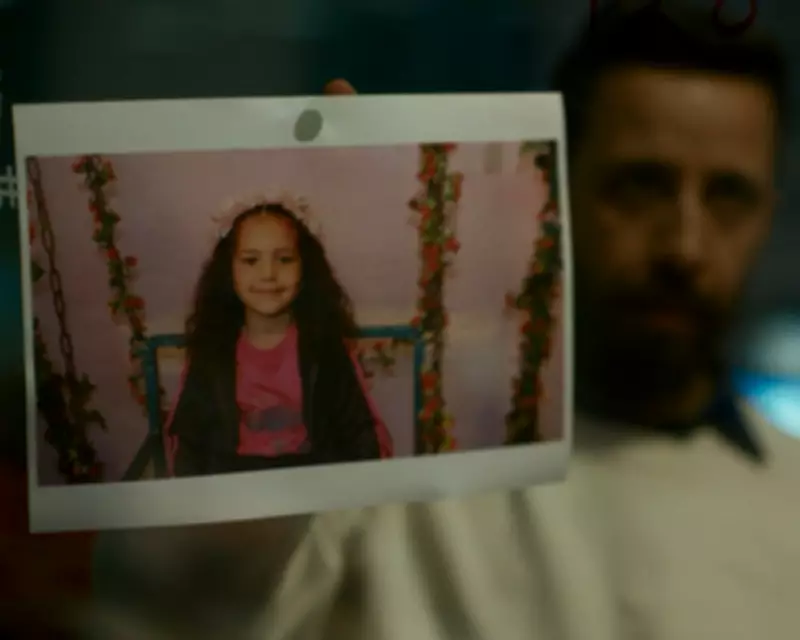
In a striking moment from The Voice of Hind Rajab, Motaz Malhees holds up a picture of the six-year-old Gazan girl whose tragic story forms the film's heartbreaking core. This powerful image encapsulates a growing movement in contemporary cinema where filmmakers are turning to real-life transcripts and recordings to create compelling drama.
From Hitchcock's Script to Real-Life Dialogue
Legendary director Alfred Hitchcock famously declared that just three ingredients were essential for great filmmaking: "The script, the script and the script." Today, an increasing number of directors are discovering that the most powerful scripts might already exist in the form of real conversations, emergency calls, and historical transcripts.
The traditional title card declaration "inspired by true events" is being taken to a wholly literal new level as filmmakers create what's becoming known as "verbatim cinema" - productions that use exact dialogue from real situations with minimal alteration.

Current Verbatim Productions in UK Cinemas
Within the space of a single month, two significant verbatim films have arrived in UK cinemas, demonstrating the trend's growing momentum. Ira Sachs' Peter Hujar's Day presents a time capsule of 1974 New York, based on candid conversations between photographer Peter Hujar (played by Ben Whishaw) and his friend Linda Rosenkrantz (Rebecca Hall).
Meanwhile, Kaouther Ben Hania's The Voice of Hind Rajab revisits with harrowing precision the emergency call centre's attempts to rescue the six-year-old girl during the evacuation of Gaza City in January 2024. As Ben Hania herself noted, no alterations were needed to Hind Rajab's story because what's unfolding in Gaza is "something that is beyond fiction."
The Historical Precedent and Theatrical Roots
While the current wave feels fresh, there's significant precedent for word-for-word adaptation in cinema. Films including Sophie Scholl: The Final Days (2005), Conspiracy: The Trial of the Chicago 8 (1987), and even Christopher Nolan's Oppenheimer (2023) have all flirted with verbatim approaches.
However, the first bona fide verbatim feature film arrived as early as 2015 with London Road, stage director Rufus Norris's adaptation of the National Theatre's 2011 production. This curious tale of community spirit sparked by the Ipswich serial murders featured residents' actual remarks set to music, with Olivia Colman and Tom Hardy among the cast.
Interestingly, many verbatim adaptations have theatrical origins. Uppercase Print began as a play by Gianina Cărbunariu, while Reality Winner's interrogation transcript was first repurposed by Tina Satter for her 2019 theatre performance Is This a Room before becoming the 2023 film Reality.
The Appeal of Reality in an Uncertain World
Why is this approach gaining traction now? As filmmaker Tina Satter observed, transcripts with dramatic potential require minimal editing, with speakers helpfully listed "like characters in a play." There's also a growing sense that reality is often stranger than fiction, and packaging real events within dramatic frameworks might be the most effective way to engage audiences with difficult truths.
The approach coincides with increased interest in hybrid documentaries that straddle fact and fiction. According to box office analysts Comscore, 120 documentaries and non-fiction films were released in UK cinemas in 2025, grossing £8.6 million - a small percentage of the total £1.07 billion UK box office, but significantly more than the mere four documentaries shown in cinemas back in 2001.
Cinematic Techniques and Emotional Impact
A hallmark of the new verbatim wave is vérité cinematography featuring closeups, handheld cameras, and natural lighting designed to create immediacy and direct engagement. The Voice of Hind Rajab combines dizzying closeups of its cast with actual recordings of the girl at its centre, creating a powerful emotional experience.

As filmmaker Ira Sachs discovered with Peter Hujar's Day, thanks to Hujar's natural eloquence, few tweaks were needed to create a poetic script from real conversations. This approach represents more than just a creative choice - it becomes an ethical commitment to faithfully representing real people and events.
In an era when current events are increasingly difficult to reckon with, there's obvious appeal in hewing close to reality. For filmmakers like Ben Hania, verbatim performances and recordings become crucial tools for being faithful to stories like Hind Rajab's and ensuring that voices that might otherwise go unheard can speak for themselves.