For a certain generation of film fans, the ultimate cinematic comfort blanket isn't a cosy romance or a gentle comedy. It's the cold, chrome-and-glass world of Michael Mann's 1995 heist thriller, Heat. In a recurring series where writers select their most-rewatched comfort films, this neo-noir masterpiece emerges as an unlikely but powerful contender, proving that feelgood can come in the form of cops, robbers, and a thunderous LA shootout.
The Ritual of Rewatching a Modern Classic
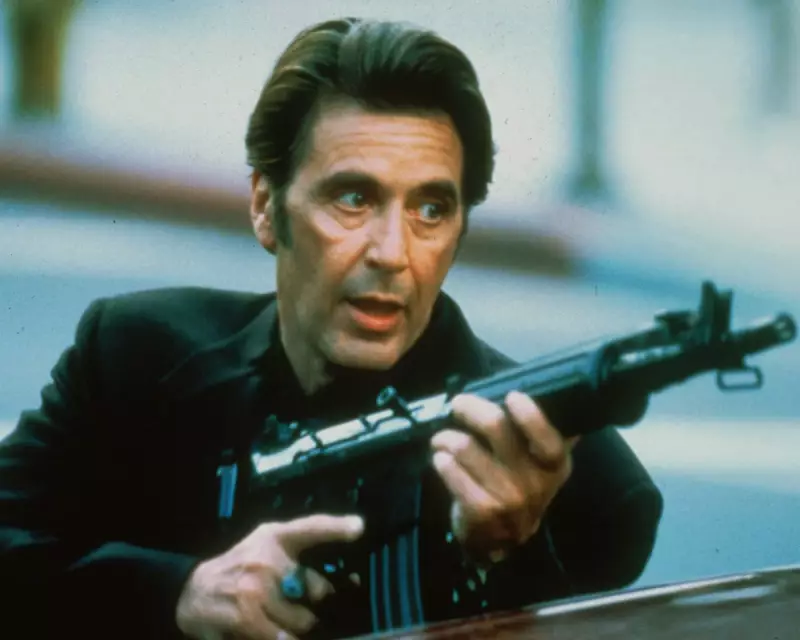
The writer describes an annual ritual with university friends, where a significant portion of their communication revolves around quoting lines from Heat. Whether channelling Al Pacino's coked-up LAPD detective Vincent Hanna or coolly delivering Robert De Niro's line as master thief Neil McCauley, the film's dialogue forms a shared language. This obsession mirrors a wider cultural phenomenon, acknowledged with self-aware humour in skits by comedians like Stanley Sievers, who lampoon the fan whose entire personality is built upon the film.
Social media algorithms faithfully serve a constant stream of Heat-related content: niche merchandise, casting polaroids from 30 years ago, and impressions of De Niro. This endless drip-feed is never quite enough for the devoted fan, who admits to watching this "slop for hours." The question then arises: why does a gritty, violent crime saga serve as a feelgood film, watched over 50 times?

The Alchemy of a Perfect Film Universe
The reasons are both artistic and personal. On a technical level, Heat is widely considered Michael Mann's most accomplished work. The central performances by Pacino and De Niro are electric, portraying two obsessives locked in a dance of mutual attraction and repulsion. Mann's vision transforms Los Angeles into a landscape of austere modernity, a world of "endlessly repeating vistas" that feels both specific and timeless.
The film's set pieces are legendary. The opening armoured car robbery is a masterclass in tension, a violent chess match on asphalt that perfectly bookends the infamous, cacophonous downtown shootout. In between lies a complex web of double-crosses, domestic strife, and a bromance so intense it "makes Trump and Putin look like Baldwin v Buckley."
In a contemporary world of constant flux, Heat offers a steady, reliable universe. It harks back to a seemingly more straightforward mid-1990s era and operates on a consistent, if merciless, moral code. This reliability is a key part of its comfort.
A Legacy That Lingers in London and Beyond
This obsession is far from solitary. Cult venues like The Prince Charles Cinema in London have hosted months-long runs of the film. Podcasts such as The Ringer's Rewatchables have dissected it multiple times, while One Heat Minute analyses it frame by frame. The translation of French critic Jean-Baptiste Thoret's book on Michael Mann last year provided even more fodder for dedicated "Heaters."
Part of the film's enduring magic is its depth. Every viewing can highlight a new detail: the mesmerising micro-performance by Val Kilmer as he watches a clerk verify his fake ID, or the tragically perfect small turn by Dennis Haysbert as an ex-con trying to go straight. From Natalie Portman's jilted teenager to Tom Noonan's pre-internet researcher, each bit part suggests a richer interior world.
Ultimately, Heat resonates as a story about sliding doors, second chances, and the red lines we draw and then cross. It's about the impossible coexistence of obsessions and domesticity, of the underworld and a normal life. The rumoured all-star cast for the upcoming Heat 2—including names like Leonardo DiCaprio and Ana de Armas—generates excitement, but also trepidation. Can that rare alchemy be recaptured?
Whether it succeeds or not, the original's legacy is unassailable. For its legion of fans, the comfort it provides is as reliable as Vincent Hanna's pursuit of Neil McCauley. The memes, the quotes, and the annual rewatches will continue. Heat is available to stream on Netflix and Disney+ in the UK.