Dior Sauvage: The World's Bestselling Cologne with a 'Toxic' Stigma
Dior Sauvage stands as a paradox in the fragrance world. Since its 2015 debut, this woody, peppery scent has achieved staggering commercial success, with approximately one bottle sold every 30 seconds globally. That translates to around 12 million bottles annually, securing its position as the number one fragrance across all categories, including both men's and women's scents combined. However, despite its immense popularity, Sauvage has cultivated a reputation that many describe as frankly malodorous.
The 'Red Flag' Phenomenon and Social Media Backlash
Influencers from the Gen Z and Millennial-focused lifestyle brand Eliza conducted a revealing social experiment on the streets of London. They presented pedestrians with a hoodie spritzed with Sauvage for blind reviews, capturing reactions for TikTok. The responses were overwhelmingly negative, with participants labeling wearers as "f***boy" and "red flag." One woman remarked warily, "It reminds me of a young questionable man." Another admitted the scent "gives me PTSD" because it smells like "every boyfriend" she's ever had. A man added bluntly, "I would run. I don't think I'd even be on this date in the first place."
This perception is bolstered by data from illicitencounters.com, which polled 2,000 women who had been cheated on. A striking 25 percent reported that the unfaithful men in their lives wore Dior Sauvage, linking the fragrance to infidelity and distrust.

A Scent with a Storied Legacy and Powerful Associations
Sauvage's predecessor, Eau Sauvage, launched in 1966, was crafted by perfumer Edmond Roudnitska to appeal to refined, sophisticated career men during an era of hippy freedom. Fragrance expert Aamna Lone notes, "It really set itself out to be for the 'classic man'—the man who gets up and wears a suit and goes to work." Today, powerful figures still associate themselves with the scent, albeit with mixed reviews. Prince Harry's memoir Spare revealed that King Charles would "slather the stuff on his cheeks, his neck, his shirt," often overwhelming others with his scent. Similarly, French President Emmanuel Macron's former aide claimed the politician uses "industrial amounts" of the cologne "at all hours of the day," signaling his presence with an assertive, unsubtle aroma.
Johnny Depp, Masculinity, and Marketing Controversy
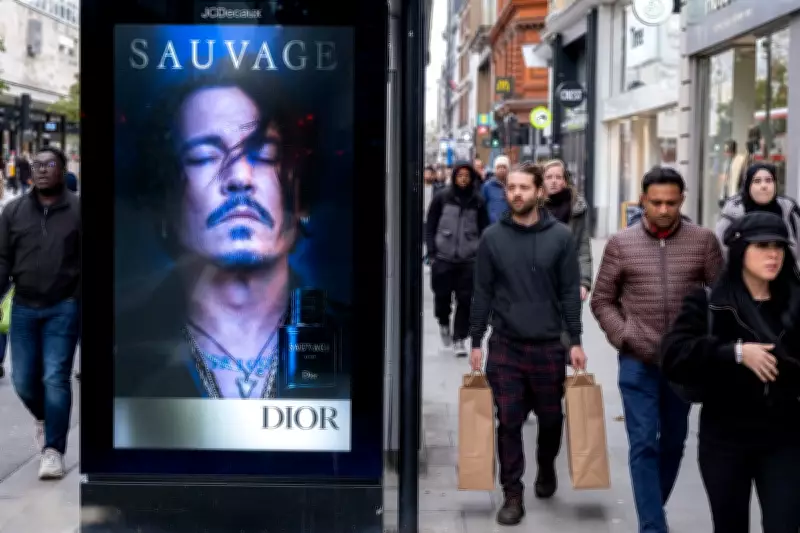
The 2015 Sauvage iteration, developed by François Demachy, targeted younger men with a warm, woody aroma anchored in ambroxan and cedar. Véronique Courtois, CEO of Parfums Christian Dior, attributed its success to a "vision of masculinity" that broke from market stereotypes. The fragrance's poster boy, Johnny Depp, has been a central figure since 2015, despite controversy. Depp faced allegations of domestic abuse from ex-partner Amber Heard, which he strongly denies. After a UK judge ruled a newspaper's "wife beater" description as "substantially true" in 2020, Depp later won a defamation case against Heard in Virginia in 2022. Dior renewed his contract in 2023 for a reported $20 million, underscoring the brand's commitment to his image.
The Addictive Allure and Overconsumption Pitfalls
Noor Khan, Head of Experience at Experimental Perfume Club, explains that Sauvage's appeal lies partly in its accessibility, with a 60ml bottle priced around £65. "A lot of younger guys love it," he says, noting they seek a "powerful" scent to attract attention on nights out, aligning with an "alpha male" self-perception. However, the synthetic ingredient ambroxane plays a key role. Khan describes it as "highly addictive," often used as a "pheromone" fragrance due to its enticing, musk-like quality.
This allure has led to overconsumption issues. Many wearers spray excessively, unaware that Sauvage is "not office-friendly," according to Khan. He advises only two spritzes on pulse points, such as behind the ears or on wrists, to avoid overwhelming others. Part of the problem is anosmia, where individuals become accustomed to their own fragrance and lose awareness of its intensity, prompting Dior to offer varying strengths from eau de toilette to elixir.

Alternatives and Cultural Impact
While not all Sauvage wearers are "toxic," the scent's connotations can lead to social repercussions. Khan and Lone recommend alternatives like Blue Talisman by Ex Nihilo, By the Fireplace by Maison Margiela, Amoral by Pernoire, and Penhaligon's Halfeti for those seeking different options. Despite backlash from "fragrance snobs" who deem it basic, Khan acknowledges Sauvage's mass appeal as a significant achievement. "Creating something that works on millions in different climates and cultures is very difficult," he says. "So, what they've done is fantastic."
Ultimately, Dior Sauvage has hypnotized consumers for over a decade, blending commercial triumph with a complex cultural narrative. Whether viewed as a warning sign or a beloved classic, its impact on the fragrance landscape remains undeniable, for better or for worse.