The Rise of the 'Good Intention' Bag: John Lewis Leads a Practical Fashion Shift
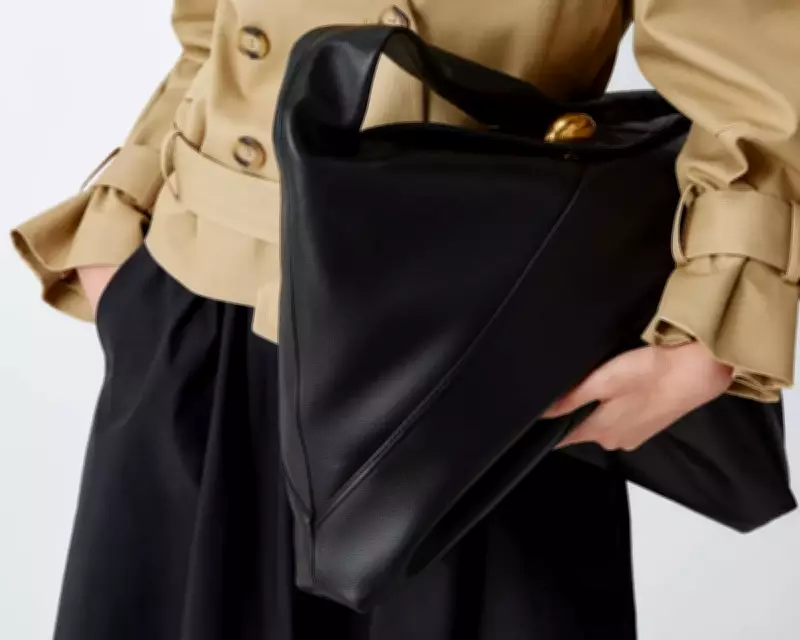
In a surprising turn for the fashion world, it's not a luxury Hermès handbag costing thousands that defines the latest accessory trend, but a £149 tote from high street retailer John Lewis. Launched this season, the Intentional tote bag is making waves with its oversized design, measuring 45cm in depth and 33cm in height, significantly larger than typical handbags. This bag is crafted to hold essentials like a packed lunch, flask, book, and even gym kit, positioning it as a versatile all-day companion.
Design and Intent Behind the Trend
According to Carrie Cooper, John Lewis's senior footwear and accessories designer, the Intentional tote is "an all-day bag – you can fit your spare shoes, snacks and water bottle in but, rather than a more practical and functional tote, this feels more 'intentional' and a decision rather than a basic shopper." She describes it as "oversized but not structured," emphasizing a blend of style and utility. These "good intention" bags, often deeper and less wide than traditional totes, focus on capacity over bulk, becoming a staple across various brands.
Market Expansion and Cultural Impact
The trend has quickly spread, with Marks & Spencer offering suede and ruched drawstring versions, Jigsaw marketing a "shopper" iteration, and Me+Em catering to working women with a 36.5cm-long "soft day bag." In California, climbing brand Gramicci presents a gorpcore-style 40-litre ripstop tote, while the Pacific Tote Company, founded by Roman Coppola, produces sturdy canvas bags favored by celebrities like Anthony Hopkins and Alexa Chung. Co-founder Duffy Culligan notes these aren't mere "shopping bags" but "the co-conspirator of an unplanned adventure."

Addressing Tote Fatigue and Sustainability
This shift responds to growing "tote fatigue," as Culligan observes: "Everyone's cities are flooded with flimsy promotional bags – there's a certain irony to carrying a repurposed grocery tote, but most of those are churned out cheaply in mass factories, and they fall apart in a month." The UN environment programme highlights that cotton totes need 50 to 150 uses to offset production, yet less than 10% are used more than three times. Good intention bags offer a durable alternative, potentially ending the era of disposable totes cluttering homes.
Semiotic and Social Significance
Bridget Dalton, a semiotician at Truth Consulting, explains that old fabric totes often signaled cultural allegiances but were impractical, slipping off shoulders and being "basically quite rubbish." In contrast, good intention bags signify a "dedication to practicality." She links this to broader social themes: "Big bags are more gender-neutral," citing David Beckham's use of an Hermès bag, and notes they represent "a sartorial stride towards equality; men and women carrying the same stuff."
Class and Identity Reflections
Dalton references the "ludicrously capacious" bag insult from Succession, where large bags were once seen as déclassé. Now, they embody "good intention" as a "peasant morality" of self-reliance, rejecting frivolity. This contrasts with the late 2010s trend for tiny, impractical handbags. Dalton concludes, "Carrying a lot of stuff around is a historically working-class requirement... the good intentions bag is a statement that says my identity is not contingent upon other people doing stuff for me. I can be luxe, practical and unpretentious at the same time."