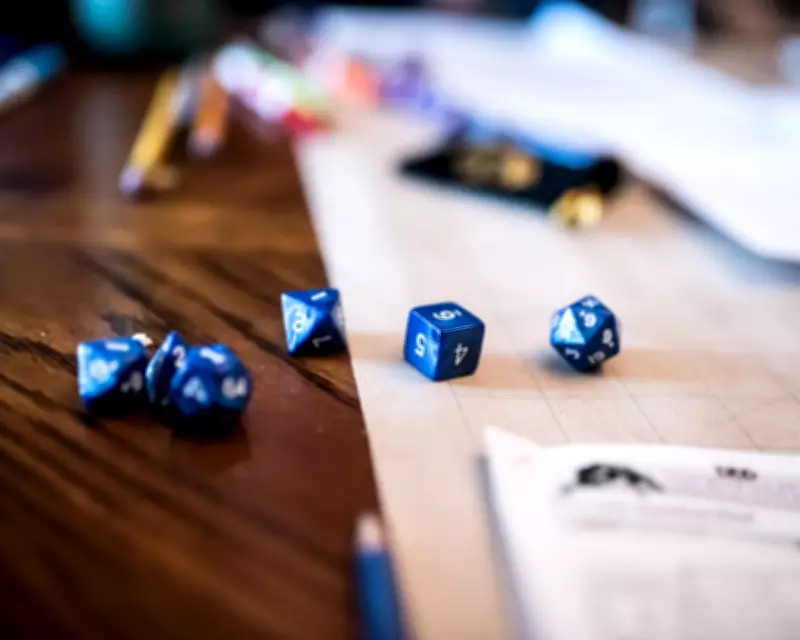
Finding Connection Through Fantasy: How Dungeons & Dragons Became My Social Anchor
In today's fast-paced world, maintaining meaningful friendships often feels like navigating a complex scheduling nightmare. The simple act of meeting a friend for coffee or catching a film together can become a logistical challenge that stretches across months. This struggle for social connection is not unique to me – research indicates a concerning decline in social bonds, particularly among younger adults, that has only intensified since the pandemic.
The Modern Friendship Dilemma
Like many people, I've experienced the frustration of playing what feels like the world's slowest game of message tennis. You extend an invitation to a friend, only to watch seasons change and time pass before finally locking in a date. The demands of work, job interviews, and daily responsibilities consistently push friendship maintenance down the priority list, creating what feels like an endless cycle of postponed connections.
Recent surveys from Australia reveal troubling trends in social connectedness, with significant declines noted among men aged 24–44 and women aged 15–24. In our late-capitalism reality, where employment and financial stability dominate our concerns, nurturing friendships often falls to the wayside despite being crucial to our wellbeing.

The Unexpected Solution: Structured Fantasy
Amid this social landscape, my monthly Dungeons & Dragons game has emerged as an unexpected lifeline. What began as a nerdy pastime has transformed into something far more significant: a reliable, scheduled connection that I genuinely anticipate each month. We set our games well in advance, creating a comforting rhythm of organised fun that stands in stark contrast to the chaotic nature of modern social planning.
This phenomenon reflects a broader societal shift toward structured social activities. People increasingly turn to run clubs, book clubs, and similar organised gatherings to fulfil basic social needs that once occurred more spontaneously. My D&D game represents my personal version of this trend – a dedicated space where friendship takes priority through the medium of collaborative storytelling.
Why Fantasy Role-Playing Works
The genius of Dungeons & Dragons lies in its fundamental design as a collaborative experience. The game revolves around an "adventuring party" – a group of characters who grow closer through shared challenges in imagined worlds. This structure naturally fosters connection among players, creating bonds that extend beyond the gaming table.
As someone who traditionally resisted organised social activities, I've been surprised to discover the profound value in this particular form of contrived fun. Each month, I travel to my friend's house carrying a bag of dice and gaming materials that might have marked me as an outcast in an 80s teen movie. Yet this ritual has become something I genuinely cherish.
Escapism with Purpose
Our gaming sessions provide more than just entertainment – they offer essential respite from daily pressures. We typically spend the first hour catching up on real-world concerns: job challenges, financial worries, and personal dramas. Then we transition into a fantasy realm where our biggest concerns involve imaginary creatures rather than real-world anxieties.
This structured escapism serves a vital psychological function. When maintaining a social calendar begins to feel like another job, and friendship starts to resemble a chore, D&D offers a different approach. It enforces fun, whimsy, and play in a way that feels refreshing rather than burdensome.
The Therapeutic Value of Play
My experience suggests that Dungeons & Dragons provides unique comfort that other organised social activities might lack. The game's requirement to engage creatively and collaboratively makes it difficult to bring real-world stresses to the table. Instead, players immerse themselves in a shared imaginative space where they can be silly, inventive, and present with friends.

As adults, opportunities for unstructured play and creative expression diminish significantly. Carving out dedicated time each month for this type of engagement feels increasingly valuable. What might appear as simple entertainment actually functions as a beneficial release valve – a chance to temporarily set aside responsibilities and reconnect with friends through shared imagination.
Perhaps the greatest lesson from my D&D experience is that sometimes, the most contrived forms of fun can become the most meaningful. In a world where spontaneous connection grows increasingly rare, scheduled fantasy has become my essential social anchor – proving that organised fun, when chosen freely and embraced wholeheartedly, can transform from obligation to lifeline.