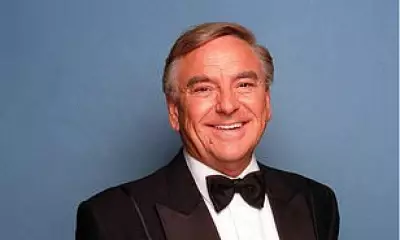
The musical journey of Bob Weir, the legendary co-founder of the Grateful Dead, is a tapestry woven from epic improvisation, poetic lyricism, and an unshakeable spirit of freedom. As the band's rhythm guitarist and frequent vocalist, Weir helped steer the Dead through three decades of sonic exploration, leaving behind a catalogue of songs that became anthems for a generation. Here, we chart a course through ten of his most essential recordings, from sprawling live jams to studio-perfected gems.
The Foundation: Early Anthems and Road-Worn Tales
The Grateful Dead's early work established their unique voice, with Bob Weir often at the narrative helm. A prime example is 'The Other One' from 1968, which began as a segment of 'That's It for the Other One' on the Anthem of the Sun album. The lyric, a rare early writing credit for Weir, referenced a real-life incident where he pelted police with water balloons outside the band's Haight-Ashbury hangout. The song evolved into a monumental jam vehicle, epitomised by a brilliant, languid version performed at San Francisco's Winterland in 1974.
No list would be complete without 'Truckin'' from 1970, arguably the Dead's ultimate anthem. With the iconic line "What a long, strange trip it's been," lyricist Robert Hunter captured the band's picaresque touring life. Weir's jovial growl brought to life tales of 'reds, vitamin C and cocaine' and endless hotel busts, finding magic in the chaos. The definitive live version is often considered to be the rumble captured on the Europe '72 live LP from London's Lyceum.

Showcasing the band's embrace of Americana, 'Sugar Magnolia' (1971) was a radiant tribute to Weir's longtime partner, Frankie Hart. A highlight of the American Beauty album, it became a concert staple, often blooming into the joyful 'Sunshine Daydream' coda. A particularly cherished performance came on 31 December 1978 at San Francisco's Winterland Ballroom, marking the venue's final night.
Solo Ventures and Philosophical Depths
Weir's individual songwriting prowess shone on his 1972 solo debut, Ace. 'Playing in the Band' portrayed the Dead's lifestyle as a quasi-mystical calling. Originating from a riff by David Crosby, it became a launchpad for the group's most exploratory jams, including a legendary 46-minute version in Seattle in 1974 – believed to be their longest ever single-song performance.
Another standout from Ace was 'Cassidy' (1972), a lilting folk-rocker named for a roadie's daughter but also paying homage to Beat icon Neal Cassady. Its coda offered a life philosophy that resonated deeply with Weir and fans alike: "Let your life proceed by its own designs." This sentiment ensured the song remained in his repertoire for decades, with both the Dead and his later band, RatDog.
The mid-70s saw the Dead explore funky, rhythmic territories. 'The Music Never Stopped' from 1975's Blues for Allah is a prime example, driven by Weir's prickly guitar and Southern rhythms. Co-written with John Perry Barlow, its playful imagery of a "rainbow full of sound" captured the band's joyous, communal spirit.
Later Evolution and Unlikely Hits
During a brief hiatus from the Dead, Weir joined Kingfish, penning the lust-and-addiction-themed 'Lazy Lightning/Supplication' (1976). While the studio version was polished AOR, the song truly unlocked its jazzy, conversational potential when Weir brought it back to the Dead's live sets, as heard in a 1977 Florida performance.
'Estimated Prophet' (1977) stands out for its dark, reggae-tinged menace. Weir's portrayal of a Manson-like figure was a grimly compelling departure. While a 1990 version with Branford Marsalis on saxophone is celebrated, the song's dark heart is powerfully exposed in a 1979 Oakland Auditorium Arena recording, where Weir's choppy guitar creates a foreboding atmosphere.
The Go to Heaven era (1980) produced the meditative 'Lost Sailor', where a disillusioned Weir sees himself in a haggard boatman, musing that "freedom don't come easy." This melancholic number has aged remarkably well, despite the album's infamous white-suited disco imagery.

Finally, the Dead's unlikely brush with MTV fame came via 'Hell in a Bucket' from 1987's In the Dark. The band's only US Top 10 album may divide fans, but this cynical kiss-off proved their dark wit remained intact. With an irresistible hook – "I may be going to hell in a bucket, babe, but at least I'm enjoyin' the ride" – it delivered a timeless, if gonzo, sentiment. The pastel-suited music video may be dated, but the song's defiant energy endures, a fitting capstone to a career dedicated to enjoying the ride, wherever it may lead.