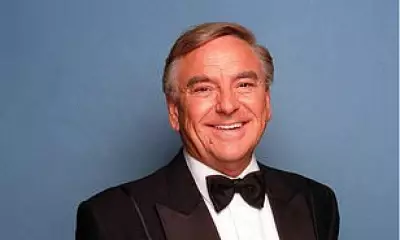
Global pop sensation Mika has spoken candidly about the intense media scrutiny he faced at the start of his career, stating that the way journalists wrote about his sexuality in the 2000s would be completely unacceptable today.
From Beirut to Global Stardom: A Tumultuous Journey
Born Michael Holbrook Penniman Jr in Beirut in 1983, Mika's early life was shaped by displacement. His family fled the Lebanese civil war when he was just one year old, eventually settling in Paris. His childhood was filled with a vibrant, transplanted Lebanese community, the sounds of Fairuz and Nirvana, and nightly gatherings where the trauma of war was processed through food, politics, and tears.
Further instability came when his father was taken hostage for eight months in the US embassy in Kuwait during the Gulf War. Upon his return, the family faced a breakdown, job loss, and financial ruin, prompting a move to London. Mika credits this itinerant upbringing with fostering a "cultural fearlessness" that later defined his artistic persona.

Finding Refuge in Music and a Mother's Tough Love
Struggling with dyslexia and a difficult teacher, Mika was expelled from school in London at age eight and withdrew from the world for a year. His mother, a brutally honest figure who worked with him until her death in 2020, instilled a new value system. "Forget school," she told him. "Make something."
She became his rigorous daily tutor, training him "like a sportsperson" for five hours each day. Music became his sole refuge and obsession. As a teen, he immersed himself in London's cultural scene, from £5 tickets at the Royal Festival Hall to underground raves, finding equal depth in both.
The Angry Birth of a Global Hit: 'Grace Kelly'
His breakthrough came from a place of frustration. After being brutally rejected by a management company he had been writing for, Mika channelled his anger into a song. "I knew I couldn't do rage like Nirvana," he recalls. Sitting at the piano, he wrote 'Grace Kelly' in a stream of consciousness, transforming his anger into a "dangerous sort of joy." The song topped the UK charts in 2007 and propelled his debut album, Life in Cartoon Motion, to global sales of over 20 million.
However, fame proved to be a "strange distraction," pulling him away from his dreamer's life and bombarding him with external noise and opinion.
Confronting the Press and Embracing Creative Freedom
A significant part of that noise was the press. Mika states that attitudes in the 2000s were "very different" and that journalists would not be able to get away with their coded, euphemistic, and sometimes cowardly commentary on his sexuality today. He reflects that the accusations of being "brazen" were a product of the time, though he wouldn't rewrite that chapter of his life.
In the years since, he has avoided repetition, presenting TV shows like The Piano and even releasing a French-language pop album against his label's advice. Now, he describes being in an "unbelievable time of creative fun and mess-making." His first English-language album in six years, 'Hyperlove', is set for release on 23 January. He describes its inspiration as asking, "What if Hunter S. Thompson was to vomit a pop album?" seeking a rebellious sense of "burning and yearning."
He has also recently completed a symphonic film score with 260 musicians, a communal experience he found enriching after years as a solo artist. Through it all, he carries the fearless energy of his childhood and his mother's legacy—like the toddler smothering chocolate mousse on his face, understanding freedom without consequence.