For many, a local pub is just a place for a pint. For journalist Alex Needham, venues like Leeds' Faversham pub chart the very course of his life, serving as crucial refuges and portals to new worlds during his formative years.
From Childhood Jukeboxes to Underage Goth Nights
Needham's pub journey began exceptionally early. His grandparents would take him to the Sandford Arms in Leeds around the age of four, where he recalls playing 70s hits like Boney M's 'Rivers of Babylon' on the jukebox. Another set of grandparents ran a city-centre pub, though his grandfather lacked the typical landlord's cheer.
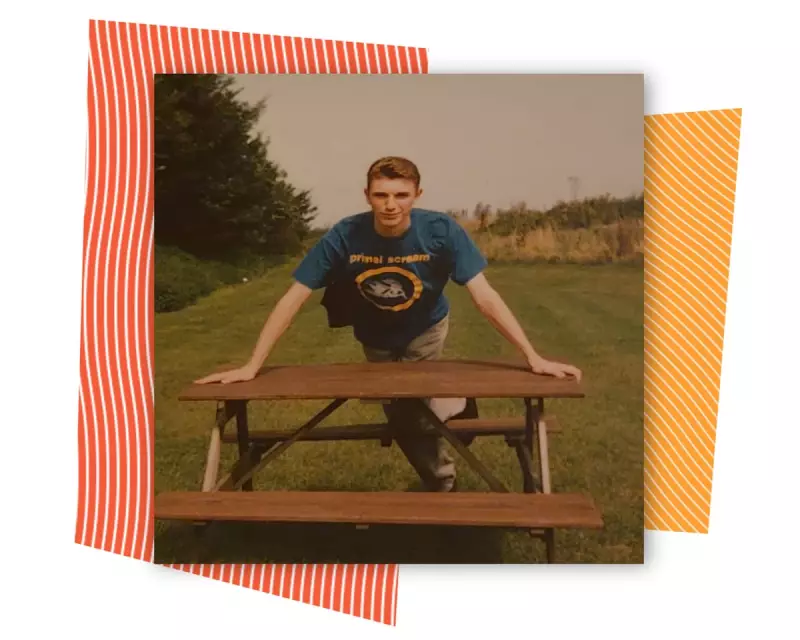
By the summer before university, he was working in the 'tap room' of his local, the Eyrie. But his true allegiance had already shifted to the Faversham, a huge pub near Leeds University. Around 1990, while still underage, he began frequenting 'the Fav', then a dark haunt for student goths hoping to spot members of bands like Sisters of Mercy. Despite bouncers asking for dates of birth—a tricky question after pre-drinking vodka on Woodhouse Moor—Needham doesn't remember being refused entry.

The Rave Revolution Hits the Fav
Soon, the pub underwent a dramatic transformation that mirrored a cultural shift. The flock wallpaper, dim lighting, and goths' cider-and-black were swept away. In their place came a new sensory experience: thumping house music, video screens showing fractal patterns, projections of lava lamp bubbles, and bottles of K Cider.
Rave culture had arrived in Leeds, and Needham and his friends dived in headfirst. "One minute we were staring at our Dr Martens while listening to Curve and Chapterhouse; the next we were dancing to K-Klass's 'Rhythm is a Mystery'," he recalls. They wore Global Hypercolor T-shirts that changed colour with body heat, leading to comically fluorescent armpits.
A Portal to Freedom and Self-Discovery
The Faversham became the launchpad for nights that would end at clubs like the Gallery, the Warehouse, or more adventurous venues in Chapeltown such as the West Indian Centre. These spaces, thick with dry ice and the sound of anthems like Bassheads' 'Is There Anybody Out There?', offered an incredible release.
For Needham, navigating a tough, all-male grammar school where rugby was compulsory and homophobia was rife, this scene was a lifeline. "None of these things seemed to matter at the Faversham or in the club scene," he notes. The inclusive, live-and-let-live atmosphere allowed him space to explore his identity. This exploration led to 'Jungle', a gay rave at the Warehouse, and later to the famously camp mixed-gay party 'Vague', where nights culminated in pop anthems by Wham! or Madonna.
By the time Needham left for university in the south, Leeds itself felt like it was loosening up. On his return visits, the Fav had transformed once more, catering to the 'New Yorkshire' indie scene of the 2000s. For him, however, its lasting legacy was as a refuge from teenage pressure and a mind-expanding gateway to excitement and self-acceptance, served alongside a bottle of K cider.