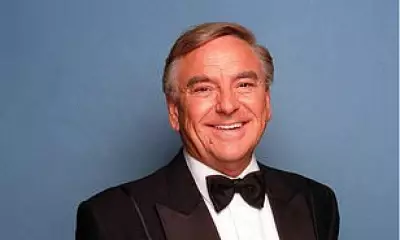
The classical music world is in mourning following the death of Andrew Clements, the Guardian's long-serving and profoundly influential classical music critic. Clements, who was 76, passed away recently, leaving a void in cultural journalism described by many as irreplaceable.
A Critical Voice of Unmatched Integrity
Across a career spanning decades, Andrew Clements established himself as a critic of rare knowledge, curiosity, and uncompromising integrity. His writing was celebrated for its clarity, precision, and deep engagement with music, particularly contemporary works. Composers, performers, and colleagues have united in paying tribute to a writer whose judgment was both respected and feared.
Composer Mark-Anthony Turnage recalled a man of "broad knowledge" and "great enthusiasm for new music," with whom he shared evenings discussing Stravinsky, politics, and Arsenal Football Club. George Benjamin noted the "strict professional distance" Clements maintained, while expressing gratitude for his very first newspaper review. Steve Reich simply stated he would miss reading words he had followed with interest for over 30 years.

Champion of the New and Adventurous
Clements was renowned as a fearless advocate for new music. His tastes were open and adventurous, with a keen awareness of global developments. Pianist Pierre-Laurent Aimard praised his "clarity of judgment, true independence, and strength of character." Former Guardian editor-in-chief Alan Rusbridger revealed he hired Clements on the recommendation of pianist Alfred Brendel, who insisted the paper needed a critic who understood modern music—a role Clements fulfilled impeccably.
He was an early champion in the UK of spectral composer Gérard Grisey and consistently supported adventurous figures like Xenakis, Lachenmann, and Saariaho. Julian Anderson recalled how Clements telephoned him in 1993 to invite him onto the Guardian's reviewing staff, an offer Anderson declined to focus on composing.
A Colleague and Character
To those who worked alongside him, Clements was a wonderful, if sometimes mischievous, colleague. John Allison, editor of Opera magazine, spoke of his "leaky pillar box copy" excuses for missed deadlines and their regular, gossip-filled phone chats. Nicholas Kenyon remembered his "cutting comment or a barbed witticism" in concert hall corners, and his constant push for more contemporary music at the Proms.
His presence at a concert was a mark of significance. Stephen Newbould, former artistic director of the Birmingham Contemporary Music Group (BCMG), said seeing Clements in the audience was an endorsement that he was doing his job well. Judith Serota of Spitalfields Festival remembered moving from being "slightly frightened" of him to valuing his invaluable advice.
Beyond music, Clements was a passionate and knowledgeable birdwatcher. Rian Evans, a fellow Guardian critic, recalled his instant identification of a sparrowhawk and his sadness at declining swift numbers. Hilary Finch successfully recommended he seek the Barrow's goldeneye duck in Iceland.
A Legacy of Sharp, Generous Attention
Many tributes highlighted Clements's unique ability to pay profound attention. Pianist Tamara Stefanovich wrote a powerful homage, stating: "Artist egos are not merely fragile; they are ravenous... Andrew Clements did something far more dangerous: he paid attention." She described his criticism as "generative" and "nourishment."
His reviews could make careers. Cheryl Frances-Hoad said his "seal of approval" on her first CD, proudly displayed on funding applications, tangibly advanced her work, even if he later labelled a piece "almost hackneyed." Francisco Coll expressed gratitude for his "consistently generous and attentive words" from the very beginning.

As Jackie Newbould poignantly summarised, Clements was "above all, a treasured spirit, one of the rare ones who understood how vital music is for the human soul." His passing, as Tom Service noted, leaves the musical world fundamentally changed—a huge loss of a critical pillar for contemporary music culture in the UK and beyond.