Flattery or Forgery? Vienna Philharmonic's Florence Price Re-Orchestration Sparks Outcry
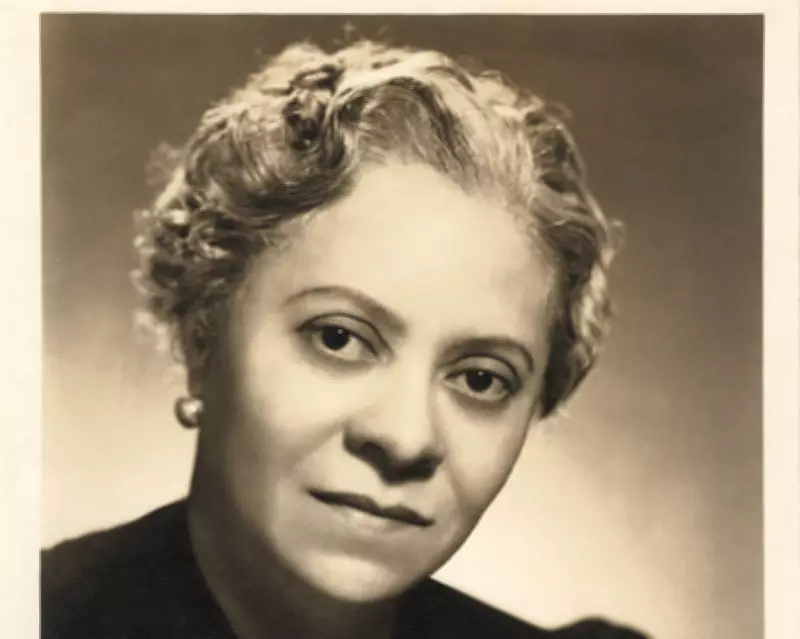
The inclusion of Florence Price, the pioneering US-born composer, pianist, and teacher (1887-1953), in the Vienna Philharmonic's New Year's Day Concert on 1 January 2026 was hailed as a long-overdue recognition. Conducted by Yannick Nézet-Séguin, the event traditionally dominated by Strauss family works featured Price's Rainbow Waltz, symbolising a shift towards repertoire diversity. However, a heated row has erupted over the authenticity of the piece performed, with experts accusing the orchestra of presenting a forgery that strips away Price's distinctive musical identity.
The Alleged Forgery and Its Implications
According to John Michael Cooper, a leading Florence Price scholar who has edited and published extensive works by the composer, the version played was not truly by Price. Wolfgang Dörner's arrangement, credited as Florence Price's Rainbow Waltz on Sony's concert album, has been labelled the "sincerest form of insult" and a "forgery". Dörner's re-orchestration added an introduction and retained minimal recognisable themes from Price's original solo piano waltz, resulting in a piece that bears little melodic, harmonic, or structural resemblance.
Critics argue that this erasure ironed out Price's unique harmonies, which blend spirituals, early blues, jazz influences, and classical traditions, leaving a pure Viennese pastiche. The oboist and blogger Katherine Needleman further revealed discrepancies in attribution: while the programme and streaming platforms credit Price, the Austrian copyright agency AKM lists the piece as public domain with only Dörner attributed. This raises questions about whether institutional prejudice, similar to what marred Price's life, continues to affect her posthumous reputation.

Responses from Key Figures and Broader Context
Yannick Nézet-Séguin, who has championed Price's music more than any other major US orchestra conductor, defended the inclusion, stating that different arrangements help reach diverse audiences. He emphasised Price's importance in music history but declined further comment when pressed. Vienna Philharmonic chairman Daniel Froschauer acknowledged that Dörner "took somewhat greater liberties" but asserted no intent to mislead, suggesting the discussion offers learning opportunities.
Listeners are urged to seek authentic experiences of Price's work, such as Nézet-Séguin's recordings of her symphonies or the original Rainbow Waltz for piano. This incident underscores ongoing debates in classical music about representation, authenticity, and the risks of diluting diverse voices to fit traditional conventions.