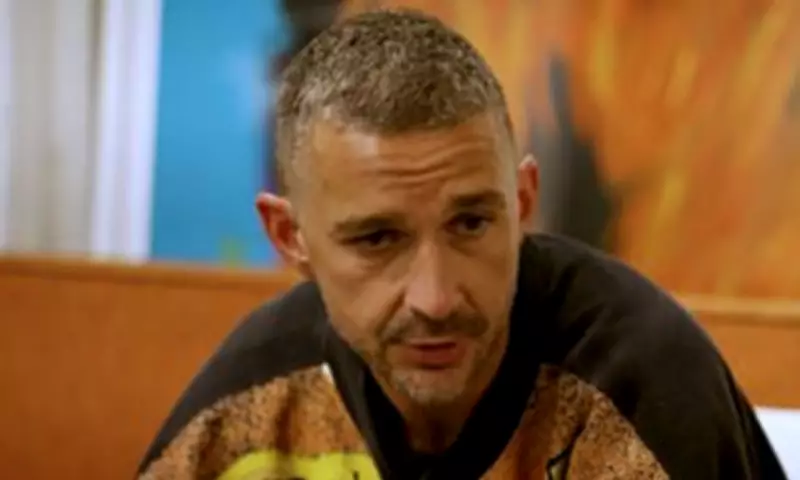
Shia LaBeouf has broken his silence in a revealing interview, speaking openly about his recent arrest in New Orleans that stemmed from a bar brawl during the vibrant Mardi Gras celebrations. The 39-year-old former child star, known for his troubled public persona, appeared on Channel 5 with Andrew Callaghan on Saturday, delivering a series of startling and controversial statements that have sparked widespread discussion.
Controversial Comments on Fear and Homophobia
During the hour-long conversation, LaBeouf made a particularly shocking admission regarding his feelings of fear when approached by three gay men on Fat Tuesday. He stated plainly, 'Big gay people are scary to me.' Elaborating further, he explained, 'When I'm standing by myself and three gay dudes are next to me, touching my leg, I get scared. I'm sorry. If that's homophobic then I'm that.' These remarks have drawn criticism for their perceived homophobic undertones, adding fuel to the ongoing debate about accountability and sensitivity in public discourse.
Accountability for the Altercation and Slur
LaBeouf also addressed the specifics of the altercation that led to his arrest, acknowledging his role in the incident. He admitted, 'I was drunk and then I felt infringed upon in terms of my proximity. But I wasn't in my right mind, and so it's on me.' Taking full responsibility, he confessed to using a gay slur during the confrontation, saying, 'I said words not ok to say. I don't want to hurt nobody's feelings... I'm wrong for what I did.' This candid admission highlights his attempt to own up to his actions, though it raises questions about the impact of such language and behavior.
Broader Implications and Public Reaction
The interview has ignited a firestorm of reactions from fans, critics, and advocacy groups, with many condemning LaBeouf's comments as harmful and perpetuating stereotypes. Others have noted his willingness to apologise and take blame, suggesting a potential path toward redemption. As the story unfolds, it underscores the complex interplay between celebrity, personal struggles, and public accountability in today's media landscape.