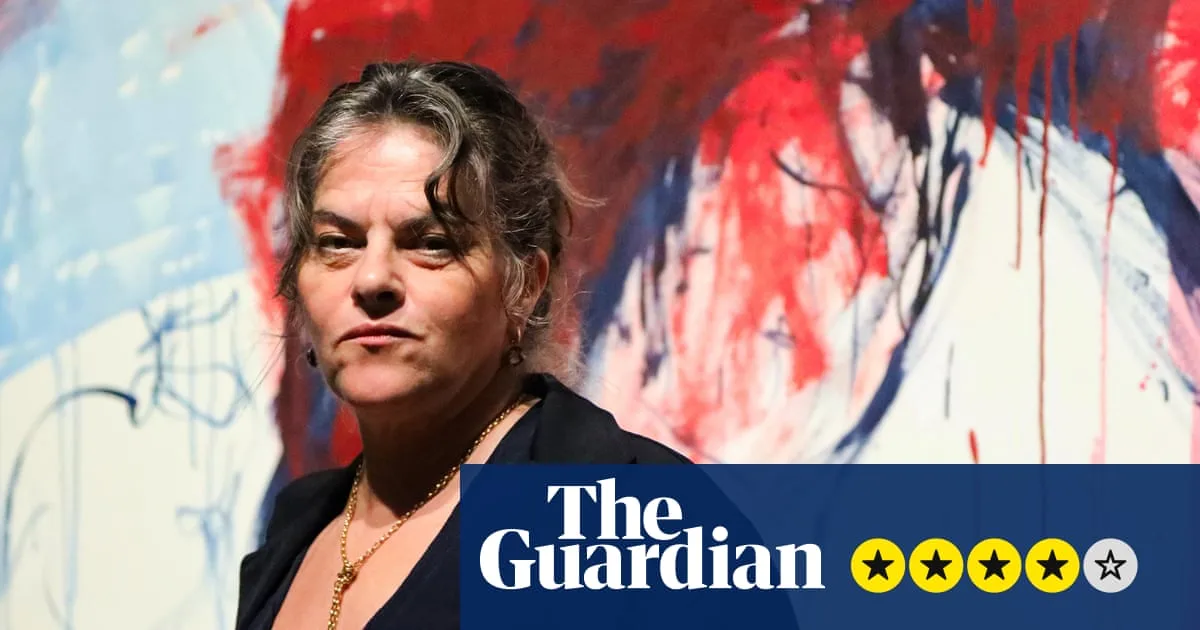
Walking into Tate Modern's major Tracey Emin retrospective feels like intruding on a private moment of grief. The exhibition, titled Tracey Emin: A Second Life, is a deeply emotional journey through the artist's career, from her early confrontational works to her recent battle with cancer. It is not a cold celebration but an intimate, dark, and claustrophobic experience that forces viewers to confront their own feelings.
Emin, Britain's most famous living artist, has always turned personal suffering into art. The show includes the harrowing 1995 film Why I Never Became a Dancer, where she recounts leaving school at 13 and enduring abuse, only to transform the pain into a joyful dance. Her abortion in the early 1990s casts a long shadow, with a display of her hospital wristband and children's shoes evoking profound agony. This event led to her 'emotional suicide', destroying her art school paintings and starting anew in a studio recreated here, covered in scrawled works and empty lager cans.
Her iconic My Bed is present, but it feels less monumental than intimate—a private moment of pain rather than a headline-grabbing statement. More recent works address her bladder cancer diagnosis, with a dark corridor filled with photos of her bleeding stoma. The title 'A Second Life' refers to her recovery, marking a rebirth. The exhibition is filled with rough, chaotic self-portraits in black, red, and grey, depicting her body splayed, bleeding, or fragile, often covered in diaristic half-poetry.

Not all of Emin's work succeeds: her bronze sculptures are described as 'badly made metallic turds', and her neon pieces feel destined for hotel lobbies. Yet even her failures are heartfelt. The painting of her carrying her mother's ashes left this reviewer in tears. The show is exhausting in its emotional intensity, but it demonstrates that Emin's life's work has been turning suffering into sculpture, insults into poetry, and agony into art.