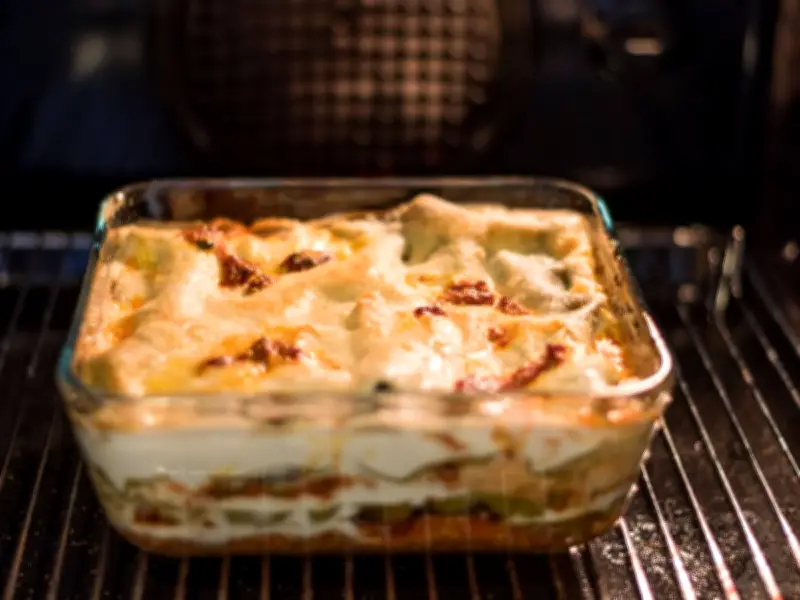
Six professional chefs consulted for their top lasagne-making advice all emphasised the same key steps to achieve a perfect homemade lasagne. The consensus includes soaking dried pasta sheets, spreading bechamel on the dish base, and allowing the lasagne to rest before serving.
Soak Pasta Sheets and Layer Bechamel First
James Cotton, development chef at Brakes Foodservice, said: "As a chef, one of the biggest questions I hear time and time again from those using dried pasta sheets for their lasagne is why the bottom layer of pasta doesn't cook all the way through. There are actually a few very simple hacks that people often miss before layering their lasagne."
Cotton recommends soaking lasagne sheets in boiled water for about 10 minutes to ensure they are slightly cooked before layering. He also advises spreading bechamel sauce at the bottom of the oven-proof dish before adding the first pasta sheets to provide moisture and prevent crunchy edges.

Cover with Foil and Add Cinnamon
Cotton further suggests covering the lasagne dish tightly with foil for the first 20 to 30 minutes of baking to trap steam, then removing the foil to brown the cheese for another 10 to 15 minutes. He also recommends adding a pinch of cinnamon or a cinnamon stick to the meat sauce while simmering for enhanced flavour, but warns to remove the cinnamon stick before assembling the layers.
Make Lasagne a Day Ahead
Jesse Kempner, head chef at Mindful Chef, advises preparing lasagne in advance, especially when using dried sheets. "Try to make a day ahead if you can, but the morning will still make a difference. All the moisture from the sauces will be absorbed by the sheets, allowing them to soften and hold better structure at the end of the cook," he said. He also notes that letting the sauce sit longer improves flavour, and resting the dish before slicing prevents a watery or messy result.
Use a Mix of Beef and Pork for Ragu
Chef Enzo Oliveri, Cirio Ambassador and President of the Italian Chefs Federation (FIC UK), emphasises that the quality of the ragu sauce is the "true Italian secret." He uses a combination of beef and pork for the meat sauce. "The pork brings a little extra richness and sweetness to the ragu thanks to its higher fat content. As the sauce cooks, that fat helps carry the flavour of the tomatoes throughout the dish, creating a ragu that feels more rounded and balanced," he explained.
Oliveri also stresses following a consistent layering sequence: pasta sheet, ragu, bechamel, and a generous dusting of Parmesan cheese. He recommends targeting five or six thin layers and letting the lasagne rest for 15 to 20 minutes before serving for neat slices.
Bechamel Base Prevents Drying
Yassir Chair, chef founder of Tagine & Grill and Afuego Burger, said: "One of the most overlooked lasagne tricks is spreading a thin layer of bechamel across the base of the dish before adding the first pasta sheet. It might seem like a small detail, but it makes a noticeable difference to the finished result." He explains that the bechamel creates a protective cushion, preventing the bottom layer from overcooking or drying out, and ensures a consistent, silky texture throughout.
Make It the Day Before for Better Bonding
Maurillo Molteni, head chef at TOZI restaurant & bar, prefers thin pasta, rich bolognese sauce, and not-too-thick bechamel. He says: "I love Parmesan, so in every layer I am quite generous with it. I also always make the lasagne the day before, let it rest and eat it the day after. It allows the different ingredients to bond with each other."