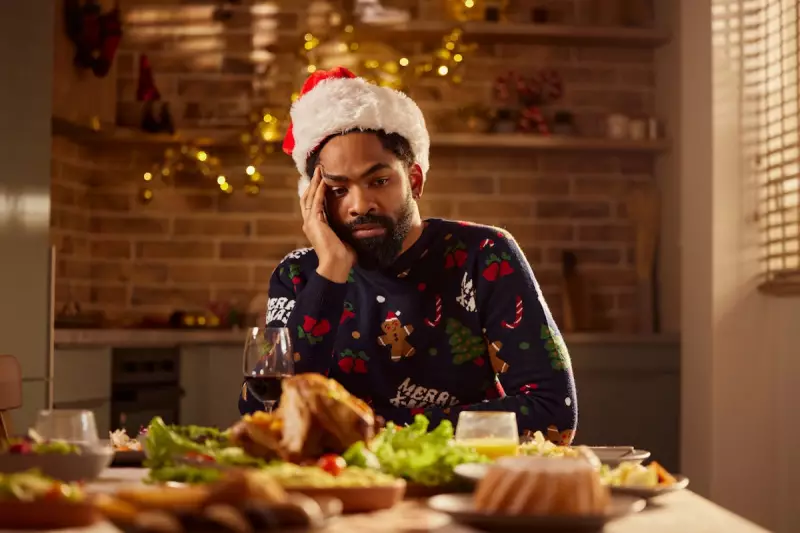
For many, the festive season brings a unique blend of joy and pressure. But according to writer Anne Atkins, a significant portion of Christmas misery is entirely optional and self-inflicted.
The Two Faces of Festive Grief
Atkins draws a clear distinction between two types of Christmas discontent. The first, she says, deserves full compassion. She recalls her father, who in his advanced years found the season a painful reminder of loss. Having lived into his second century, he had outlived his wife, best friend, and contemporaries. For those facing profound loneliness or grief, Christmas can be a genuinely cruel and terrible time.
The second kind, however, she attributes to a modern-day Scrooge-like attitude. This is the misery born of perceived obligation, not loss. Atkins recounts a conversation at a Christmas party where a fellow guest declared they hated the holiday because of all the presents they "had to" buy. When probed, it became clear these pressures were often self-created, with no external force demanding participation in every tradition.

Embracing the Power of 'No'
Atkins shares her own journey to a more joyful Christmas through deliberate rebellion against unnecessary pressures. Years ago, overwhelmed with tasks in a busy vicarage with young children, she decided to stop sending Christmas cards. The result was an instant gain of half a week, with no noticeable fallout from friends or family. The revelation was powerful: it had been optional all along.
This philosophy extended to other areas. One year, realising on 23 December that she had bought no gifts for her children, she broke down in tears. Her children's compassionate response – reassuring her they didn't mind – was a turning point. Since then, she has focused on preparing the festive food while her husband handles presents.
Crafting a Personal and Joyful Celebration
Now, Atkins actively designs a Christmas that brings her genuine happiness. She loves singing carols in her local pub, enjoys a muddy, rule-flexible hockey game on Boxing Day, and spreads present-giving across the full 12 Days of Christmas, a tradition started to manage the generosity of parishioners.
She acknowledges some public aspects are unavoidable, like supermarket muzak or early fairy lights, but compares this to other public enthusiasms, like football fanfare, which she tolerates because it matters to others.
Her conclusion is a manifesto for festive freedom. Until the day comes when loss may colour the season, she intends to enjoy Christmas thoroughly – and entirely on her own terms. Her message is clear: ditch the duties that drain you, and wholeheartedly embrace the traditions that spark genuine joy.