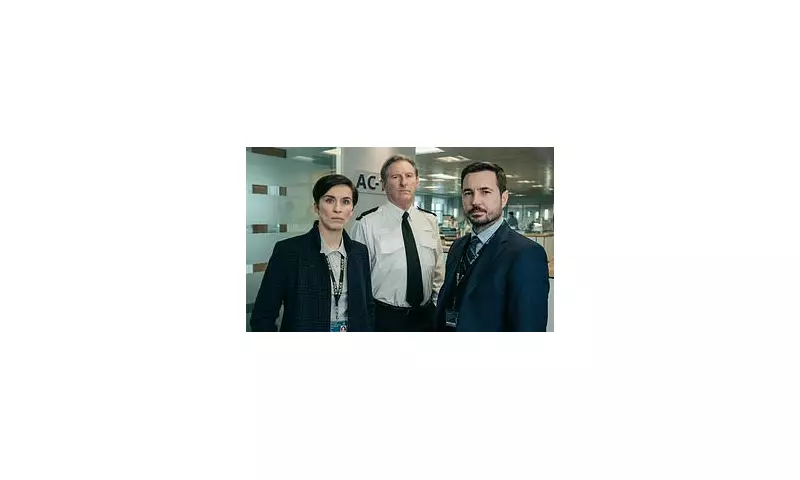
The BBC is considering placing some of its most beloved classic shows, including Line of Duty and 'Allo 'Allo, behind a paywall. This radical move forms part of a sweeping government review into the future of the corporation's funding model, launched amidst a backdrop of declining licence fee payments and recent scandals.
Funding Crisis and Government Consultation
The plans are outlined in a Green Paper published by Culture Secretary Lisa Nandy, marking the start of the once-in-a-decade review of the BBC's charter. The charter defines the broadcaster's public purposes and provides the constitutional basis for its operation, which is currently funded predominantly by the £174.50 annual licence fee.
However, this income stream is under significant pressure. Last year, the licence fee generated £3.8 billion, but the number of households paying has fallen sharply, from 25.2 million in 2020 to 23.8 million. This decline has forced a search for alternative commercial revenue options to ensure the BBC's long-term sustainability.

The Department for Culture, Media and Sport stated the consultation "consults on a wide range of options being considered for the future of the BBC." Alongside potential paywalls, the government will examine concessions for lower-income households and other commercial avenues, such as permitting advertising on BBC channels.
Paywalls, Archives, and Expanded Concessions
One specific proposal is to make older content on iPlayer available as premium, paid-for material after an initial free period. The consultation document explains: "This approach would see all of the BBC's content remaining universally available for a certain amount of time. The BBC could then monetise older content, such as its archive or content more than a year old."
Furthermore, the requirement for a TV licence could be extended to cover access to other online services like BBC Sport and BBC Sounds. In a balancing measure, the review promises to consider the impact on household budgets, with an expanded concessions bracket potentially benefiting those on lower incomes.
Independence and Trust in a Changing Landscape
The review comes at a turbulent time for the broadcaster, which has faced a series of controversies. These include the resignation of former Director-General Tim Davie following a £7.5 billion lawsuit from Donald Trump over an edited speech broadcast prior to the 2021 Capitol attack.
Launching the review, Culture Secretary Lisa Nandy emphasised the need for a robust and trusted BBC: "My aims for the charter review are clear. The BBC must remain fiercely independent, accountable and be able to command public trust... It must reflect the whole of the UK and be funded in a way that is sustainable and fair for audiences." She added that the government would ensure the review acts as a "catalyst" for the BBC to adapt to a rapidly changing media landscape.
Outgoing BBC director-general Tim Davie welcomed the consultation, stating: "We want change so we can continue to deliver for the UK for generations to come. We want to secure a public service BBC that is independent, sustainably funded for the long term, and meets our audience's needs." He urged all who care about the UK's creative industries to participate in the public consultation.