The BBC has recorded some of its poorest Christmas Day television ratings in recent memory this year, as audiences increasingly snub its traditional holiday schedule.
A Stark Decline in Festive Viewers
Peak viewing figures on December 25 were down by almost two-thirds compared to recent years. The broadcast of King Charles III's annual Christmas message attracted just under 4.6 million viewers, a stark contrast to the nearly 12.5 million who tuned in for the long-awaited Gavin and Stacey special in 2024. That reunion episode, along with Wallace & Gromit which drew ten million, both surpassed 20 million when catch-up views were included.
Although the corporation still claimed nine of the top ten most-watched programmes on the day, its ratings showed a worrying, across-the-board drop. Established favourites like EastEnders and Call The Midwife saw their audiences shrink compared to 2024, indicating a broader trend of fewer Britons switching on traditional TV during the festive period.

How the Top Shows Performed
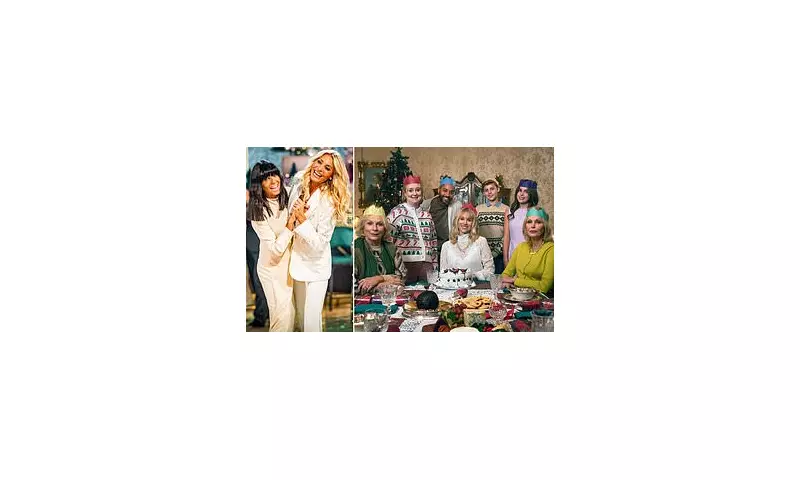
None of this year's top ten programmes came close to 2024's successes. The second most-watched show was The Scarecrow's Wedding with 4.3 million views, followed by the Strictly Come Dancing Christmas special in third place with 4.2 million. Call the Midwife took fourth with 3.4 million watches.
Notably, a first-time entry to the Christmas Day schedule, Amandaland, beat EastEnders for seventh place, pulling in three million viewers. The Strictly special also marked the final hosting appearance of Claudia Winkleman and Tess Daly, but even that milestone failed to significantly boost numbers.
Historical Context and Mounting Scandals
This year's peak of 4.6 million is a far cry from the BBC's festive heyday; in 1986, around 30 million watched the Christmas edition of EastEnders. Even in 2006, previously considered the broadcaster's worst festive performance, the top show, The Vicar of Dibley, managed 11.4 million viewers in a pre-streaming era.
The dismal figures arrive as the BBC reels from a series of controversies. The corporation chose to air the Boxing Day special of Would I Lie To You despite allegations of inappropriate behaviour against panelist David Walliams, who was recently dropped by his publisher. During recording, Walliams allegedly made Nazi salutes and a lewd gesture, requiring host Rob Brydon to intervene.
The BBC has stated it has no future plans to work with Walliams, who denies wrongdoing. The broadcaster also faces fresh scrutiny over its past association with Russell Brand, who has recently been charged with further allegations of rape and sexual assault.
Adding to its troubles, former US President Donald Trump filed a $10 billion lawsuit against the BBC just days before Christmas, concerning the editing of a speech he made about the Capitol riots in a Panorama episode.
In response to the ratings, Kate Phillips, the BBC's Chief Content Officer, told The Telegraph: "We're proud of the fact that people come together on the BBC at Christmas. Having nine out of the top ten shows on Christmas Day is a timely reminder that shared moments really do still matter even in a world of so much choice." However, critics argue this year's brutal numbers signal a deepening crisis for traditional broadcasters.