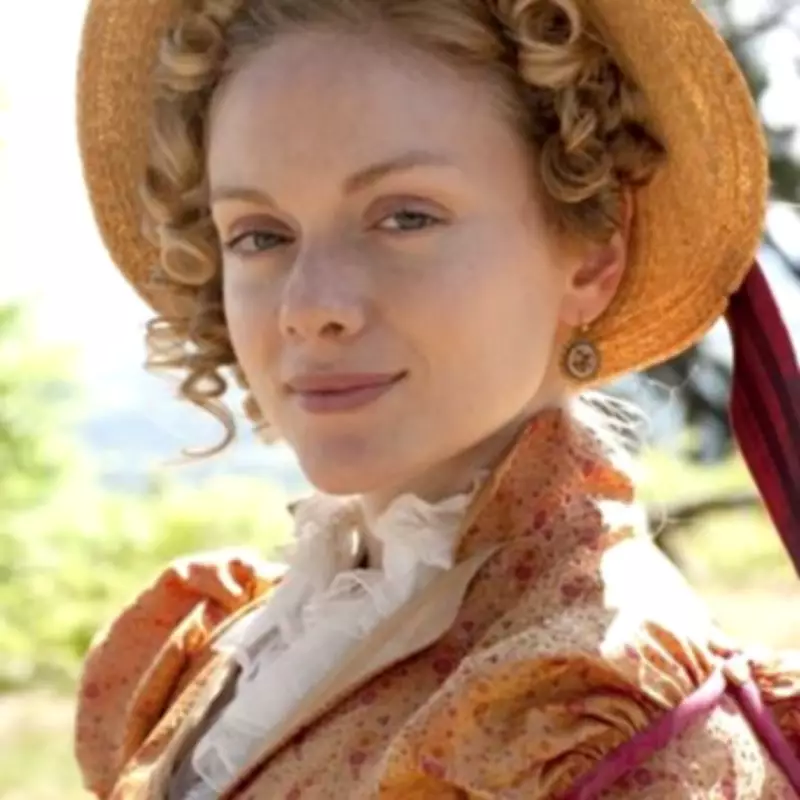
For enthusiasts of classic literature brought vividly to the screen, BBC iPlayer is currently streaming a period drama that audiences are hailing as the definitive adaptation of a Jane Austen masterpiece. Viewers have enthusiastically declared this production not only the "best ever" rendition but also an experience that surpasses the original novel in bringing the story to life.
A Modern Take on a Classic Tale
The drama in question is the BBC's 2009 four-part adaptation of Jane Austen's beloved 1815 novel, Emma. This series has recently ignited passionate discussions on platforms like Reddit, where fans have been comparing their experiences of the book versus the screen version. The consensus among many is strikingly clear: the television adaptation offers a richer, more engaging portrayal.
Audience Acclaim and Critical Praise
On social media, one viewer initiated the conversation by stating they had just finished reading Emma for the first time and found it merely "ok," but upon watching the 2009 mini-series, they "completely fell in love with it." They praised the adaptation for injecting "so much life and character" into the narrative, specifically highlighting Romola Garai's portrayal of Emma Woodhouse as preferable to the version they imagined while reading.

Responses from other fans have been overwhelmingly positive. One commenter described it as "one of the best adaptations ever," noting that Garai's performance brings a "little more modern" sensibility to the character, which enhances the story's appeal. Another enthusiast declared it "the only true version of Emma," applauding its fidelity to the source material while making it accessible and enjoyable for contemporary audiences.
Further praise emphasised how the series makes the characters more relatable. A fan expressed that in this adaptation, both Emma and Mr Knightley, played by Jonny Lee Miller, are portrayed as "flawed but so, so likeable," leading viewers to genuinely cheer for their romantic union. This sentiment underscores the adaptation's success in humanising Austen's characters beyond the page.
Behind the Scenes of a Beloved Production
Penned by acclaimed screenwriter Sandy Welch, known for her work on other celebrated period dramas such as Jane Eyre and North & South, this adaptation of Emma originally aired on BBC One in 2009. The cast features Romola Garai in the titular role, with Jonny Lee Miller as Mr Knightley and Michael Gambon as Mr Woodhouse, Emma's doting father.
Upon its original broadcast, contemporary reviewers warmly received the production, with particular acclaim directed towards the principal cast's performances. The series continues to attract new viewers, thanks to its availability on BBC iPlayer, where it can be streamed free of charge, allowing audiences to discover or revisit this gem.
Why This Adaptation Resonates
The story follows Emma Woodhouse, a privileged and intelligent young woman in 19th century England who fancies herself a skilled matchmaker, often meddling in the romantic lives of those around her. Her interference leads to confusion and complications, but through these experiences, she learns lessons in modesty and discovers that true love might be closer than she ever imagined.
Fans argue that the adaptation excels by making Emma's journey more emotionally resonant and visually captivating. One viewer noted that while they are a huge Austen fan, they found the book "lacklustre" compared to the screen version, suggesting that Austen's stories often "play out better on screen." This highlights the series' ability to translate the novel's subtle social commentaries and character developments into a dynamic visual format.
With its combination of stellar performances, faithful yet fresh storytelling, and enduring availability on BBC iPlayer, this adaptation of Emma stands as a testament to the power of period drama to not only honour literary classics but also to enhance them for modern audiences. Whether you're a longtime Austen aficionado or a newcomer to her work, this series offers a compelling reason to believe that sometimes, the adaptation can indeed be better than the book.