Bridgerton's 'Pinnacle' Scene Hailed as Most Realistic TV Sex Moment
Bridgerton's 'Pinnacle' Scene Praised as Realistic TV Sex

Bridgerton's Groundbreaking 'Pinnacle' Scene Earns Praise for Authenticity

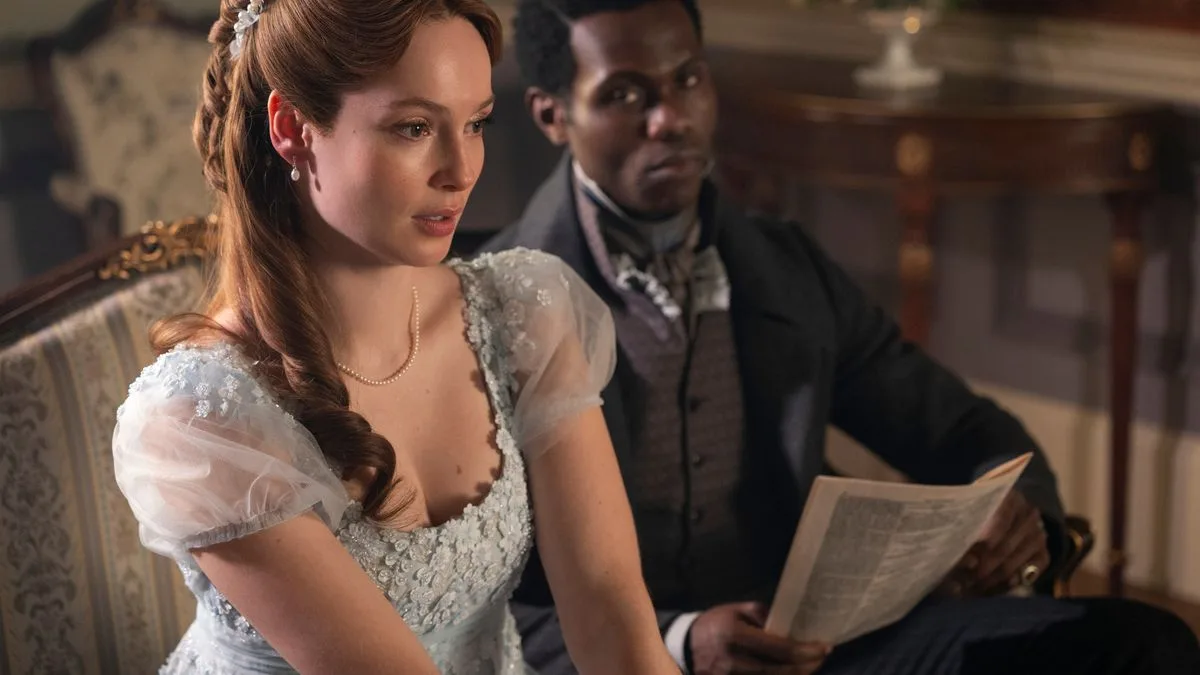
In a bold departure from typical period drama conventions, Netflix's Bridgerton has delivered what viewers are calling the most realistic portrayal of sexual intimacy yet seen on television. The show's fourth season introduces a revelatory storyline centered on Francesca Bridgerton, played by Hannah Dodd, that tackles the often-overlooked issue of the orgasm gap with surprising frankness.

A Regency Education in Female Pleasure

The pivotal moment occurs when Francesca's husband, John Stirling (Victor Alli), inquires whether she has reached her "pinnacle" during their intimate encounters. Initially misunderstanding this term as relating to conception and the pressures of producing an heir, Francesca embarks on a journey of sexual discovery that challenges Regency-era norms.

Through candid conversations with her sister-in-law Penelope (Nicola Coughlan) and mother Violet Bridgerton (Ruth Gemmell), Francesca gradually learns that sexual pleasure is not merely a transactional means to secure the family line. This narrative arc represents a significant evolution from previous seasons, where female characters often experienced immediate sexual fulfillment.

Bridging the Orgasm Gap Through Storytelling

Despite its historical setting, Bridgerton directly addresses contemporary issues surrounding sexual satisfaction. The show illuminates what experts term the "orgasm gap" - the significant disparity between men and women in achieving climax during sexual encounters. This parallels real-world statistics, including a 2022 YouGov study revealing that only 30% of women report orgasming every time they have sex, compared to 61% of men.

Viewers have responded enthusiastically to this authentic representation. One Reddit user commented: "Francesca's story represents millions of women for whom orgasm from penetrative sex alone is nearly impossible. This is the most realistic sex experience for women worldwide!" Another praised the storyline as "refreshing" compared to earlier seasons where characters found sex immediately enjoyable.

Pop Culture's Role in Shaping Sexual Expectations

Samantha Marshall, head of brand at Smile Makers Collection, explains that mainstream media has historically presented a narrow version of sexual intimacy. "For a long time, women were expected to be magically orgasmic while men's pleasure was treated as the natural conclusion of intimacy," she observes. "That framing significantly contributes to why the orgasm gap persists today."

Marshall applauds Bridgerton for its radical approach: "Francesca's storyline captures something rarely shown on screen - a woman having sex without understanding what an orgasm is. She fakes 'pinnacles' not from deceit but genuine confusion, mirroring reality for many women raised without honest conversations about pleasure."

Normalizing Conversations Across Generations

The series demonstrates how poor communication between partners, friends, and family members can perpetuate unrealistic expectations and dissatisfaction. By showing Francesca seeking guidance from both her mother and sister-in-law, Bridgerton normalizes intergenerational conversations about female pleasure without shame.

"This is pop culture doing something quietly radical," Marshall emphasizes. "By bringing female pleasure into romantic storylines and showing it's acceptable to discuss with friends and family, these narratives help replace shame with curiosity. They remind us that the female orgasm isn't mysterious but powerful, learnable, and worth prioritizing."

While Bridgerton has previously employed coded language like "tea" for sex, the introduction of "pinnacle" represents perhaps the show's most significant contribution to sexual discourse. This storyline continues the series' tradition of using Regency-era settings to explore thoroughly modern themes, proving that conversations about sexual equality belong not just in contemporary dramas but across all genres of storytelling.