CBS News has been plunged into a significant internal and external controversy after it abruptly pulled a scheduled 60 Minutes investigation into the harsh conditions at El Salvador's Cecot prison. The segment, which was due to air on Sunday night, was pulled at the last minute, prompting outrage from the programme's own journalists and accusations of political interference.
Editorial Decision Sparks Immediate Backlash
The planned report, titled 'Inside Cecot', was set to feature correspondent Sharyn Alfonsi's interviews with recently released detainees who described "brutal and torturous" conditions. The segment was promoted on social media and listed on the Paramount Plus website to air at 7:30pm ET on Sunday. However, in a late afternoon post on X, CBS announced the lineup had been "updated" and the report would air at a future date.
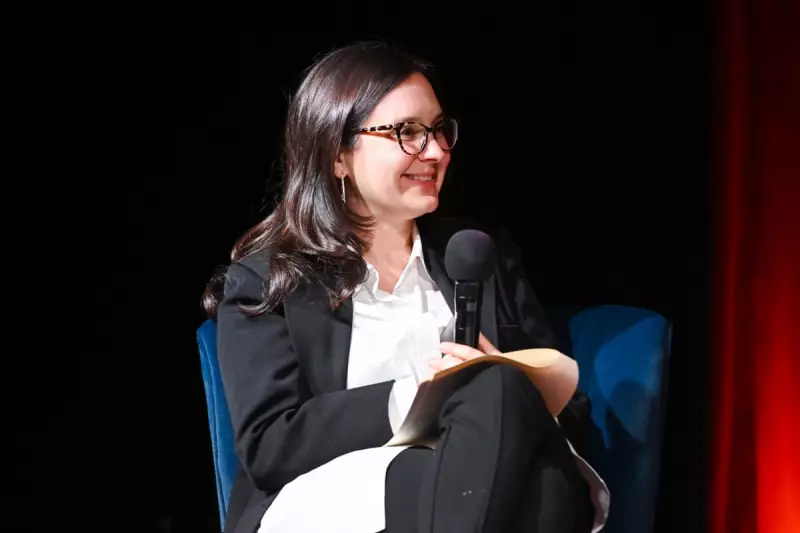
The decision was addressed on Monday morning by Bari Weiss, the controversially appointed editor-in-chief of CBS News. Weiss, whose conservative media startup The Free Press was acquired by CBS's parent company Paramount in October, told staff on a morning call: "I held that story and I held it because it wasn't ready." She argued that while the story contained powerful testimony, the issues had been previously reported and it required more context, specifically interviews with officials from the Trump administration.

A Clash Over Journalism and Politics
This justification was fiercely contested by Alfonsi. In a private note to colleagues, she stated the episode "was screened five times and cleared by both CBS attorneys and Standards and Practices." She asserted it was factually correct and that pulling it after passing all internal checks was "not an editorial decision, it is a political one." Alfonsi warned that if an administration's refusal to comment became grounds to kill a story, it would hand them a "kill switch" for any inconvenient reporting.
The report focused on the Cecot mega-prison, where the Trump administration deported hundreds of Venezuelan migrants from the US earlier this year, accusing them of being gang members without full legal due process. External critics were swift to link the decision to corporate and political pressures. US Senator Brian Schatz, a Democrat, called it a "terrible embarrassment" and accused executives of avoiding journalism that might offend "the Mad King," an oblique reference to Donald Trump.
Broader Implications for Media Independence
The controversy arrives amid a fraught corporate backdrop. Paramount's merger with Skydance in July required regulatory approval, and Paramount Skydance is now in a corporate battle to gain control of Warner Bros Discovery, a deal that would also need approval from Trump administration regulators. Media commentator Kara Swisher stated the move was "entirely to please Trump," who had criticised 60 Minutes under its new ownership.
Weiss appealed for newsroom cooperation, calling for a culture where contentious editorial disagreements could happen with respect and assumed good intent. However, the incident highlights the intense pressure on legacy news outlets like 60 Minutes, which still averages over 8 million viewers weekly in its 57th season, making it a prized vehicle for political influence. As accusations of bias become commonplace, this episode raises profound questions about the independence of journalism in an era of corporate consolidation and political polarisation.