Channel 4's The Hunt: Prey vs Predator Faces Scathing Review as Infantile Television
Channel 4's latest reality offering, The Hunt: Prey vs Predator, has been branded not just childish but infantile in a damning assessment. The programme is essentially a children's party game masquerading as serious Traitors-style reality television, reduced to a simple game of tag with a cash prize at stake.
Despite attempts to create tension through pounding drums, throbbing heartbeats on the soundtrack, and dramatic close-ups of shocked faces, the show fails to disguise its fundamental lack of substance. Critics have questioned what might come next—sudden-death musical chairs or pass the parcel for backstabbers?
The Traitors Influence and Forced Gameplay
In the wake of The Traitors' phenomenal success, every new game show now feels compelled to incorporate elements of alliances and betrayals, even when these dynamics feel entirely contrived. This trend was evident in ITV's mountain race series The Summit, and now Channel 4 has produced a version that is equally artificial and strained.

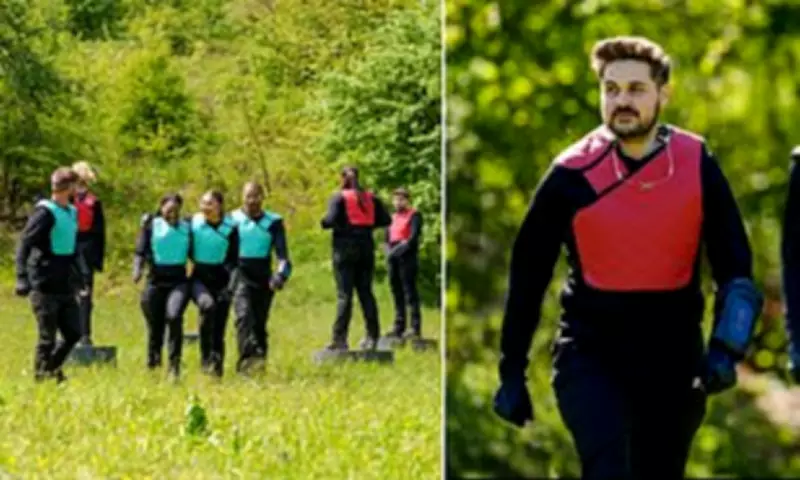
Instead of an atmospheric castle, the headquarters for this competition is a fancy garden shed. Ten contestants are split into two distinct groups and released into a woodland area. Those wearing blue tabards are designated as the Prey, tasked with avoiding capture, while those in red serve as Predators, whose objective is to catch the Prey.
When a player is caught, they simply swap tops. Anyone left wearing a red tabard at the conclusion of each game faces the risk of elimination through a daily vote-off. This simplistic structure renders the concept of building trust and forming alliances essentially pointless, given the game's facile nature.
Contrived Relationships and Scripted Drama
Contestants go through the motions of pretending to establish pacts before the hunt begins, but once the chase commences, Predators indiscriminately target anyone they encounter. Remarkably, within minutes of meeting, participants were already proclaiming deep affection and identifying new best friends among near-strangers.
The two oldest competitors, 70-year-old former model Shelley and 50-year-old environmental official Roy, were hastily anointed as 'the mum of the group' and 'the father figure'. Three episodes into the series, these superficial bonds are treated with an almost comic intensity.
Former RAF servicewoman Charlotte expressed suspicion toward everyone, illustrating her point with an analogy: 'If a lion comes up to a deer and says, "You just wait there, I won't get after you"—would the deer believe the lion?'
Production Elements and Linguistic Tics
Each hunt commences with a buffet breakfast, because apparently no reality contest can begin without offering contestants a choice between a Full English, muesli, or fruit platters. To emphasise the supposed seriousness of the competition, participants repeatedly use the word 'literally' in their commentary.
After her target outran her, 17-stone Chloe exclaimed: 'I was literally so gutted, in that last moment he just literally got away.' Meanwhile, 22-year-old 'beauty and lifestyle influencer' Mia complained from the middle of a forest: 'I'm literally surrounded by trees.' Welsh language campaigner Ameer declared while hiding behind a rock: 'I am literally Batman right now,' noting that the rock reminded him of the Batcave.
All contestants provide a running commentary to camera as they blunder through the woods, attempting to remain unseen—a challenging feat with a camera crew in close pursuit. The editing frequently cuts to studio interviews packed with soundbites that appear heavily scripted and rehearsed.
Over-Explanatory Narration
A breathless voiceover by narrator Mark Bazeley continually updates viewers, seemingly for the benefit of those who cannot grasp the complexities of what is essentially an elaborate game of hide-and-seek. At one point, Bazeley gasps: 'Unbeknownst to Mia, Shelley is heading towards her.' Literally.

The overall impression is of a television programme that takes itself far too seriously while offering nothing more than inflated playground games dressed up with production gloss. The Hunt: Prey vs Predator ultimately fails to deliver the sophisticated psychological drama it aspires to, instead presenting a simplistic format that feels both forced and fundamentally unserious.