The third episode of Fallout Season 2 on Prime Video has sparked a wave of online searches, as viewers scramble to understand two particularly arcane terms used by key characters.
Historical Slang Stumps Modern Viewers
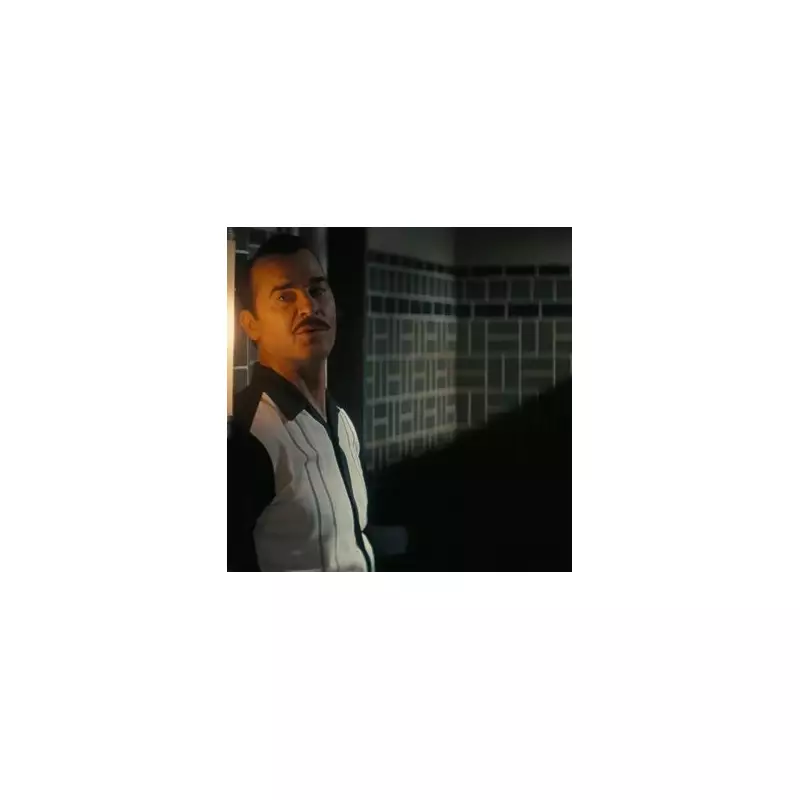
In a pivotal scene from the episode titled 'Profligate', which premiered as part of the show's weekly release schedule in December 2025, a chance encounter occurs. Robert House, played by Justin Theroux, meets the Ghoul, Cooper Howard (Walton Goggins), in a public toilet. Their tense exchange sees House dismiss the achievements of Cooper's fellow veteran before pointedly asking if Cooper is aware the man is a 'pinko'. He then doubles down, questioning Cooper directly: "Are you a pinko?"
This Cold War-era slang left many fans needing a history lesson. The term 'pinko' is used to describe someone with sympathies towards communism or socialist ideas, without necessarily being a formal party member. It originated during the Red Scare of the 1940s and 1950s in the United States, a period of intense fear of communist infiltration. The word plays on the idea that pink is a lighter, less committed shade of red, the colour traditionally associated with communism.

A Medieval Term Causes Discomfort
Another moment of linguistic confusion came from the character played by Macaulay Culkin. He tells Lucy MacLean that they are "negotiating your prima noctis." Lucy's horrified reaction clues the audience in, but the exact meaning may not be universally known.
'Prima noctis' is a Latin phrase meaning "first night." It refers to the alleged medieval custom, also known by the French term 'droit du seigneur' (right of the lord). This was the supposed legal right of a feudal lord to have sexual relations with a servant or peasant woman on her wedding night. Historians note there is scant evidence this practice was ever a widespread or formal legal right, though it persists as a potent symbol of oppression in folklore and popular culture.
Why Obscure Language Works in Fallout
The use of such specific terminology is a hallmark of the Fallout franchise's world-building. It reinforces the show's setting in an alternate history rooted in mid-20th-century American culture, which then fractured into a post-apocalyptic wasteland. The language characters use, from antiquated slang to classical references, helps cement the anachronistic and layered feel of the universe.
The series, which moved its premiere forward slightly due to high fan anticipation, continues to engage its audience not just with action, but with these deeper layers of historical and linguistic detail. For viewers, a quick search not only clarifies the plot but enriches the understanding of the show's intricate backdrop.