The global success of films like Parasite and the series Squid Game has flung open Hollywood's doors to South Korean talent. Yet for many actors without major agency support, breaking into the American industry presents a formidable new challenge, often prompting a move away from Korea's restrictive beauty ideals.
Rejection at home fuels overseas ambition
Amy Baik, a 26-year-old actor, experienced this rejection first-hand. After filming a commercial in South Korea last year, she was told her scenes were cut. The reason given was that she did not have double eyelids, a feature prized by local beauty standards. "It made me wonder how I can survive as an actor in South Korea," Baik explained. This setback became a catalyst, pushing her to look towards international markets.
The phenomenon is growing. A niche consulting industry has emerged to guide Korean actors through the complexities of American casting. "Hollywood's the dream... the ultimate pinnacle of acting accolades," said Julia Kim, a Korean American casting director for projects like Minari and Butterfly. While stars like Park Hae-soo have dual representation, many lack these crucial connections.

Navigating a different system
Consultancy firms like Los Angeles-based Upstage Entertainment bridge this gap. Co-founder Alison Dumbell notes a rising Western demand for "characters that are specifically Korean," moving beyond generic East Asian roles. However, stereotypes persist. "The one that irritates me is the nerdy tech programmer," Dumbell admitted, sometimes refusing to submit actors for such clichéd parts.
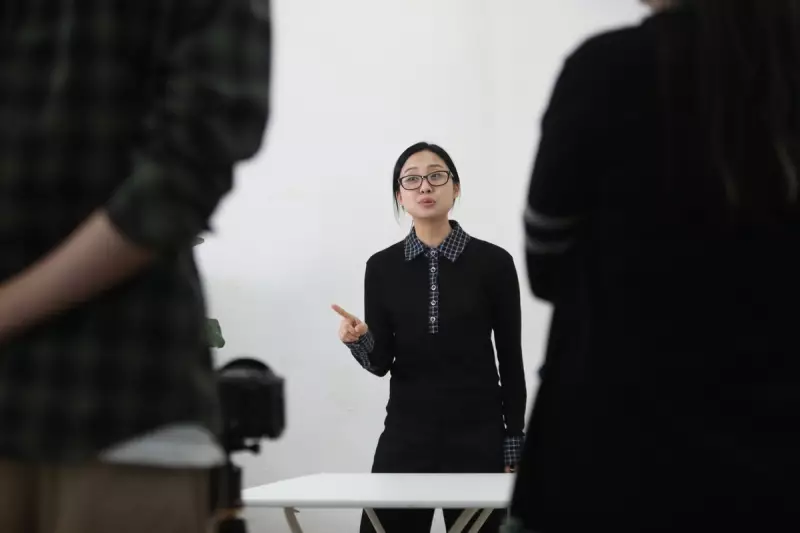
The technical and cultural differences are stark. American audition tapes require plain white backgrounds, unlike in Korea. Headshots also differ: South Korean profiles are often fashion-model style, while US ones are character-specific. Veteran actor Shin Ju-hwan, known as Julian Shin from Squid Game, found guidance through Upstage after his wife discovered them on LinkedIn.
For actors without backing, simply finding the right contacts is difficult. Julia Kim receives basic questions from Korean talent: "Should I change my Korean name to a Western name? Do I pay to get an agent?" She even cited a K-pop artist turned actor whose name had five different online variations, highlighting the confusion.
Embracing identity in a new market
Language and accent are major hurdles. Shin undertook intensive English study, transcribing over 30,000 words and using AI to check idioms. Devon Overman, an Upstage co-founder who coaches English delivery, focuses on intonation, not eliminating accent. "It's perfectly fine, even preferable to have an accent because the accent is part of who you are," she stated. Consultants stress authenticity; Shin recalled Dumbell advising him not to sound overly "American-ish."
Other factors driving the exodus include age discrimination and a shrinking domestic market. Actor Misun Youm, 29, noted that in South Korea, "30 isn't considered young." Shin, in his 40s, was able to audition for a character in their 20s for an international production, something less likely in Korea where age is typically stated upfront.
For Amy Baik, who landed a role in Netflix's XO, Kitty, her distinctive features became an asset abroad. She learned she could pursue action roles, breaking free from a "cute" image. She also appreciated the efficiency of American work culture compared to routine overtime in Korea.
Both Baik and Shin sense a significant shift. "Hollywood is ready to open its doors to anyone," Baik concluded from her experience. Shin, who aims to play a villain in American productions, feels stereotypes are crumbling. "There was a time when it seemed like you had to... act like an American," he said. "But now it feels like you can be yourself — be Korean if you're Korean."