The Night Manager's second series reached its dramatic conclusion on Sunday night, delivering a finale that proved both merciless in its execution and a significant departure from the stylistic hallmarks of John le Carré's original source material. As viewers across the UK tuned in for the climax, they witnessed a narrative that favoured brutal resolution over the nuanced moral ambiguity typically associated with le Carré's espionage universe.
A Ruthless Conclusion to High-Stakes Deception
There's something in the British cultural water that has transformed television audiences into veritable gluttons for sophisticated subterfuge. The descriptors of deception, betrayal, and fragile alliances could apply equally to both of 2026's most talked-about shows: the reality sensation The Traitors and the returning prestige drama The Night Manager. As the latter concluded its second series, viewers were left questioning whether Tom Hiddleston's enigmatic Jonathan Pine would manage to turn the tables on his treacherous opponent or face banishment from the narrative jungle.
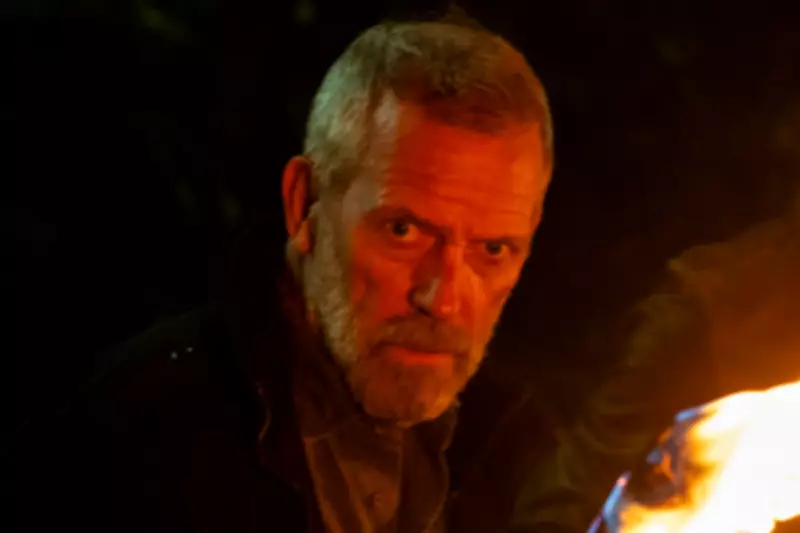
With Richard Roper, portrayed with magnificent menace by Hugh Laurie, on the verge of an arms deal threatening Colombia's fragile peace and promising repayment to his Syrian creditors, the dramatic focus shifted decisively toward the seductive powers of Pine. The intelligence operative's successful manipulation of Roper's illegitimate son Teddy, played by Diego Calva, allowed Pine to infiltrate the Colombian rebels' operation. "You can be free," Pine implored Teddy in a pivotal scene, before adding the chilling caveat: "But not with him alive."

Fathers, Sons, and Merciless Resolutions
In a devastating turn of events, it was Roper who emerged triumphant from this paternal confrontation. Whispering "I forgive your immortal soul" to his son before executing him with a bullet to the forehead, Roper completed the phrase with terrifying finality: "But not your mortal one." This merciless approach extended to Olivia Colman's Angela Burr, whose power struggle with MI5 Chief Mayra Cavendish, portrayed by Indira Varma, concluded with her bleeding out in the French snow.
The series, which had appeared to be building toward some form of retribution, instead concluded with Roper restored to power, rolling through the Cotswolds in a blacked-out Range Rover while Pine ended the season bruised, bloodied, and running for his life. This stark absence of justice or resolution marked a significant departure from the conclusion of the show's first season, where Roper had been delivered into the hands of his enemies through the combined efforts of Burr and Pine.
Laurie's Charismatic Dominance and Narrative Imbalance
Hugh Laurie's return for the second half of this series injected the drama with renewed energy and undeniable charisma. His performance possessed a weight and presence that Tom Hiddleston's Pine struggled to match; where Roper chewed the scenery with delicious malevolence, Pine remained, true to his name, somewhat immovably wooden. "I pride myself on being an adaptable man," Roper purred sinisterly in one particularly memorable moment. "When circumstances demand it, I shed a skin and pick up a new one."
The restoration of Roper to narrative primacy inevitably meant that supporting characters including Camila Morrone's Roxy, Paul Chahidi's Basil, and Hayley Squires's Sally were relegated to peripheral roles in the denouement. At its core, this series evolved into a story about fathers and sons—exploring both Roper's relationship with the child he fathered in Colombia's mountains and his complex dynamic with the superspy he essentially created during Pine's rough apprenticeship in the first season.
Implausible Character Development and Le Carré's Legacy
"You're a real big game hunter, aren't you Jonathan," Roper observed pointedly. "First my American sweetheart, now my very own son." Yet Pine's relationship with Teddy felt considerably less plausible than his earlier intrigue with Jed, Roper's willowy consort played by Elizabeth Debicki. Teddy's damascene conversion appeared rushed and improbable, with the character regressing from hardened guerilla leader to a blubbering daddy's boy in unconvincing fashion.

Pine's sympathy for Teddy seemed particularly jarring given events in earlier episodes where Teddy had blown Pine's beloved colleagues to smithereens. These twisting loyalties revealed a certain lack of integrity toward le Carré's source material. Above all else, le Carré was a ferociously plausible writer whose situations could have been lifted from redacted intelligence files and whose characters were always motivated by distinctly human foibles: pride, fear, envy, anger, and revenge.
In this second series, Pine transformed into something of a dead-eyed monomaniac, while Roper's desire to return home to England felt tangible even as his plan—brokering continental chaos in South America—veered toward the wild and unruly. Despite the substantial decade-long gap between the first and second series, these six episodes ultimately felt like a bridge to the show's inevitable third season, where Roper will presumably once again occupy a position of power with Pine remaining the outsider nipping at his heels.
A British Spy Franchise with Diluted Pleasures
None of this is to suggest that these six episodes were without their considerable charms. Tom Hiddleston remains a suave cipher of a leading man, and in a media landscape where Amazon has acquired the James Bond franchise, it's refreshing to witness the BBC investing in a distinctly British spy property. However, the simple pleasure that characterised the original The Night Manager—the fundamental question of whether Pine would be rumbled—has been somewhat diluted by a messy, high-stakes plot brimming with Medellin MacGuffins.
The inclusion of a "state-of-the-art electromagnetic pulse weapon" straight from the Mission: Impossible playbook exemplified this shift toward more conventional thriller territory. Ultimately, this series served as the redemption of Richard Roper, with Hugh Laurie's charismatic performance ensuring viewers remained suitably enthralled throughout. Given the compelling nature of his villainy and the public's apparent appetite for more, it seems unlikely we'll need to wait another decade for his eventual downfall.