The Other Bennet Sister Review: A Utterly Charming Austen Spin-Off Gives New Life to Classic Characters
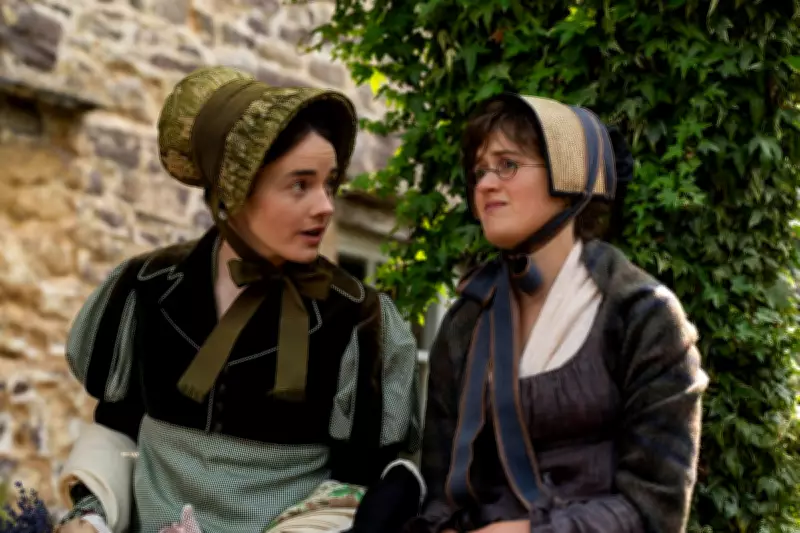
The BBC's latest adaptation, The Other Bennet Sister, places the beleaguered, bespectacled Mary Bennet from Pride and Prejudice front and centre, creating a delightfully awkward protagonist. Starring Ella Bruccoleri as Mary, this ten-part series based on Janice Hadlow's novel offers a refreshing alternative to the recent trend of overly sexualised period dramas.
A Welcome Antidote to Modern Period Drama Trends
Recent literary adaptations have embraced a notably sensual approach, with productions like Bridgerton setting the standard for erotic female fantasies adorned in elaborate costumes. Emerald Fennell's controversial Wuthering Heights essentially served as a visually stunning platform for Jacob Elordi and Margot Robbie's passionate encounters across various outdoor settings. Similarly, the raunchy reboot of A Woman of Substance has been described by critics as combining Riders-style romantic escapades with Succession-like drama.
The Other Bennet Sister emerges as the perfect counterbalance to this wave of uninhibited sensuality. This adaptation proves that compelling storytelling doesn't require climbing-the-walls steaminess, instead focusing on character development and authentic emotional journeys.
Mary Bennet's Plight and Journey
Ella Bruccoleri, known for her role in Call the Midwife, portrays Mary Bennet, the dowdy younger sister of Elizabeth Bennet. While each of her four siblings receives praise for at least one exceptional quality—Jane for her beauty, Elizabeth for her quick wit, Kitty for her amenability, and Lydia for her vivacity—poor Mary faces daily reminders of her perceived inadequacies.
Ruth Jones delivers a perfect performance as the spiteful and melodramatic Mrs. Bennet, constantly informing Mary that no one will ever want to marry her under any circumstances. "To be poor and handsome is misfortune enough," Mary reflects in the opening scene, "but to be penniless and plain is a hard fate indeed."
The series begins with familiar Pride and Prejudice territory: Mary's elder sisters transcend their family circumstances through advantageous marriages. Behind the scenes, we witness Mary's futile attempts to attract the ridiculous Mr. Collins, played with conceited buffoonery by Ryan Sampson. After receiving coaching from family friend Charlotte Lucas, portrayed by Anna Fenton-Garvey, Mary watches helplessly as Charlotte secures Mr. Collins's proposal instead.
"You cannot seriously believe the life of an old maid is to be preferred," Charlotte tells a wilting Mary, emphasising that women of their class face only two options: "marriage or misery."
A Coming-of-Age Story with Authentic Growth
From this starting point, the narrative follows Mary as she tentatively ventures into the wider world, attempting to build a life in London distinct from her sisters' experiences. Her journey represents an escape from the childhood narrative that she is inherently unlovable.
Bruccoleri's performance is pitch-perfect, capturing Mary's charming awkwardness and discomfort in her own skin. The character searches for her true identity beneath weighty books, sombre piano-playing, and memorised facts. While the story follows an ugly-duckling-to-swan trajectory, it avoids clichéd makeover moments where glasses are removed to reveal hidden beauty.
Instead, the series presents a gorgeously slow unfurling as our self-conscious protagonist, through numerous missteps and confidence crises, gradually finds her voice. She receives support from her endlessly kind aunt and uncle, portrayed by Indira Varma and Richard Coyle, alongside potential love interests Mr. Hayward and Mr. Ryder, played by Dónal Finn and Laurie Davidson respectively.
Breathing New Life into Familiar Territory
The series maintains a familiar feel with characters we recognise and dialogue faithfully reflecting Austen's original language and tone. However, the decision to chart Mary's coming of age as an underdog-turned-unlikely-heroine injects fresh vitality into the buttoned-up world of Georgian England.
For dedicated period drama enthusiasts who have watched countless Austen adaptations, The Other Bennet Sister provides the ideal combination: all the comfort-watching pleasure of a beloved classic with the anticipation of following a previously overlooked character on a brand new journey of self-discovery.
While sex may sell in modern adaptations, there's equal appeal in watching the forgotten middle child finally receive her due recognition. This adaptation proves that compelling storytelling can emerge from character depth rather than sensationalism, offering viewers a genuinely charming and thoughtful addition to the Austen adaptation canon.