Indigenous Protesters Block Cargill Facility in Brazil Over President Lula's Waterway Decree
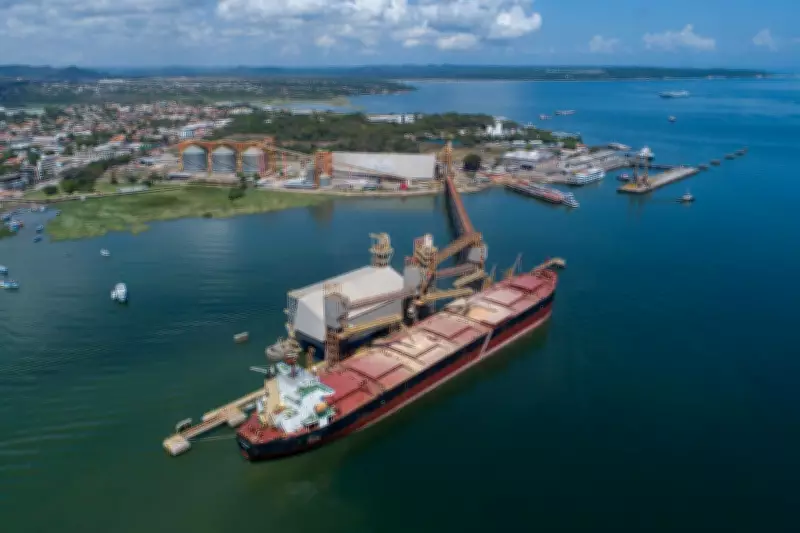
Hundreds of Indigenous people have been staging a protest for nearly a week at a Cargill facility in Santarem, located in northern Brazil. The demonstration is a direct response to a decree signed in August by President Luiz Inácio Lula da Silva, which permits the federal government to consider private concessions for waterways. This policy shift transfers responsibility for maintenance, dredging, and vessel traffic management to private operators.
Community Consultation and Environmental Concerns
The protest is being led by the Tapajos and Arapiuns Indigenous Council, an organisation representing fourteen Indigenous peoples in Para state. The council has accused the government of failing to consult affected communities, a requirement under both national legislation and international conventions. The group warns that dredging projects associated with the decree pose a significant threat to the Tapajos River, Indigenous territories, and the delicate environmental balance of the Amazon rainforest.
Protesters have vowed to remain at the site until the Lula administration revokes the controversial decree. They specifically targeted Cargill, one of the world's largest agricultural commodity traders, because they view the company as a symbol of predatory agribusiness. The protesters allege that Cargill pressures the government to support projects that endanger the rainforest.

Indigenous Demands and Government Response
"All we want is awareness and for the government to acknowledge that it made a mistake and must respect our rights, including by honoring what it promised during COP30," said Indigenous leader Auricelia Arapiun. She referred to the annual U.N. climate conference held last year in Belem, the capital of Para state, which is approximately 550 miles by boat from the Cargill plant. "There is no point in talking about a climate plan or pledging to defend the environment, the Amazon or the climate while attacking them more than protecting them. The rhetoric is one thing. The practice is another," she added.
Cargill has confirmed that the presence of protesters at the main truck gate has blocked vehicles from entering and leaving its terminal. The company stated it respects the right to protest but emphasised that "the issue raised is a matter over which it has no authority or control."
The Secretariat-General of Brazil's Presidency, the office responsible for dialogue with social movements, has stated it is committed to conducting free and prior consultation before any intervention related to the Tapajos waterway concession, noting that the process is ongoing. The office also confirmed it has met with civil society representatives.
Broader Infrastructure and Environmental Implications
Indigenous groups reported holding a virtual meeting with government officials last Sunday and expect them to attend an in-person assembly at the protest site on Friday. The government office did not specify whether it would attend.
In a statement issued in November, the office of Lula's Chief of Staff highlighted that the Tapajos River is part of a network of Amazon waterways that moves about 41 million metric tons of cargo annually. Policy analyst Renata Utsunomiya, from the Infrastructure and Socioenvironmental Justice group, explained that plans to dredge the Tapajos River are connected to other major Amazon infrastructure projects.
These projects include a proposed railway, driven by demand from the agricultural commodities sector—particularly soy and corn—along a key export corridor. "A waterway concession with expanded dredging and shipping capacity, combined with the Ferrograo railway, would increase pressure on Indigenous territories and protected areas, fueling deforestation, land grabbing and other long-standing impacts in the region," Utsunomiya warned.