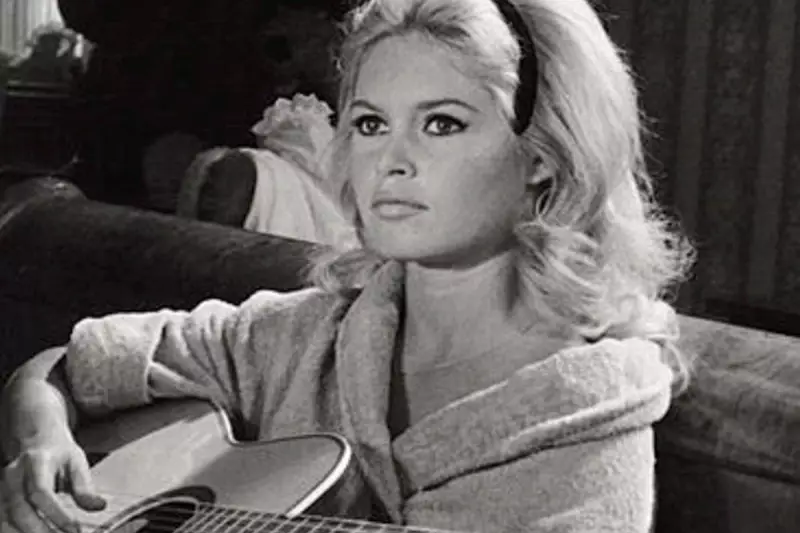
The world of cinema and animal advocacy is in mourning following the death of French icon Brigitte Bardot at the age of 91. The actress, who famously swapped her film career for a life dedicated to animal rights activism, passed away at her home in southern France.
From Screen Siren to Animal Saviour
Brigitte Bardot, known globally by her initials BB, rose to international stardom in the late 1950s. Her role in Et Dieu Crea La Femme (And God Created Woman) in 1956, directed by her then-husband Roger Vadim, cemented her status as a post-war sex symbol and a figure of sexual liberation. She collaborated with acclaimed French New Wave director Jean-Luc Godard on films like Contempt (1963) and Masculin Feminin (1966), and received a BAFTA nomination for Viva Maria in 1967.
However, in a dramatic shift, Bardot quit acting in the 1970s to devote herself entirely to animal welfare. She founded the Brigitte Bardot Foundation and became a powerful, if sometimes controversial, voice for the cause.

Tributes from Peta and Political Figures
Ingrid Newkirk, President of People for the Ethical Treatment of Animals (Peta), led the tributes, describing Bardot as "an angel for animals". In a heartfelt statement, Newkirk recalled how Bardot sold her jewellery to start an animal sanctuary and was a lifelong vegetarian. "She once said that only through protecting animals did she truly bloom," Newkirk stated, urging the public to honour Bardot's memory by performing an act of kindness for an animal.
French President Emmanuel Macron paid homage on X, writing that Bardot "embodied a life of freedom", referencing her films, her voice, and her "generous passion for animals". Her face was once used as the model for Marianne, the national symbol of the French Republic.
Far-right politician Marine Le Pen, whom Bardot supported and once called "the Joan of Arc of the 21st century", said the actress was "incredibly French: free, untamable, whole".
A Legacy of Activism and Controversy
Bardot's activism was relentless. She campaigned vigorously with Peta against Canada's annual seal slaughter and the sale of foie gras at Fortnum & Mason. Her foundation's statement confirmed her death and vowed to continue her work "now more than ever".
Her later years were also marked by controversy. She was fined multiple times for inciting racial hatred and faced criticism for her support of Le Pen's National Front party. In 2018, she criticised the #MeToo movement, calling actresses who came forward with harassment claims "hypocritical". A lawsuit from her son, Jacques Charrier, over invasion of privacy further damaged her public reputation.
Bardot was married four times: to director Roger Vadim (1952), actor Jacques Charrier (1959), millionaire Gunter Sachs (1966), and finally to Bernard d'Ormale, an adviser to Marine Le Pen, in 1992.
Despite the controversies, her impact on animal welfare is undeniable. As wildlife presenter Anneka Svenska posted on X, "animals were safer because she existed". The legacy of Brigitte Bardot, the screen legend who became a fierce protector of the voiceless, will be defined by both her dazzling stardom and her decades of uncompromising activism.