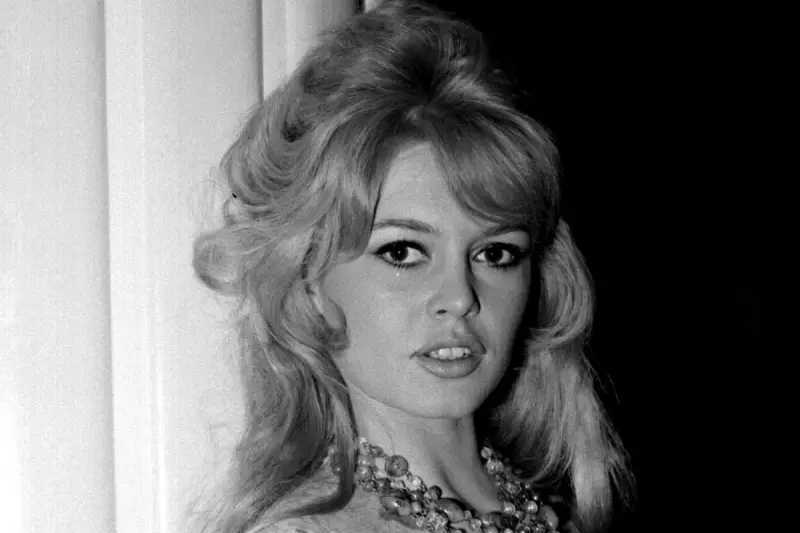
The world has bid farewell to one of cinema's most enduring icons. Brigitte Bardot, the French actress who became a global sex symbol before dedicating her life to animal rights, has died at the age of 91. Her passing was confirmed by the foundation she established.
From Ballerina to Global Film Star
Born in Paris in 1934, Bardot initially trained as a ballerina before her striking looks and charismatic presence propelled her onto the silver screen. She achieved international fame in the late 1950s, a period when post-war Europe was embracing a new sense of liberation. Her spirited performances captured this zeitgeist perfectly.
The film that cemented her status was Et Dieu Crea La Femme (And God Created Woman), released in 1956. Directed by her then-husband Roger Vadim, the movie was notable for pushing boundaries in its sexual representation. Often referred to by her initials 'BB', she starred in dozens of films, including notable collaborations with acclaimed French New Wave director Jean-Luc Godard on Contempt (1963) and Masculin Feminin (1966).

A Second Act: Championing Animal Welfare
In a move that surprised the world, Bardot stepped away from the glamour of showbusiness at the height of her fame. She channelled her energy and resources into a cause she held dear: animal rights. She founded The Brigitte Bardot Foundation, an organisation dedicated to animal protection.
Her commitment was profound and personal. She auctioned off jewellery and personal belongings to fund the foundation's work, stating it cost her both luxury and safety. Bardot became a vocal campaigner against the commercial slaughter of baby seals and condemned the use of animals in laboratory experiments.
In a 2007 interview, she starkly summarised her philosophy: "Man is an insatiable predator. I don't care about my past glory. That means nothing in the face of an animal that suffers, since it has no power, no words to defend itself." The foundation confirmed her death at her home in southern France, vowing to continue her legacy "with the same passion and unwavering commitment."
A Complex Legacy and National Tributes
Bardot's later years were marked by controversy alongside her activism. She faced convictions for inciting racial hatred related to comments about French Muslims in her 2004 book and a 2006 letter. She also voiced support for the French far-right and, in 2017, criticised the #MeToo movement, calling some accusers "hypocritical."
Despite this, her status as a cultural icon remained unassailable. French President Emmanuel Macron led tributes, posting on X: "Her films, her voice, her dazzling glory... Brigitte Bardot embodied a life of freedom. A French existence, universal brilliance. She touched us. We mourn a legend of the century." He described her face as having become 'Marianne', the national symbol of the French Republic.
Brigitte Bardot's life traced a remarkable arc: from aspirational ballerina to one of the world's most photographed women, and finally to a relentless, if contentious, advocate for the voiceless. Her image defined an era of European cinema, while her second act demonstrated a fierce, uncompromising passion that ensured her name remained in headlines for decades beyond her film career.