As 2026 dawns, dedicated gardeners across the UK are being urged to look ahead and plan their horticultural year. A carefully structured calendar is key to a flourishing garden, ensuring no vital task is missed as the seasons turn. This comprehensive guide, drawing on expert advice, provides a detailed roadmap of essential jobs for each month of the coming year.
Winter Foundations and Early Spring Vigilance
The gardening year begins in earnest during the colder months. In January, focus shifts to protection and preparation. Insulate outdoor taps to prevent freezing and undertake repairs to structures like fences, greenhouses, and sheds. On dry, windy days, remember to water container plants, as emerging growth will need moisture. This is also the prime time to prune wisteria and order seeds for the season ahead. Those with a frost-free greenhouse can get a head start by sowing early crops like lettuce, radishes, and carrots under glass.
February calls for strategic pruning. Target large-flowered clematis varieties such as ‘Perle d’Azur’ and ‘Ville de Lyon’, which bloom on new growth. Deciduous hedging should be cut back before birds begin nesting. If conditions allow, plant summer-flowering bulbs like lilies and introduce bare-root shrubs, including roses and raspberry canes, to the soil.

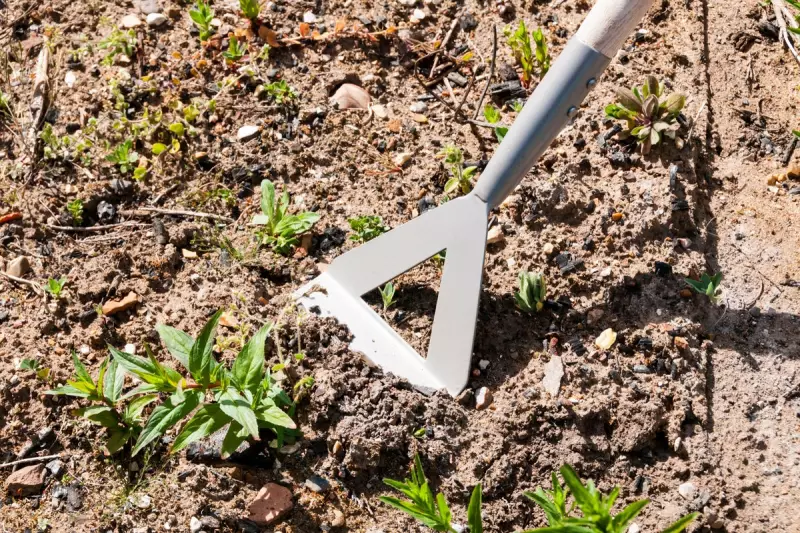
As the soil warms in March, active cultivation resumes. Begin weeding diligently, removing seedlings by hoe and tackling persistent weeds by hand. It's an excellent time to plant pot-grown trees and shrubs. Prune roses, Buddleia, and winter-stem dogwoods. Enrich your beds by applying a 5cm deep mulch of organic matter and consider laying new turf while moisture levels are favourable.
Spring Growth and Summer Abundance
April demands vigilance against slugs, which can devastate young plants. Employ beer traps, eggshell barriers, or biological nematode controls. Deadhead spent daffodils to direct energy back into the bulbs and continue sowing vegetables like broad beans directly into prepared ground. This is also the moment to clean out and divide plants in overcrowded ponds.
Once the frost risk passes in May, introduce summer bedding to borders and containers. Prune early-flowering shrubs like forsythia to encourage future blooms. Maintain lawn care with regular mowing and feeding, and sow tender crops such as French beans and courgettes indoors. Protect developing strawberries by placing straw underneath the plants.
June is for consolidation and care. Plant out tomatoes and begin a regular feeding regime. Fill gaps in borders and remove dead growth from shrubs that have finished flowering. Thin out fruit on apple and pear trees to prevent branch damage and improve fruit size. Lift spent spring bulbs for storage and be diligent with watering and feeding containers and hanging baskets.
Late Summer Harvests and Autumn Preparation
In July, harvest lavender for drying and make holiday watering arrangements. Ensure wildlife has access to water and prune once-flowering roses after their display. Propagate shrubs like ceanothus from semi-ripe cuttings and keep greenhouse crops well-fed and watered.
August is a month for propagation and tidying. Collect seeds from favourite plants, plant autumn-flowering bulbs, and take cuttings from pelargoniums. Remove diseased leaves from around roses to prevent issues next season and allow sunlight to reach tomato fruits by removing some foliage.
As autumn arrives in September, plant spring bulbs and lift and divide overcrowded perennials. Prepare ponds for leaf fall with netting and start a new compost heap with garden waste. Give the lawn some attention and focus on harvesting and preserving your vegetable gluts.
Winterising the Garden
October tasks include raking leaves to make leaf mould, potting herbs for the windowsill, and lifting summer bulbs like gladioli for storage. Reseed any bare patches on the lawn.
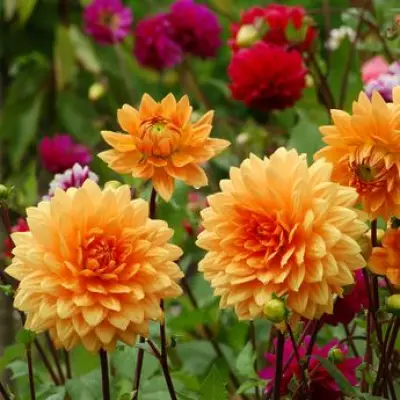
Use November to plant tulip bulbs and provide winter protection for new shrubs and trees. Wrap pots in insulating material, lift dahlias for storage, and check stored produce for disease. Remember to leave some garden debris to provide habitats for overwintering wildlife.

Finally, in December, create winter colour with containers of skimmia and hellebores. Gather foliage and berries to make a Christmas wreath and harvest Brussels sprouts, parsnips, and leeks for the festive table.