Police are investigating a series of disturbing incidents across eastern England after dozens of wild geese were slaughtered, apparently to supply meat for Christmas dinners.
Birds Found Butchered and Dumped
In two separate discoveries earlier this month, the bodies of 70 geese were found dumped in Cambridgeshire and Norfolk. Many of the birds had been butchered, with their breast meat removed.
The first gruesome find occurred on December 7 in Wisbech, Cambridgeshire, where 39 pink-footed geese and one pigeon were left by the roadside. Their necks were tied with blue string, and they had been processed for their breast meat.

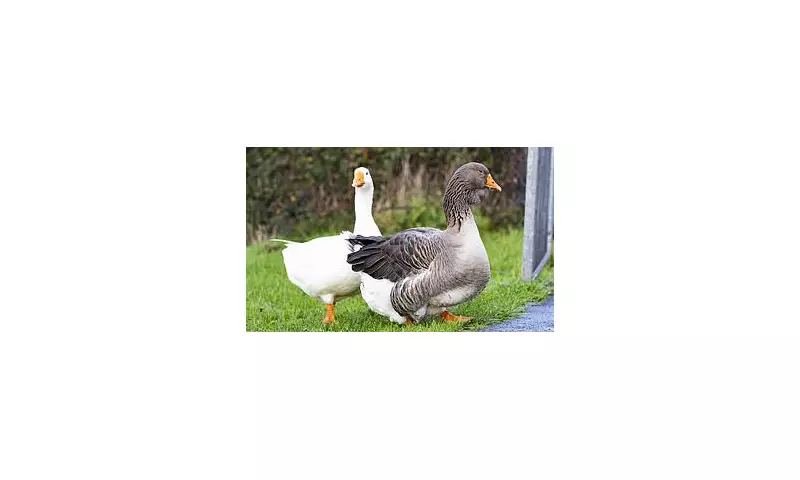
Just over a week later, on December 15, a further 31 greylag geese were discovered in a similar condition at Terrington St Clement in Norfolk. The discovery was reported to the local council.
Organised Poaching Suspected
Local authorities have expressed serious concerns about the nature of the killings. Sandra Squire, a member of King’s Lynn and West Norfolk council's environment committee, highlighted the scale of the operation.
"We don’t know whether they were humanely killed, we don’t know how they were butchered and whether it was hygienic, so we don’t know if they are fit for human consumption," she stated.
She strongly suggested the activity was not for personal use, adding: "That level of meat is more than just for personal use. It's definitely organised, and we're hoping it doesn't happen again."
Despite the alarming finds, police in Norfolk indicated that no wildlife offences had been committed because geese can be shot legally under certain circumstances. The investigation appears to focus on the methods and hygiene of the butchering, rather than the act of killing itself.
Welsh Residents Form 'Goose Watch' After Thefts
Meanwhile, fears of festive poaching have spread to south Wales. Residents in Newport have established a Goose Watch group after five privately-owned geese vanished last week.
Allan Morris, a councillor for the city's Liswerry ward, said he had been contacted by a concerned owner. "Over the past week I've been contacted by the owner, and he's concerned that five of his geese have gone missing and people are taking them for food," he explained.
He linked the thefts to the time of year and economic pressures: "They've significantly reduced the numbers and it's no coincidence that Christmas is coming up, times are hard and the geese are getting nicked." He urged anyone seeking goose for their Christmas meal to "go to a supermarket or butchers."
In an online post, Mr Morris issued a stern warning: "Seriously, it's not funny. If you see anyone harassing or trying to capture one of the geese or ducks, please challenge them or ring one of the ward councillors and we will notify the owner."
The Festive Demand for Goose
The incidents highlight the demand for goose meat during the festive period. While turkey remains the UK's most popular Christmas centrepiece, with an estimated nine million consumed, goose is considered a more luxurious alternative.
According to the British Poultry Council, about 250,000 geese are eaten at Christmas in Britain. Prized for its rich flavour, a single goose can typically feed around six people.
The recent attacks raise significant questions about food safety, animal welfare, and the potential rise of organised poaching rings seeking to profit from the seasonal demand.