Gardeners looking for a fruitful and space-saving addition to their outdoor space have been given a perfect winter planting tip by a leading horticultural expert. Bex Edwards from You Garden is championing the Cherry Stella as the ideal tree to plant during the colder months, promising a generous annual harvest despite its modest stature.
The Compact Powerhouse: Cherry Stella's Key Benefits
In a recent TikTok video, Edwards highlighted the tree's outstanding qualities. She explained that the Cherry Stella is a dwarf fruit tree that, when fully mature, will reach only about two and a half metres tall. This makes it an excellent choice for smaller gardens or even large patio containers.
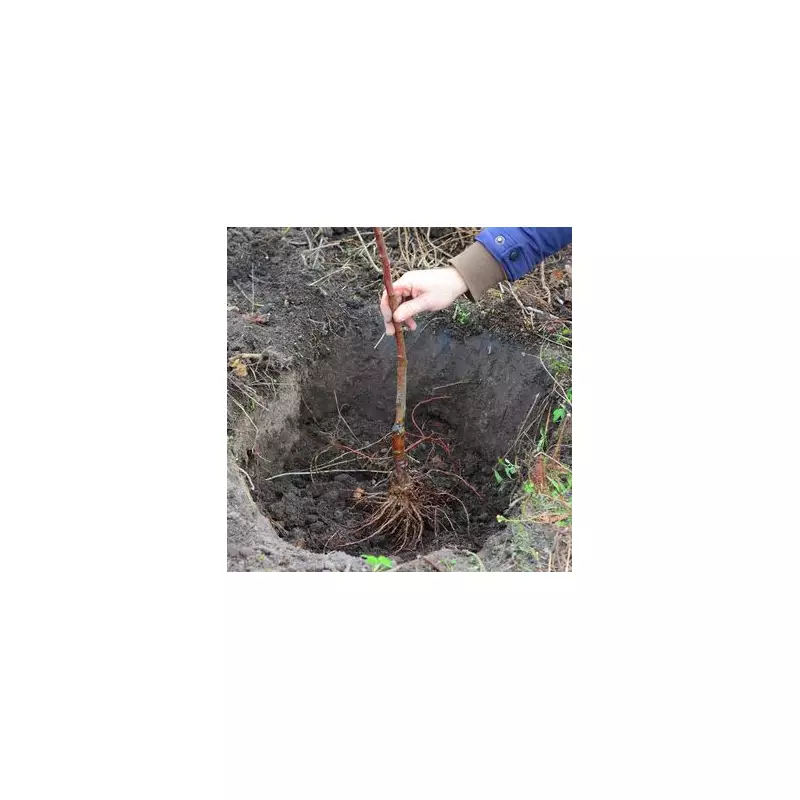
The secret to its manageable size lies in its cultivation. Edwards pointed out that these trees are grafted onto special rootstock, a skilled process that naturally limits their growth. "You can see the graft point - the knobbly bit," she said, indicating how this technique "keeps it nice and compact."

Despite its small size, the tree is remarkably productive. Once established, a single Cherry Stella can yield up to 5kg of gorgeous sweet cherries every year. Edwards also emphasised that, as a bare root plant available from October right through to early April, it is a very budget-friendly option, as it requires no pot or compost at the point of purchase.
How and When to Plant Your Fruit Tree
For those ready to plant, the process is straightforward. Edwards advises gardeners to soak the bare roots overnight before planting. She confirmed the tree is completely winter hardy and can stay outdoors in the garden all year round, requiring no greenhouse protection.
Patience is needed for the first harvest, however. The gardening pro noted it takes a year or two for the tree to get settled. After this period, it will reward you with a display of white blossom in spring, followed by the ripe, juicy cherries in summer.
The compact form offers practical advantages beyond saving space. Edwards highlighted that you can always pick from standing height, and its smaller size makes it easier to protect from birds with netting, ensuring you get to enjoy the full crop.
Expert Guidance for Success
The Royal Horticultural Society (RHS) offers complementary advice for growing cherry trees successfully. They recommend planting in fertile, well-drained soil that doesn't waterlog or dry out excessively.
For the sweetest fruit, a sunny spot is ideal, though some varieties can tolerate partial shade. A key advantage of many modern varieties like the Cherry Stella is that they are self-fertile, meaning you only need one tree to get a good crop.
Finally, the RHS echoes Edwards's point about bird protection, suggesting it's best to net the tree or use a fruit cage if you wish to claim the entire harvest for yourself. By planting now, you invest in a source of delicious, home-grown fruit for many summers to come.