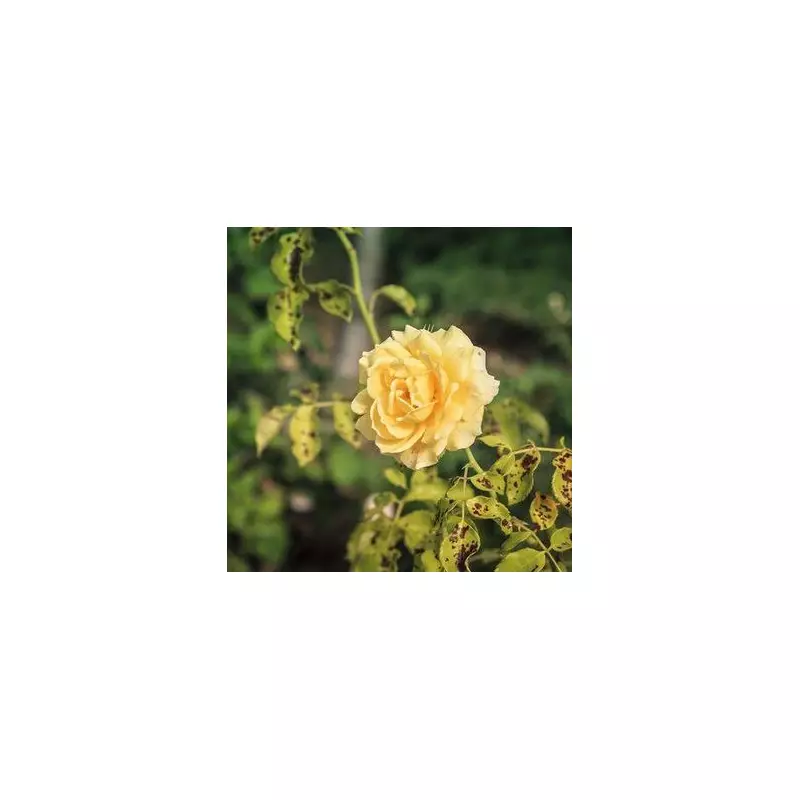
Gardeners can ensure their roses remain healthy and free from the unsightly black spot disease by applying a few crucial prevention methods, according to leading horticultural specialists.
Understanding the Black Spot Threat
Black spot fungus initially manifests as dark patches on rose leaves, which can appear black, deep brown, or even have a purplish tint. The problem typically starts on the lower leaves, closest to the soil, where rain splash can easily transfer fungal spores from the ground onto the plant.
Over time, these unsightly spots grow and often merge into larger blotches. This causes the affected foliage to turn yellow and eventually fall off. This premature leaf drop is particularly damaging as it robs the rose plant of essential surface area required for photosynthesis, weakening it significantly.

The fungal disease survives the winter by lying dormant in fallen leaves and on old, infected stems. As the Express reports, it reactivates with the warmer, moist weather of spring, attacking new growth. The spores spread through air currents, moisture, and can even be transferred on contaminated gardening tools.
Prevention: The Ultimate Cure
With this lifecycle in mind, the experts at David Austin Roses have emphasised that prevention is truly "the best medicine" in the fight against black spot.
Their first crucial piece of advice concerns watering technique. "Try to water your roses only at the base," they advise. "Wet leaves provide a perfect landing pad for spores to germinate and infect." If overhead watering is unavoidable due to a garden's setup, they recommend doing it early in the morning so the sun can quickly dry the foliage.
Beyond smart watering, proper nourishment is vital for building a rose's natural defences. Feeding roses with a balanced, slow-release fertiliser maintains their vigour throughout the growing season, making them more resilient to disease.
Essential Clean-Up and Winter Care
When black spot does appear, immediate action is required. Remove and dispose of all affected leaves and prune any infected stems. It is critical to be meticulous in gathering all fallen leaves and old plant debris.
Do not add this infected material to your compost heap, as this will simply allow the fungus to return and reinfect your plants later. Instead, seal it in bags or place it directly in the green waste bin.
With winter underway, now is the perfect time for pruning roses. This practice improves air circulation around the plant, reducing the humid conditions in which black spot thrives. After pruning, applying a generous layer of mulch, about two inches deep, can help suppress any lingering spores in the soil and maintain consistent moisture levels. Excellent choices for mulch include compost, leaf mould, or other organic soil improvers.