Across the United Kingdom and beyond, a quiet revolution is taking root. In response to what experts describe as a historic epidemic of loneliness and disconnection, ordinary citizens are forming grassroots groups to rebuild the vital bonds of community. From rural farming cooperatives to inner-city neighbourhood projects, these initiatives offer a powerful antidote to modern social isolation.
From Farm to Community: The Cooperative Model
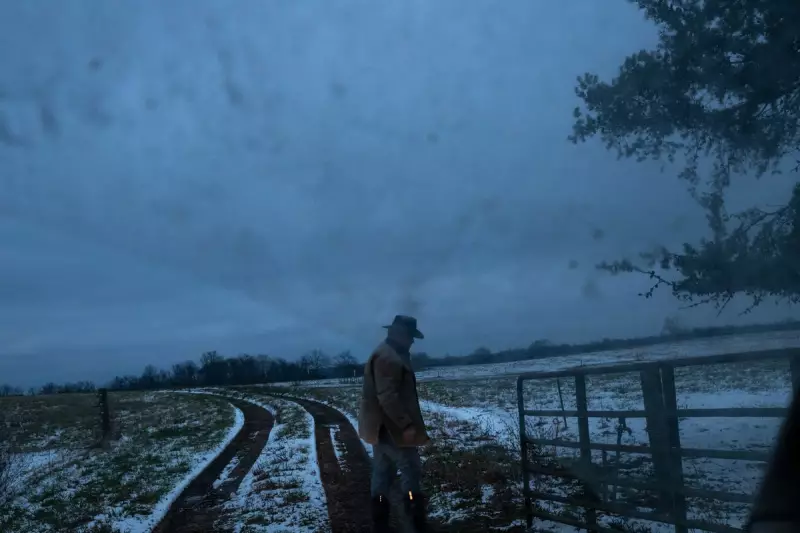
In the rolling hills of Port Royal, Kentucky, Josh and Ashley Pyles embody this spirit. Josh grew up on the farm they now operate, Blue Meadow Beef, while Ashley was new to farming. Together with their three children, they raise beef cattle for local consumers, driven by a mission to provide affordable, natural food. The work is relentless, involving feeding hundreds of cattle and constant monitoring during calving season, and it can be profoundly isolating.
However, they are not working in solitude. The Pyles family is a key part of Our Home Place Meat, a small cooperative of cattle farmers. This collective aims to support small-scale producers by securing stable markets and reliable income, supplying area restaurants and individual buyers. Beyond economics, the cooperative has a deeper goal: to preserve and strengthen land-conserving communities for generations to come.

Urban Intentionality: Building Blocks on a Baltimore Street
This drive for connection is not confined to the countryside. In a Baltimore neighbourhood, a different model thrives. In October, residents and visitors gathered for a Finding Home Potluck and Homestead Tour, organised by the nonprofit Baltimore Gift Economy.
The event showcased an "intentional community" on Collins Avenue, where neighbours make a conscious commitment to support one another. They collaborate on daily tasks such as raising backyard chickens, sharing rides, and providing childcare. "On this street, it's just a different world," said Ulysses Archie of the Baltimore Gift Economy. "It's about the intentionality of really getting to know people and getting engaged with people."
Healing Trauma Through Community Resilience
In Pittsburgh, the approach addresses deep-seated urban challenges. The Neighborhood Resilience Project focuses on "trauma-informed community development," aiding areas long afflicted by crime, gun violence, racism, and displacement.
The Reverend Paul Abernathy, pastor and founder of the project, frames this work in spiritual terms. The initiative operates from St. Moses the Black Orthodox Church, which shares its space with an Orthodox ministry. "There's many different things that we do in terms of the specific services that we offer," Abernathy explained. "But really, we're only doing one thing. And that one thing that we're doing is developing community."
These diverse examples—from a Kentucky farm cooperative to Baltimore neighbours and Pittsburgh trauma healers—illustrate a growing, vital movement. At a time when disconnection has reached epidemic levels, these grassroots efforts are proving that the solution to social isolation lies in the deliberate, courageous act of building community, one connection at a time.