In a significant policy reversal, the Labour government has scaled back its controversial plans to increase inheritance tax on agricultural assets following months of intense pressure from the farming community.
A Major Concession After Months of Protest
The government announced on Tuesday 23 December 2025 that it would substantially increase the threshold for 100 per cent inheritance tax relief on qualifying agricultural or business assets. The individual threshold has been raised from £1 million to £2.5 million.
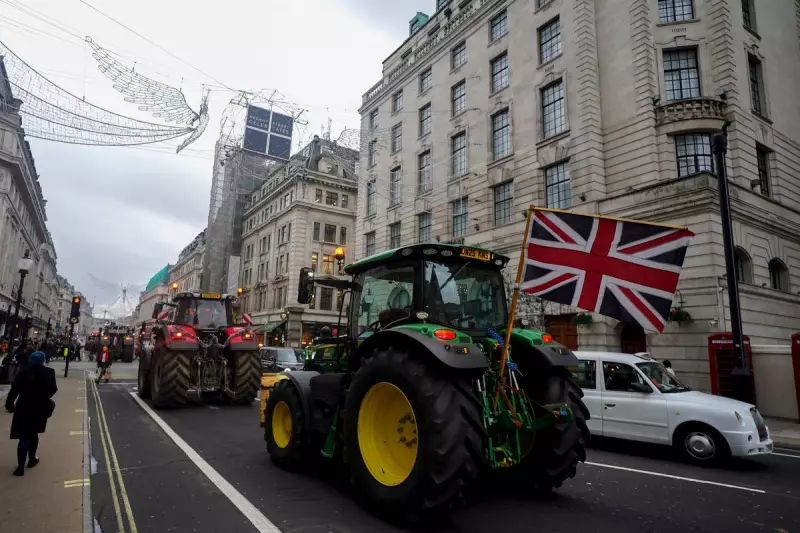
This change means that spouses or civil partners will be able to pass on a combined total of up to £5 million in assets before any inheritance tax becomes due, on top of existing personal allowances. The move represents a major climbdown from the initial proposals, which had been branded a 'tractor tax' by furious farmers who brought their machinery to London in protest on the day of the Autumn Budget.

Government Listens to Rural Backlash
Environment Secretary Emma Reynolds stated that the government had listened to the concerns raised across the country. "Farmers are at the heart of our food security and environmental stewardship, and I am determined to work with them to secure a profitable future for British farming," she said.
"We have listened closely to farmers across the country and we are making changes today to protect more ordinary family farms," Reynolds continued. "We are increasing the individual threshold from £1m to £2.5m which means couples with estates of up to £5m will now pay no inheritance tax on their estates."
Larger Estates to 'Contribute More'
The Environment Secretary framed the revised policy as a balanced approach, aiming to shield family-run operations while ensuring larger holdings contribute. "It's only right that larger estates contribute more, while we back the farms and trading businesses that are the backbone of Britain’s rural communities," she concluded.
The announcement follows sustained and fierce protests by the agricultural sector, which argued the original plans threatened the viability of inter-generational family farming. The policy shift is seen as a direct response to that pressure, marking a notable concession by Prime Minister Keir Starmer's government.