Gardeners Urged to Embrace Sheep Wool for Spring Planting Success
As the spring season unfolds, horticultural enthusiasts are being strongly encouraged to incorporate sheep wool into their gardening routines without delay. This natural material is emerging as one of the most valuable assets for cultivating a healthy and productive garden during the critical growth period of spring.
The Nitrogen-Rich Natural Fertilizer
While it might initially seem unconventional to those unfamiliar with the practice, sheep's wool contains natural oils that are exceptionally rich in nitrogen. Nitrogen stands as one of the most crucial nutrients that plants require for proper and vigorous development. This essential element supports the robust growth of foliage, and plants exhibit a significantly higher demand for nitrogen during the spring months compared to any other time of the year.
This increased nitrogen availability encourages the production of larger leaves, which in turn enhances the plant's capacity for energy production through photosynthesis. When flowers, fruits, vegetables, or even ornamental hedges receive an ample supply of nitrogen, they flourish far more robustly. This results in considerably more abundant leaves, vibrant blooms, or a greater yield of produce later in the growing season.

Beyond Fertilization: Multifunctional Garden Benefits
Sophie Nicol, a practising farmer and co-owner of Windrush Farm, has publicly endorsed the use of wool in her own garden, highlighting that its advantages extend well beyond simply nourishing plants. "We lay the wool around fruit bushes, vegetable beds, and young trees like a soft, earthy quilt. It's surprisingly effective," she explained.
Wool's benefits are indeed multifaceted. It does not merely release vital nutrients into the soil; it also possesses an impressive capacity to retain substantial amounts of moisture. This characteristic helps to keep the garden soil consistently well-hydrated, thereby reducing the frequency with which gardeners need to water their plants.
This moisture retention is particularly beneficial during spring when plants are resuming active growth and have heightened water requirements. Certain crops, such as tomatoes or strawberries, demand plentiful water to develop successfully. Similarly, flowers including hydrangeas, tulips, daffodils, or any plants cultivated in containers or hanging baskets tend to dry out more rapidly. Utilising wool can therefore save gardeners considerable time, effort, and water resources throughout the season.
Weed Suppression and Pest Deterrence
When wool is spread as a mulch around plants, it also acts as an effective physical barrier, suppressing any weeds that attempt to take hold. This makes it a genuine time-saver for tackling routine gardening chores and maintenance.
However, one of the primary reasons gardeners are beginning to prize wool is its notable effectiveness against common pests, particularly slugs. The fibrous texture of the wool strips away the protective mucus layer that these creatures depend upon for movement, making them highly unlikely to venture near treated plants. Sophie Nicol added, "The texture seems to throw slugs and snails off course—an added bonus!"
An Environmentally Sound Gardening Choice
Choosing wool for garden use represents an environmentally responsible decision. It provides a natural alternative that can eliminate or significantly reduce the need for synthetic chemical fertilisers or pesticides, which can cause serious harm to local wildlife, soil health, and broader ecosystems.
Practical Guidance for Using Wool in Spring
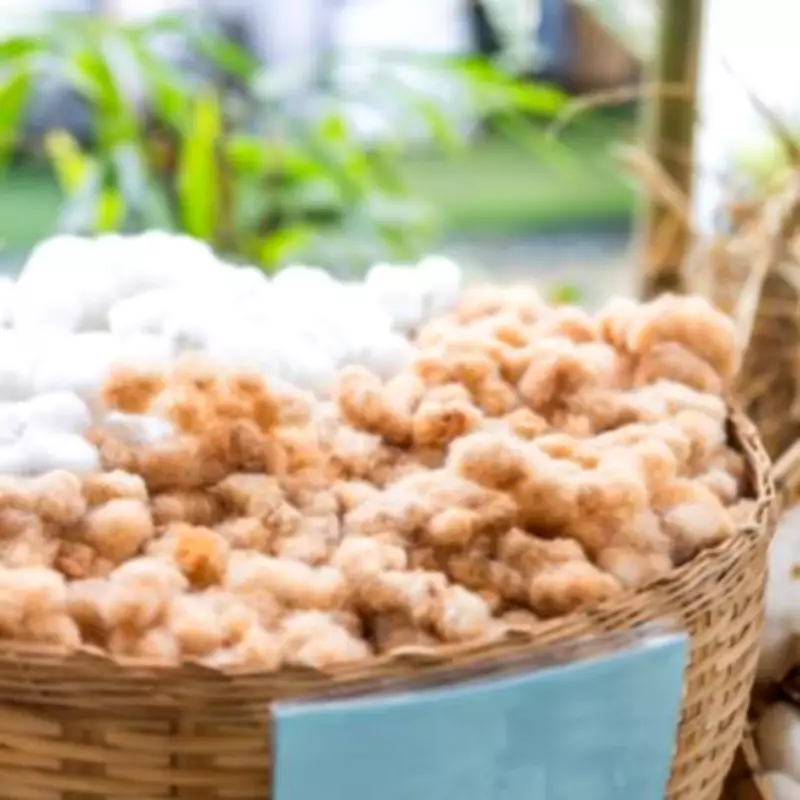
The ideal time to purchase wool is during late April and throughout May. This period coincides with the annual shearing of sheep across the United Kingdom, ensuring that plentiful and fresh supplies are readily available. Wool can be sourced from local garden centres, agricultural suppliers, or via specialised farming websites. It is typically available in several forms: in its raw, unprocessed state; compressed into convenient wool pellets; or as ready-made wool mats designed for easy application.

When applying wool to your garden, begin by clearing any existing weeds from the soil surface. Then, spread a thin, even layer of wool around your plants as a protective mulch. It is crucial to leave a small gap around the base of plant stems. Because wool retains moisture so effectively, direct contact with the foliage or stems could potentially lead to rot. Finally, thoroughly water the applied wool to help initiate the decomposition process, integrating its nutrients into the soil. This simple treatment should help keep your garden flourishing throughout the remainder of the spring and beyond.