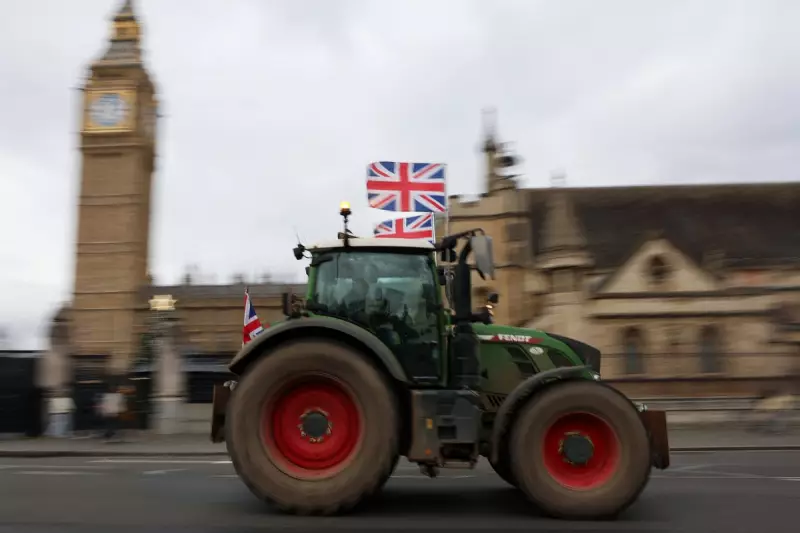
In a significant policy reversal, the Labour government has announced major revisions to its controversial plans for an inheritance tax on agricultural assets, often dubbed the 'tractor tax'. The move follows nearly a year of sustained protests from the farming community across the United Kingdom.
A Major Concession After Farmer Protests
The original proposal, unveiled by Chancellor Rachel Reeves, would have imposed a 20 per cent levy on agricultural assets valued over £1 million from April 2026. This sparked immediate and fierce opposition from farming unions and grassroots campaigns, who argued it threatened the viability of family-run farms and the UK's food security.
Under intense pressure, the government has now performed a substantial climbdown. The key change is a major increase in the individual threshold at which the tax applies. It has been raised from £1 million to £2.5 million for qualifying agricultural or business assets.

What the New Threshold Means for Farming Families
This adjustment has a substantial impact on what farming couples can pass on to the next generation. Under the new rules, couples will be able to pass on up to £5 million in assets before inheritance tax becomes due. The government states this revision is designed to better protect family farms and ensure they can be transferred without being broken up to pay tax bills.
The announcement was made on Tuesday 23 December 2025, marking a clear shift from the Chancellor's initial stance. The policy turmoil was highlighted when Labour MP Markus Campbell-Savours publicly refused to support the original inheritance tax plan on farmers, signalling internal dissent.
Mixed Reactions from Stakeholders
Farming groups have welcomed the change, though opinions on its sufficiency vary. Organisations like the National Farmers' Union (NFU) and the campaign group No Farmers, No Food have hailed the increased threshold as a hard-won victory that recognises the value of agriculture.
However, some critics within the sector argue the concession does not go far enough and that the tax still poses a threat. The Liberal Democrats have criticised the government for what they see as a delayed response, arguing that months of uncertainty and protest could have been avoided with earlier action.
This major U-turn represents one of the most significant policy revisions since Sir Keir Starmer's government took office, underscoring the potent political force of the UK's farming community and the sensitivity surrounding rural economic policy.