The UK government has stated it will keep import restrictions on certain French cheeses 'under review' as outbreaks of a serious cattle disease continue to sweep across continental Europe.
Protests and Culls in France
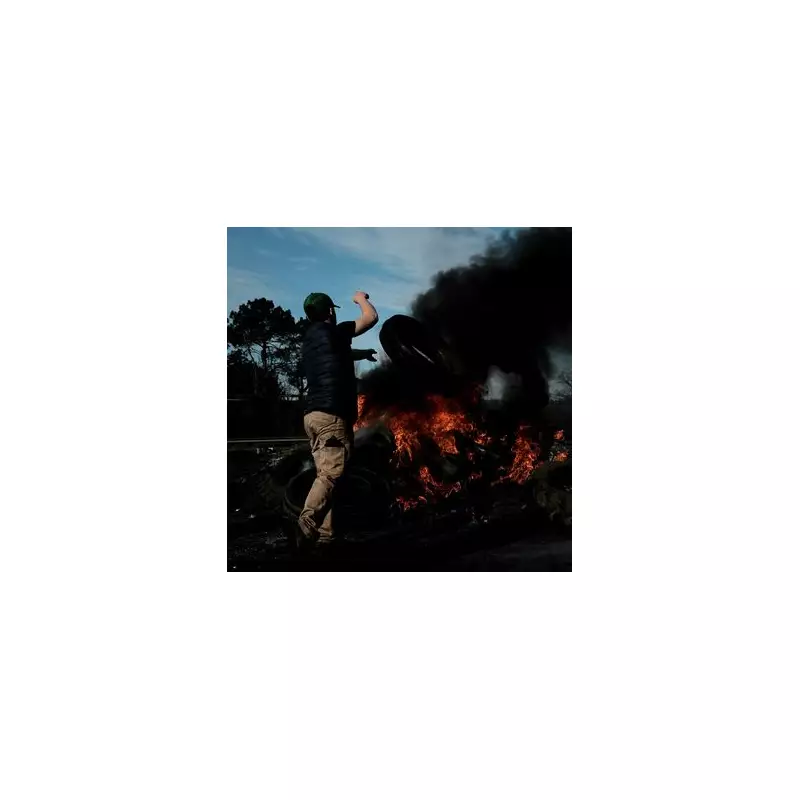
Last week, clashes erupted between farmers and police in the Ariège region of southern France. Authorities moved to cull livestock at farms with potential cases of lumpy skin disease (LSD), leading to significant unrest. Farmers formed blockades, including on the A61 motorway towards Toulouse, with more protests anticipated in the coming weeks.
Lumpy skin disease, which first arrived in Europe from Africa around a decade ago, is typically spread by fly bites. It causes fever, nasal discharge, and the growth of large, painful nodules on the skin of infected animals.

UK's Protective Import Ban
While Britain has never recorded a case of LSD, the government announced a temporary ban this summer on specific imports from affected nations to prevent the virus crossing the Channel. New outbreaks were confirmed in Italy and France in June, and in Spain in October, prompting emergency checks across the continent.
The ban in England, Scotland, and Wales currently covers the following cattle products from Italy, France, and Spain:
- Live cattle
- Germplasm
- Offal
- Raw milk and raw dairy products, including cheeses
- Certain animal by-products (like hides and skins) unless specially processed
The restrictions do not apply to Northern Ireland.
Which Cheeses Are Affected?
The ban specifically targets unpasteurised (raw milk) soft cheeses and dairy products that have not undergone sufficient heat treatment or ageing. This includes raw milk cheeses and fresh dairy products treated at temperatures lower than those used in pasteurisation. The aim is to block a potential pathway for the disease, which can be transmitted through infected cow products.
No Human Risk, Major Farming Threat
Defra has emphasised that lumpy skin disease poses no risk to human health, as it is not a zoonotic infection. The stringent measures are solely to protect the UK's cattle population and the farming industry.
The potential consequences of an outbreak in Britain are severe. During the 2001 foot and mouth crisis, over 6.5 million farm animals were culled. Current regulations could mandate similar drastic action if LSD were detected.
A Defra spokesperson told the Mirror: "This government will do whatever it takes to protect British farmers and their herds from disease. Following outbreaks of lumpy skin disease across Europe, we have strengthened protections by introducing temporary restrictions on a small amount of imports, including some cheeses."
The spokesperson added that remaining restrictions will be kept under review and maintained until imports no longer pose an unacceptable risk of introducing the disease to Great Britain.