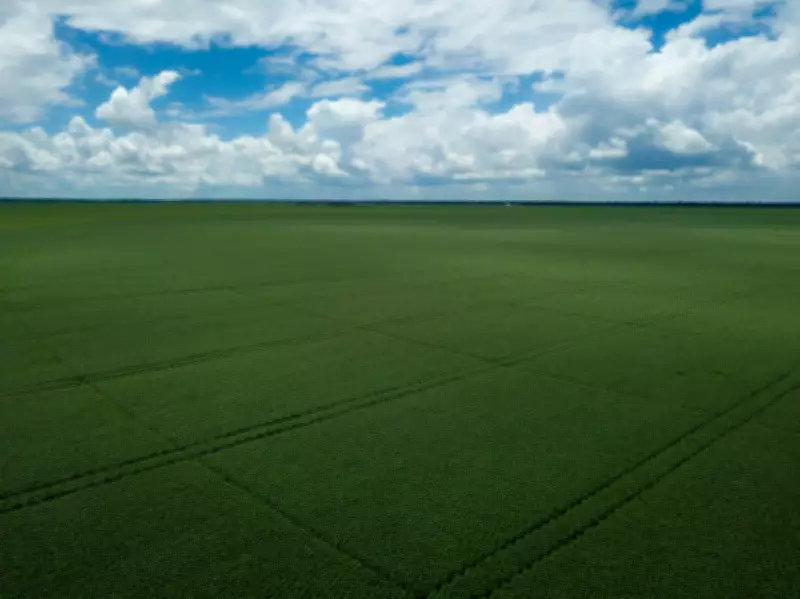
In Brazil, vast soya bean farms stretch across the landscape, a sight that underscores a critical dependency for the United Kingdom. Annually, the UK imports more than 3 million tonnes of soya, with a staggering 68% of this volume originating from South America. This reliance on imported soya is not just a statistic; it forms the backbone of the modern factory-farming model for poultry, particularly in the production of broiler chickens.
The Inextricable Link Between Soya and Poultry Production
Prof Julian Wiseman recently highlighted nuances in poultry nutrition, but the core issue extends beyond what chickens can physically consume. The factory-farming business model is fundamentally built on the availability of cheap imported soya. Over decades, fast-growing broiler breeds, such as the Ross 308 or Cobb 500, have been selectively bred in an environment where soya protein was abundant and inexpensive. This has led to a coadaptation between their genetics and feed systems, making their rapid growth heavily dependent on the dense protein provided by soya bean meal.
Soya is indeed the most complete plant protein available, which ironically amplifies the problem. In the UK, domestic soya production is negligible due to unsuitable growing conditions. To sustain large-scale meat production, the country must import massive quantities, with over 1 million tonnes used specifically for broiler chickens alone. This import-driven approach carries mounting environmental and economic risks, notably through links to illegal deforestation in source regions like South America.

Environmental and Economic Vulnerabilities
The reliance on imported soya exposes the UK's chicken farming industry to significant fragility. Cheap chicken production hinges on high volumes, tight profit margins, and this imported feedstock. As global supply chains face increasing scrutiny and potential disruptions, this model appears increasingly unsustainable. Moreover, fast-growing broilers are more prone to digestive stress due to their unforgiving growth rates, raising animal welfare concerns.
Mounting evidence suggests that slower-growing breeds, raised in less intensive systems, can thrive on a wider variety of feeds. These alternatives offer a more resilient and humane approach to poultry farming, potentially reducing dependence on soya and mitigating associated environmental harms. While Prof Wiseman's points on animal nutrition are valid, the broader argument centers on the systemic risks embedded in the current factory-farming paradigm.
Exploring Sustainable Alternatives
There are numerous viable solutions for the future of food production that do not rely on factory-farmed chicken. Embracing diversified feed sources, supporting slower-growing poultry breeds, and investing in sustainable agricultural practices could enhance resilience. The UK must critically assess its food systems to reduce environmental impacts and economic vulnerabilities tied to soya imports.
In conclusion, the cheap chicken model, underpinned by imported soya, is fraught with risks that extend beyond nutrition to encompass deforestation and supply chain instability. As the world grapples with climate change and biodiversity loss, transitioning away from this fragile system is imperative for a sustainable and ethical food future.