When nuclear accidents occur, many people envision radiation spreading uncontrollably and persisting indefinitely. The reality is more nuanced. Radioactive materials move, transform, and sometimes dissipate faster than commonly assumed.
Understanding Radionuclide Behavior
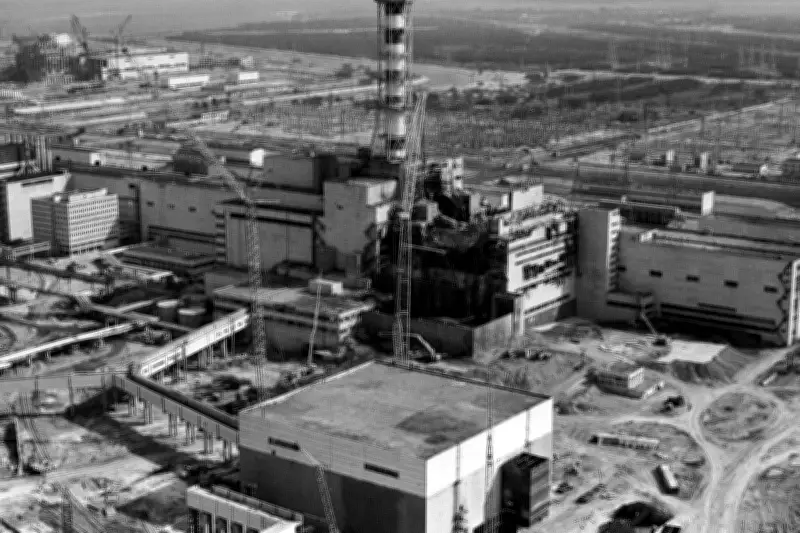
The Chernobyl disaster in 1986 and the Fukushima Daiichi accident in 2011 released radionuclides into the air, soil, and water surrounding the plants. Some radionuclides decayed rapidly, causing minimal harm, while others—primarily isotopes of iodine, cesium, strontium, and plutonium—lingered for years, impacting human health and ecosystems. Their behavior depends on chemical properties, weather, and local conditions. For instance, cesium behaves like sodium and potassium, accumulating in human tissues, while strontium mimics calcium and settles in bones.
Transport Pathways
Radioactive particles released into the atmosphere are carried by winds across regions and continents. Rain and snow deposit them onto the ground. Soil composition influences subsequent movement: some radionuclides adhere strongly, while others migrate toward groundwater or wash into water bodies. After Fukushima, radionuclides entered the ocean via direct release and runoff. Monitoring of seawater, fish, and seaweed revealed that cesium dispersed and diluted over time, with levels in seafood declining and remaining within safe limits.

From soil and water, radionuclides enter plants and animals, posing risks to humans. For example, grass absorbs radionuclides, cows consume the grass, and the contaminants appear in milk. International agencies like the IAEA, WHO, and FAO monitor food radioactivity to prevent unsafe products from reaching markets.
Measurement and Mapping
Although human senses cannot detect radiation, instruments such as Geiger counters, laboratory analyzers, and fixed monitoring stations accurately measure radiation in soil, water, air, and food. Modern technologies integrate detector data with imaging and mapping systems to create three-dimensional contamination maps, aiding cleanup efforts after Fukushima. Many countries also conduct routine environmental radiation monitoring to detect anomalies early and ensure public safety.
Remediation Strategies
Cleanup methods vary based on contamination type and extent. Common approaches include removing contaminated soil and storing it in sealed containers at licensed facilities, or covering affected areas with clean soil, clay, or concrete to act as barriers. Chemical treatments can reduce radionuclide mobility and plant uptake. After Chernobyl, potassium fertilizers were applied to limit cesium uptake by crops; similar measures were used in Fukushima, along with topsoil removal. Computer models predict radionuclide movement, helping decision-makers select optimal strategies to minimize exposure.
Long-Term Lessons
Decades of study in the Chernobyl exclusion zone have shown that radionuclide migration is influenced by soil composition, moisture, and biological activity, and that contamination can remain mobile for decades. Research has examined vertical movement through soil layers, accumulation in vegetation and wildlife, and penetration into concrete structures. These studies inform emergency response and remediation worldwide.
Effective communication after nuclear accidents is critical. Investigations revealed that information provided to the public was often delayed or inconsistent, causing confusion and mistrust. Modern emergency plans now emphasize timely, transparent communication through multiple channels to ensure public understanding of risks and protective actions.
Eduardo B. Farfán is a professor of Nuclear Engineering and Director of the Center for Nuclear Studies at Kennesaw State University. This article is republished from The Conversation under a Creative Commons license.