The UK's natural world faced a punishing year of climate-fuelled extremes in 2025, with severe drought, record-breaking heat, and devastating wildfires giving way to intense flooding, a major conservation charity has reported.
A Year Defined by Heat and Drought
The National Trust's annual review of the year for nature warned that the latest in a series of recent drought years is placing "untold strain" on habitats. The charity stated that 2025 was bookended by severe storms but defined by the warmest and sunniest spring on record, followed by a record hot summer and widespread drought.
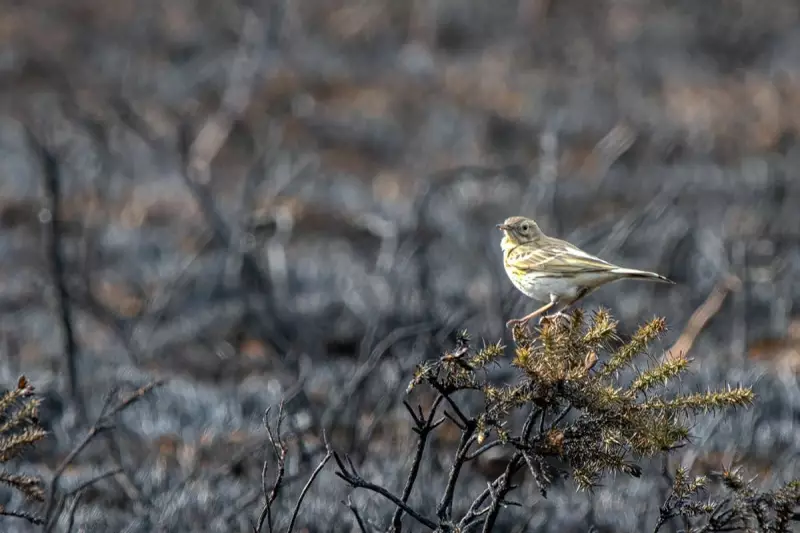
This led to streams and ponds drying up, rivers and reservoirs dwindling, and triggered the UK's worst ever fire season. A record 47,000 hectares of land burned, including precious peatland at Abergwesyn Common in Powys, where a deliberately-started blaze destroyed 1,600 hectares of peat under restoration and ripped through the last known breeding grounds of rare golden plovers in the area.
Wildlife Under Pressure
The impacts on species were severe and varied. The drought caused 40% losses in newly planted trees on Trust land, far above the expected 10-15%. Breeding ponds for great crested newts dried up in Lincolnshire, while natterjack toads at Formby produced no toadlets this year.
It was a mixed picture elsewhere. Butterflies rebounded from 2024's wet weather, but barn owls and kestrels suffered where vole numbers crashed in parched grassland. Arctic tern nests fell by 30% at Long Nanny, and puffin numbers on the Farne Islands dropped by nearly a quarter (23%).
However, some species benefited. The warm, dry conditions led to a "mast year" for fruit, berries, and nuts, helping hazel dormice fatten up. Pied flycatchers in Wales and the Peak District saw good numbers of young fledging.
Scaling Up Solutions for Resilience
Ben McCarthy, head of nature conservation at the National Trust, called the compounded impact of drought years in 2018, 2022, and now 2025 an alarm signal that cannot be ignored. "Heat, drought and fire are the defining headlines of 2025," he said.
Keith Jones, national consultant on climate change, stated these extremes are "becoming the new normal." The Trust is responding by planting more drought-tolerant trees like hornbeam, improving soil health, and creating landscapes that store water.
Critically, the report highlights that practical restoration work is making a difference. Projects like the "stage-0" restoration of the River Aller on Exmoor created wetlands that held water through the drought, supporting water voles, egrets and swifts. Beaver-created wetlands at Holnicote remained "lush" all summer, providing refuge for otters and kingfishers.
Mr McCarthy concluded that scaling up these efforts to restore rivers, wetlands and peatlands "can give wildlife and landscapes the lifeline they need" in the face of growing climate extremes.