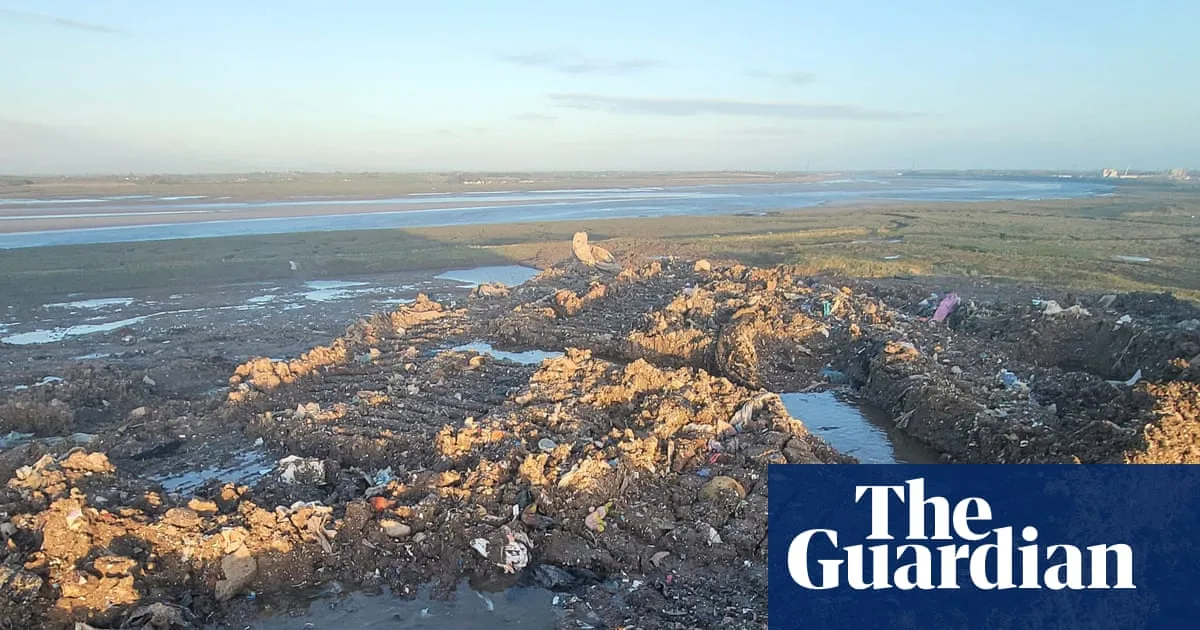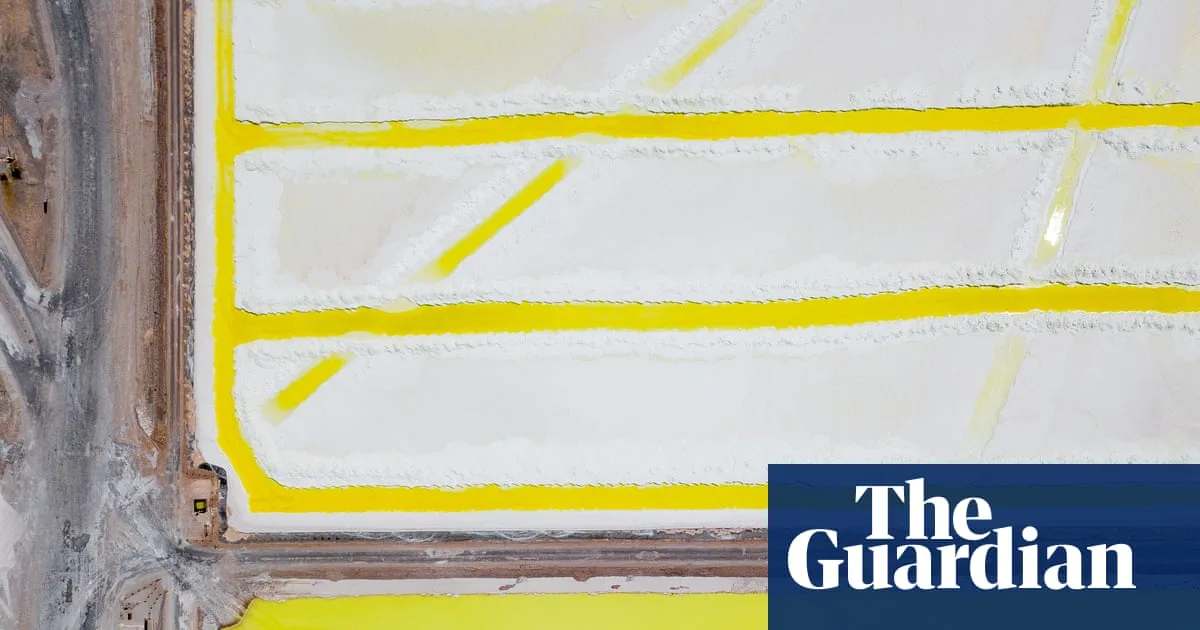
Critical minerals such as lithium, cobalt and nickel are becoming the “oil of the 21st century” as the scramble for precious metals deepens poverty and creates public health crises in some of the world’s most vulnerable communities, a report by the UN’s water thinktank has found.
The investigation by the United Nations University Institute for Water, Environment and Health (UNU-INWEH) concluded that the growing demand for lithium, cobalt and nickel used in batteries and microchips is draining water supplies, eroding agriculture and exposing communities to toxic heavy metals. An estimated 456bn litres of water were used to extract 240,000 tonnes of lithium in 2024, with little of the financial benefit or technological advances reaching affected communities.
“Critical minerals are quickly becoming the oil of the 21st century,” said Kaveh Madani, director of UNU-INWEH. “What we are selling as a solution to sustainability is actively hurting people somewhere else in the world. How can we then call the transition green or clean?” According to the International Energy Agency, lithium demand rose by nearly 30% in 2024, and production of rare earths almost tripled between 2010 and 2023.

About 700m tonnes of waste were generated by global rare-earth production in 2024. In the Democratic Republic of the Congo, one of the world’s biggest cobalt producers, extraction has caused widespread contamination of rivers used for drinking, fishing and irrigation. About 64% of people in the country lacked basic access to water in 2024, while 72% of those near mining sites reported skin diseases and 56% of women and girls reported gynaecological problems.
In Latin America’s lithium triangle, which spans Argentina, Bolivia and Chile, mining is devastating Indigenous communities. In Bolivia’s Uyuni region, some communities can no longer reliably grow quinoa, while in Chile’s Atacama salt flats, lagoons are drying up. “These salt flats are the traditional territory of several Indigenous peoples. Their agricultural and pastoral economies have been devastated,” said José Aylwin, coordinator of the lithium and human rights in ABC project.
The UN researchers warn that damage is expected to worsen because lithium production must increase ninefold by 2040, while cobalt and nickel extraction must double to meet climate targets. The authors call for legally binding global standards on mineral sourcing, tighter controls on toxic waste and water pollution, and independent monitoring of water use.