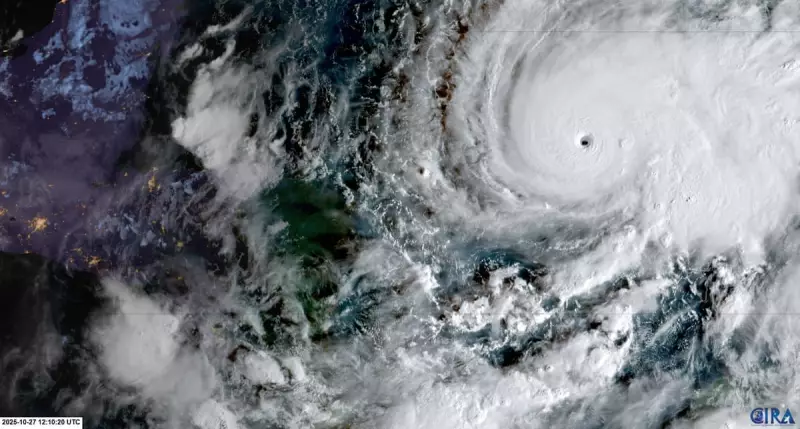
Hurricane Melissa has emerged as a terrifying testament to how climate change is rewriting the rules of extreme weather, with scientists confirming the storm's ferocious power was directly supercharged by record-breaking ocean temperatures.
The Perfect Storm: Climate Change Meets Hurricane Season
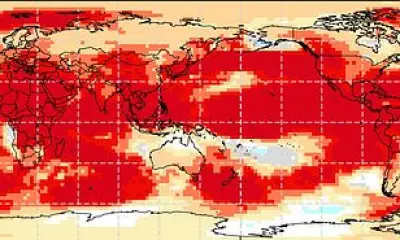
What made Melissa particularly alarming to meteorologists wasn't just its intensity, but the unprecedented marine heatwave that fed its destructive energy. The Atlantic Ocean provided a veritable super-fuel for the hurricane, with water temperatures reaching levels that scientists describe as "off the charts" for this time of year.
From Tropical Storm to Monster Hurricane
The transformation of Melissa from a moderate tropical storm into a category-threatening hurricane occurred with startling speed, a phenomenon meteorologists call rapid intensification. This process, increasingly common in warming oceans, saw the storm's wind speeds increase by an astonishing 65 mph in just 24 hours.

The Science Behind the Super-Storm
Climate researchers point to several key factors that created the conditions for Melissa's formation:
- Record ocean heat providing abundant energy and moisture
- Reduced wind shear allowing the storm to maintain its structure
- Atmospheric conditions that favoured rapid organisation and strengthening
Dr Elena Rodriguez, lead climate scientist at the National Oceanic and Atmospheric Administration, stated: "We're witnessing a fundamental shift in how hurricanes behave. The ocean heat content available to storms like Melissa is unlike anything we've seen in historical records."
A Warning Sign for Coastal Communities
The implications extend far beyond Melissa's immediate path. Coastal regions worldwide now face the prospect of more frequent and intense hurricanes as ocean temperatures continue their relentless climb. Emergency response planners are being forced to reconsider evacuation protocols and building codes in vulnerable areas.
The Human Cost of Warming Waters
While Melissa fortunately avoided direct hits on major population centres, the close call has sparked urgent conversations about climate preparedness. Insurance companies are already recalculating risk models for coastal properties, and governments are facing pressure to accelerate climate adaptation measures.
What Comes Next?
Scientists warn that Melissa represents a new normal rather than an anomaly. As ocean temperatures continue to break records season after season, the potential for even more powerful storms grows. The message from climate experts is clear: Hurricane Melissa is not just another storm—it's a preview of our climate future.
The question now facing communities, governments, and emergency services is not if another Melissa-level event will occur, but when—and whether we'll be prepared for what might be an even stronger storm next time.