National Trust Triumphs in Campaign to Protect Cerne Abbas Giant Landscape
In a remarkable conservation victory, the National Trust has successfully completed a fundraising appeal to acquire the land surrounding Dorset's iconic Cerne Abbas Giant. The campaign reached its financial target in just 60 days, securing the future of this historic landscape for generations to come.
International Support Drives Rapid Fundraising Success
The charity confirmed that donations ranging from £1 to £32,000 poured in from supporters across 20 different countries, including Australia, Japan, and Ireland. This global response contributed to the £330,000 raised specifically through the appeal, which forms part of the overall £2 million required to purchase the 138-hectare area known as Giant's Lair.
The campaign received significant backing from actor and writer Sir Stephen Fry, whose support helped raise the profile of the conservation effort. His involvement brought national attention to the importance of preserving this unique piece of British heritage.

Creating a Mosaic of Habitats for Wildlife
Hannah Jefferson, general manager for West Dorset & Cranborne Chase, expressed her excitement about the acquisition. "Entering 2026, it's amazing that we now have this opportunity to do so much more around the Cerne Abbas Giant," she said.
"We were able to hit the target thanks to the generous donations made via the appeal, gifts from major donors, legacies, support from local businesses as well as grants, all knitting together to make this once-in-a-lifetime acquisition possible."
The purchased land includes Giant Hill, which is designated as a Site of Special Scientific Interest and is home to an impressive 36 butterfly species. The National Trust now plans to restore sections of chalk grassland, plant new woodland, and create what Jefferson describes as "a patchwork or mosaic of habitats to help species adapt and thrive."
Archaeological Opportunities and Community Involvement
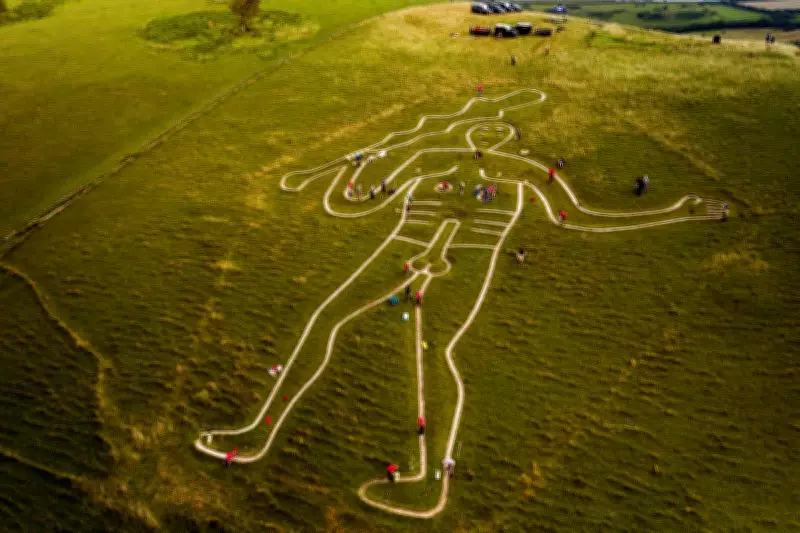
The land acquisition opens up exciting possibilities for archaeological research. Building on analysis conducted in 2021 that dated the Giant's creation to the Early Medieval period (770–1100 AD), archaeologists will now have unprecedented access to study the landscape.
Archaeologist Steve Timms explained: "The acquisition will provide an opportunity for archaeological research and investigation on a landscape scale. This will not only help us manage the land in the most appropriate way but also answer questions about the development of settlement and ritual activity over the area over several millennia."
Work has already begun to recruit a local area ranger who will lead National Trust staff, contractors, and volunteers in implementing conservation plans. The team will collaborate with organisations including Butterfly Conservation to maximise the ecological benefits of their work.
Practical Conservation and Public Engagement
In a unique public engagement opportunity, ten appeal donors who won a special prize draw will participate in re-chalking the Giant itself in early summer. These fortunate supporters will join staff and volunteers in packing approximately 17 tonnes of chalk into the Giant's vast outline, ensuring it remains visible for miles around for years to come.
Ms Jefferson added: "Now that the land is in our care, we'll be getting to know the site and its opportunities, talking to the community about their aspirations and local knowledge, and applying for any relevant, additional grants to help us invest further in nature."
This successful campaign represents a significant achievement in British heritage conservation, ensuring that one of the country's most distinctive landmarks and its surrounding ecosystem receive the protection they deserve for future generations to enjoy and study.