Spain's environment minister has taken the extraordinary step of writing to state prosecutors to alert them to what she describes as an "alarming increase" in hate speech and online abuse directed at climate scientists and meteorologists.
Minister Sounds Alarm on Hostile Digital Climate
In a formal letter sent to hate crimes prosecutors on Wednesday, Environment Minister Sara Aagesen, who also serves as a deputy prime minister, highlighted a series of recent reports showing a sharp rise in hostile language against climate experts on digital platforms. The minister stated that this trend poses a direct threat to the public's access to verified scientific information.
One study cited by the minister found that a significant 17.6% of hostile messages posted on the social media platform X contained hate speech, personal attacks, or attempts to denigrate professionals dedicated to sharing accurate climate science. The research indicated a worrying surge in the intensity, frequency, and violence of these attacks.

Impact on Science and Public Perception
Aagesen emphasised the "socially important role" these professionals play in combating climate disinformation. Separate research into attacks on Spain's state meteorological office, Aemet, revealed that such campaigns affect public perceptions of meteorology and can have a chilling effect on scientific work itself.
"Social pressure and smear campaigns can discourage scientists from interacting with the public or even communicating their research openly," the researchers warned. This, they argued, can limit scientific advancement and restrict access to high-quality information for the public.
The spread of conspiracy theories about weather manipulation and climate control was noted as a particular problem, directly undermining the public's understanding of the current climate emergency. Denial that extreme weather events are linked to global warming often finds support in these theories, hampering global mitigation efforts.
A Personal Toll on Professionals
The human impact of this online vitriol was made clear by Rubén del Campo, a spokesperson for Aemet. Speaking to El País, he admitted that despite expecting a level of public exposure in his role, the attacks are deeply personal. "When you see messages attacking you and using your photo – often for made-up stuff you’ve never said – you feel bad," he said.
Another 2024 study underscored the scale of the issue on platform X, identifying climate emergency denialism in 49.1% of posts analysed, with climate-related hate speech present in 17.6%.
The minister concluded her letter by assuring prosecutors that her ministry stands ready to assist them in any way deemed appropriate. The social media platform X was approached for comment on the matter.
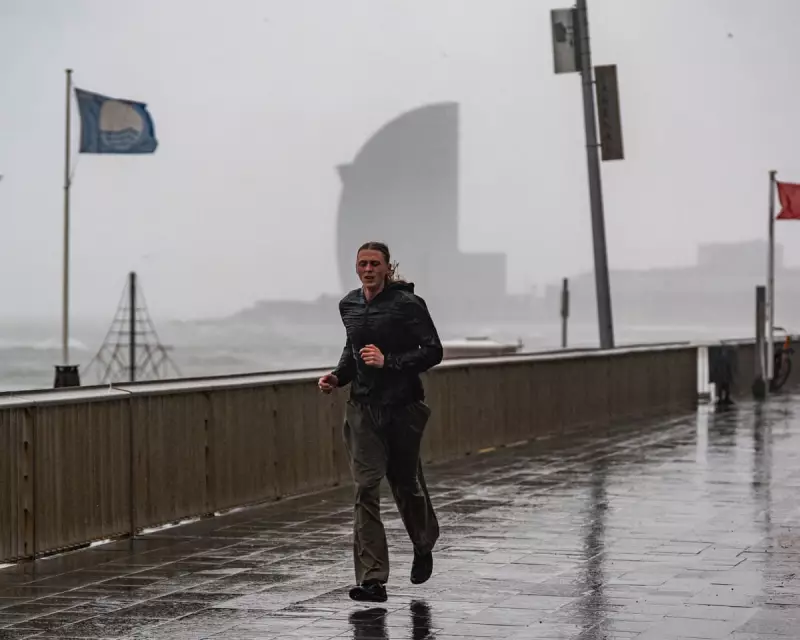
The warning comes after Spain experienced some of its coldest and rainiest final days of the year in recent decades at the close of 2025, highlighting the very extreme weather events that climate communicators strive to explain to the public.