Super El Niño Threatens Australia with Century's Hottest, Driest Summer
Super El Niño Threatens Australia's Hottest Summer

Australia Braces for Century's Most Powerful El Niño Event

The Bureau of Meteorology has issued a stark warning: millions of Australians are set to endure an even hotter and drier summer than usual, driven by a rare 'super' El Niño climate pattern currently developing in the Pacific Ocean. This follows the official conclusion of the 2025-26 La Niña period, with forecasters now predicting a rapid shift to its opposite, more dangerous phase.

Understanding the Climate Shift

El Niño and La Niña represent opposing phases of the El Niño-Southern Oscillation (ENSO) cycle, a natural phenomenon that influences global weather patterns every three to seven years. The recently ended La Niña was characterised by cooler Pacific waters and stronger trade winds, which brought above-average rainfall to Australia. In stark contrast, the impending El Niño event consists of warmer Pacific waters and weaker trade winds, leading directly to drier conditions across the continent.

Forecasters have identified a super El Niño pattern brewing as warmer-than-average water accumulates in the central and eastern tropical Pacific. Experts suggest this could be the most powerful El Niño event witnessed in a century, with profound implications for Australia's climate and safety.

Wide Pickt banner — collaborative shopping lists app for Telegram, phone mockup with grocery list

Projected Impacts and Heightened Risks

The Bureau's long-range forecast for May to July 2026 indicates rainfall is likely to be below average for eastern and south-western Australia. Conversely, above-average rainfall is expected across western and central Western Australia, as well as parts of Queensland's Cape York Peninsula east coast.

This super El Niño is anticipated to develop in late winter or early spring, with its severe impacts felt nationwide well into 2027. Key consequences include:

  • A major reduction in rainfall across eastern and northern Australia, potentially shortening the snow season for New South Wales ski resorts.
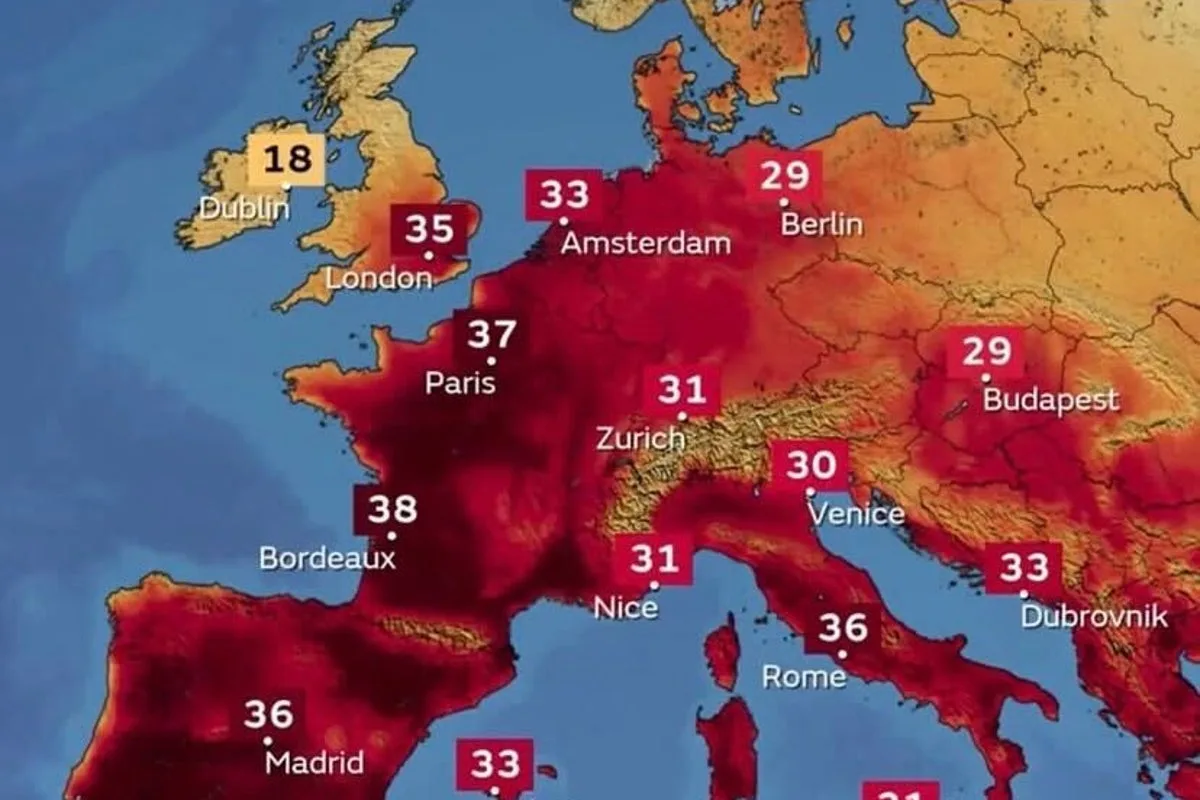
  • Increased frequency of heatwaves and temperatures exceeding 40°C on the east coast, particularly in Sydney.
  • A heightened risk of severe drought and catastrophic bushfires, reminiscent of the Black Summer fires of 2018-19 which caused extensive property damage and numerous fatalities.
  • A delayed monsoon season in the tropics, likely resulting in fewer tropical cyclones.

Historical Context and Public Concern

Since 1950, the Niño 3.4 index—the metric defining ENSO conditions—has surpassed +2°C for at least three months on only three occasions: 1982, 1997, and 2015. Each event correlated with extreme weather:

  1. The 1982 El Niño contributed to one of the driest winters on record, followed by the hottest summer at that time, culminating in the tragic Ash Wednesday bushfires that claimed 75 lives in Victoria and South Australia.
  2. The 1997 super El Niño produced the then-hottest summer on record.
  3. The 2015 event saw the hottest October to December period ever recorded.

Public reaction to the latest forecast has been mixed. "Gosh, I hope we don't have drought," one concerned citizen remarked, while another lamented, "Not again." However, some Australians expressed scepticism regarding meteorological predictions. "They can't even predict the weather for 24 hours," one person wrote, with another speculating, "I bet it'll be cool and wet, then two weeks of unbearable heat, and that's about it, you watch."

Broader Climate and Economic Pressures

El Niño events typically persist for nine to twelve months, unlike La Niña phases which can linger for up to three years. The UK-based climate website Carbon Brief predicts that 2026 will be the second-warmest year on record globally, with a 19 per cent chance of surpassing 2024 as the warmest ever.

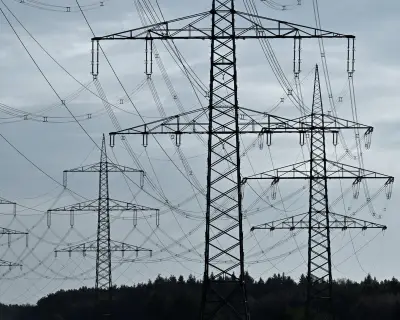
For Australian households, the practical implications are severe. Increased reliance on air conditioning from November onwards will place additional strain on already stretched finances. Power bills are projected to rise significantly in 2026, with forecasts indicating a potential 24 per cent increase for many households—adding approximately $500 annually to living costs.

Pickt after-article banner — collaborative shopping lists app with family illustration

As the nation confronts this looming climate crisis, the critical question remains: how should Australia prepare for hotter summers, escalating bushfire threats, and rising energy bills exacerbated by extreme El Niño events? The coming months will test both national resilience and infrastructure readiness.