Nestled on Australia's Gold Coast, a unique community is celebrating two decades of a radical experiment in living. The Currumbin Ecovillage, a 110-hectare (272-acre) site, has forged a path where human habitation actively supports, rather than harms, the natural world. Its most notable rule? A ban on domestic cats and dogs to protect the native fauna that now thrives there.
The Price of a Wildlife Sanctuary
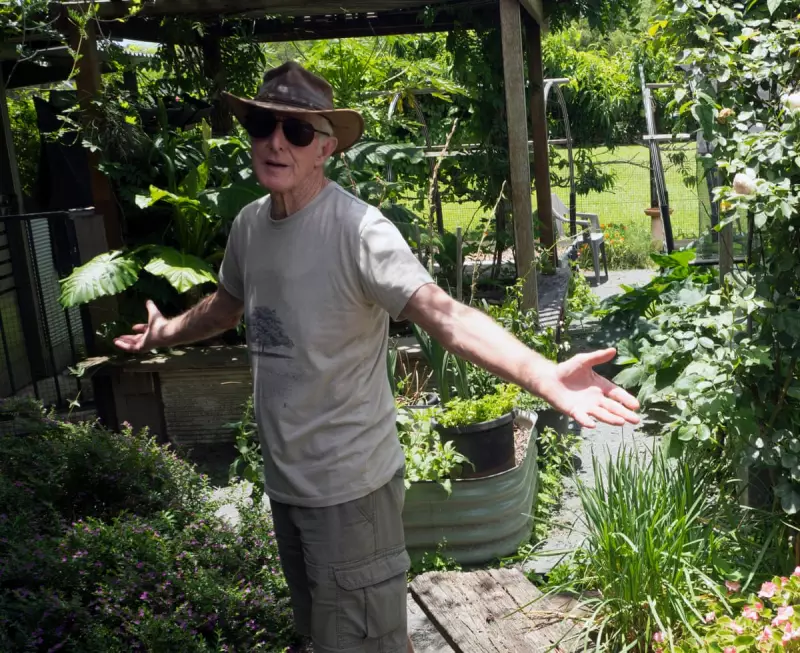
For resident Bill Smart, a 77-year-old retired mechanical engineer, the absence of canine companionship is a conscious sacrifice. "We miss having a dog but that's the price we're prepared to pay," he admits. The community was conceived as a wildlife sanctuary and corridor, and the presence of predatory pets was deemed incompatible with that core goal. While certified service animals are an exception, the rule is firmly upheld, even for visitors to the village cafe.
The result of this and other environmental commitments is a remarkable resurgence of native species. The site of a former dairy farm now hosts mobs of wallabies and kangaroos that wander freely. It is also home to koalas, echidnas, platypuses, bandicoots, and a rich array of birds, frogs, and snakes. Some residents keep chickens, goats, or pigs, but the primary focus is on creating a safe haven for indigenous wildlife.

A Solarpunk Vision Made Real
When presented with the definition of 'solarpunk'—an optimistic movement envisioning a sustainable future intertwined with nature and community—Smart enthusiastically identified with the term. "That's us!" he exclaimed. This ethos is baked into the village's infrastructure. Initially, homes had to meet strict standards for orientation, design, and use of recycled materials, while generating their own power via solar panels and collecting their own water.
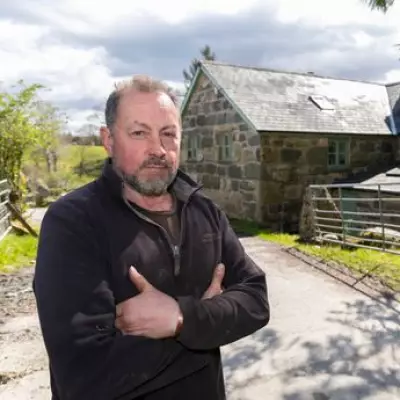
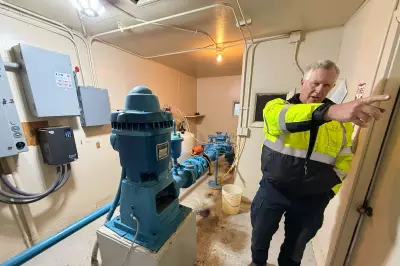
Although later developments relaxed some original building codes after the first developer's collapse in the 2008 financial crisis, the commitment to sustainable living remains strong. The community recently collaborated to replace its A$2 million wastewater treatment plant, ensuring ongoing water re-use and self-reliance. Future projects like a solar farm and community batteries are under consideration.
The Fabric of an Intentional Community
Currumbin is what's known as an intentional community, a modern evolution of the collective living models pioneered by hippy communes in the 1970s. Town planner Rob Doolan, who has worked with over 120 such communities, notes their strength lies in shared resources and management structures, allowing them to achieve sustainability goals that might overwhelm individuals.
The village is home to a diverse mix of about 500 people, from retirees and young families to journalists, Buddhist monks, and composers. This diversity requires robust communication and decision-making frameworks, a challenge Smart acknowledges is part of any human endeavour. The payoff is a profound sense of connection. Residents share skills, run community gardens donating produce to charity, and rally around new parents with meals for weeks.
As Smart reflects on the community's 20th anniversary, his conclusion is heartfelt: "It's not about the structures, it's about the people." In Currumbin Ecovillage, the people have chosen a collective path that prioritises the planet and its wild inhabitants, proving that a sustainable, community-focused future is not just a literary concept, but a living reality.