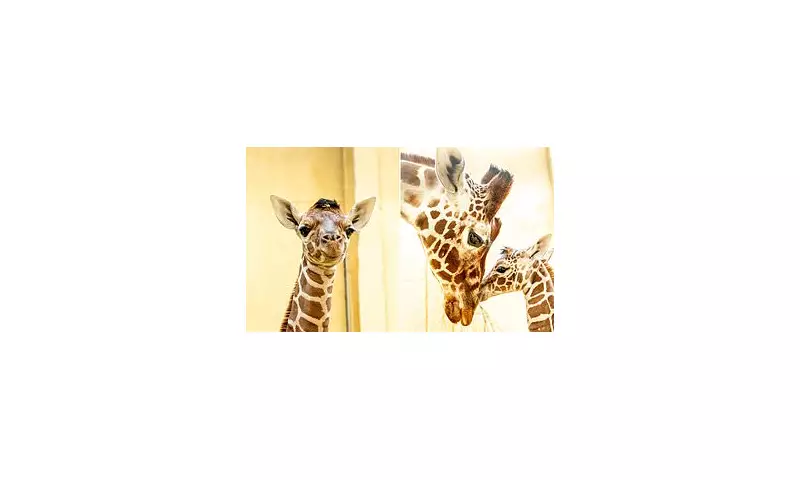
A conservation zoo in the UK is marking a major victory for wildlife preservation with the arrival of a new endangered giraffe. The male calf, born just weeks after his half-sister, represents a significant step forward for international efforts to safeguard the species.
A Festive Double Celebration for the Giraffe Herd
The newborn arrived at 11:30am on Sunday 21 December to mother Ijuma, following a 15-month gestation period. His birth comes merely a month after fellow giraffe Luna gave birth to a female calf named Leoni on the same site. The yet-to-be-named new arrival spent his first week bonding indoors with Ijuma and is expected to take his first steps outside in the coming days.
Staff at the zoo have been delighted by the rapid growth of the new calf, who is already standing at an impressive six feet tall. "It's been comical watching him get used to his gangly legs," said Mark Holden, section manager of large hoofstock at Whipsnade Zoo. "His half-sister, Leoni, wasn’t quite sure what to make of the new arrival, but we’re sure she won’t mind sharing the spotlight this festive season."

A Crucial Boost for Giraffe Conservation
This latest birth increases the zoo's giraffe herd to six individuals. The baby boy joins not only Leoni but also teenage siblings Myra and Timba, who were both born in the summer of 2024. Each birth is critically important for the international conservation breeding programme, which aims to maintain a genetically healthy insurance population for the species.
"With conservation zoos like Whipsnade helping to create a genetically viable insurance population of giraffes, all four calves are a poignant reminder of the important legacy left by dad," added Mr Holden. The zoo team monitored Ijuma closely throughout her labour and reported that the birth proceeded smoothly, leaving both mother and calf happy and healthy.
The Precarious Status of Giraffes in the Wild
The International Union for Conservation of Nature (IUCN) currently lists giraffes overall as 'vulnerable' on its Red List of threatened species. However, the situation is more dire for specific types. The reticulated giraffe, the kind born at Whipsnade, is classified as 'endangered', facing a high risk of extinction in the wild.
Recent scientific understanding has evolved, now recognising four distinct species of giraffe instead of multiple subspecies. These are:
- The northern giraffe
- The Masai giraffe
- The southern giraffe
- The reticulated giraffe
According to conservationists at Whipsnade Zoo, the primary drivers of the giraffe's decline are illegal poaching, habitat loss, and human-wildlife conflict across parts of Africa. Each successful birth in a managed conservation programme therefore offers a beacon of hope for the future of these majestic animals.