Judi Dench Champions London's Green Spaces Amid Development Threats
Dame Judi Dench, the acclaimed Oscar-winning actor, has issued a passionate plea for the protection of London's parks and green spaces, warning that action must be taken "before it's too late." Her call to arms comes as new research highlights the alarming vulnerability of the city's public land to private development.
A Personal Connection to Nature
Dench's advocacy is deeply rooted in a lifelong love for trees and nature. In 2017, she fronted a BBC documentary exploring her botanical passions, and she maintains a poignant tradition of planting a tree to commemorate the passing of close friends and relatives. This includes memorials for her late husband, Michael Williams, actor Natasha Richardson, and her brother Jeffery Dench.
"I think of my trees as part of my extended family," Dench has reflected. "It's something living that goes on. You don't remember them and stop; you remember them and the memory goes on and gets more wonderful." This personal philosophy now fuels her public campaign to defend London's shared green heritage.

The Scale of the Threat
New research conducted by CPRE London has identified a significant number of green spaces under imminent threat. The findings reveal that at least nine parks, eight playing fields, and eight nature reserves across the capital are at risk from development proposals.
Notable sites in jeopardy include:
- Whitewebbs Park in Enfield
- Wimbledon Park
- Green Dale Fields in Southwark
While campaigning efforts saved six green spaces last year, such as the pitches at Finsbury Leisure Centre in Islington, seven others were lost, including the Crossness nature reserve in Bexley. This underscores the ongoing and precarious battle for London's greenery.
High-Profile Battles and Policy Failures
The situation at Whitewebbs Park in Enfield has become a focal point of concern. The local council has agreed to lease part of the park to Tottenham Hotspur Football Club, a move that has sparked significant local opposition. The controversy was compounded last year when contractors felled an ancient oak tree within the park, causing public dismay.
Dench has been vocal about this specific case, stating, "Staggeringly, 10% of public land in Britain has been lost since 1979. Whitewebbs Park in Enfield is one of the public parks currently under threat. There, a 450-year-old oak tree was brutally butchered and Spurs' plans to develop the park involve cutting down 207 trees, including veteran and mature trees, and taking over most of the park for their elite private use."
In response, a local campaign group, which Dench supports, has initiated a judicial review to challenge Enfield Council's decision.
Similarly, a long-running dispute continues over plans by the All England Lawn Tennis Club to construct a new stadium, 10 private buildings, and 38 tennis courts on a previously public area of Wimbledon Park.
Broader Policy Concerns and Campaigner Warnings
Countryside campaigners have levelled sharp criticism at the government for its planning policies. They argue that new plans allowing development on the green belt, coupled with the introduction of a "grey belt" policy, are categorising protected land as suitable for housing and infrastructure, thereby weakening long-standing safeguards.
Alice Roberts, Head of Campaigns at CPRE London, outlined two major challenges: "In the past two years, we've faced two new challenges. Almost unbelievably, a legal judgment confirmed that councils have unfettered powers to sell parks. Elsewhere, parks are being turned into commercial event spaces. If you think London's parks are protected, think again."
She continued, "Second, the UK government has caved in to lobbying to remove green belt protection, introducing a 'grey belt' policy enabling landowners to cash in on protected countryside land they bought cheaply years ago, despite wide-scale availability of brownfield land in London, including a staggering 300,000 homes with planning permission unbuilt."

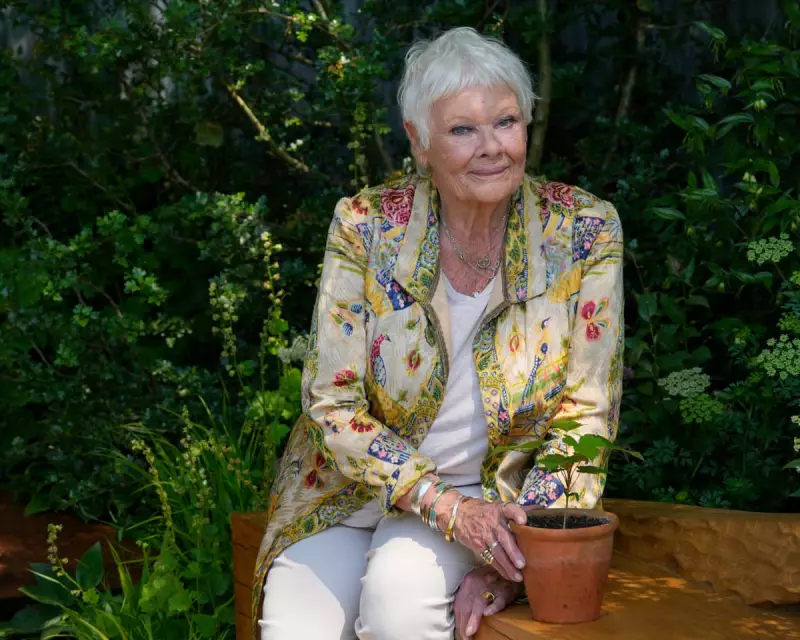
Dench's intervention adds a powerful voice to this critical issue. "It is clear to me that it is more important than ever to protect our parks and green spaces before it's too late," she asserted, holding a seedling from the famous Sycamore Gap tree as a symbol of hope and regeneration. Her stance highlights the urgent need for robust legal protections and public vigilance to preserve London's vital green lungs for future generations.